What types of guides are available on Myth and Memory?
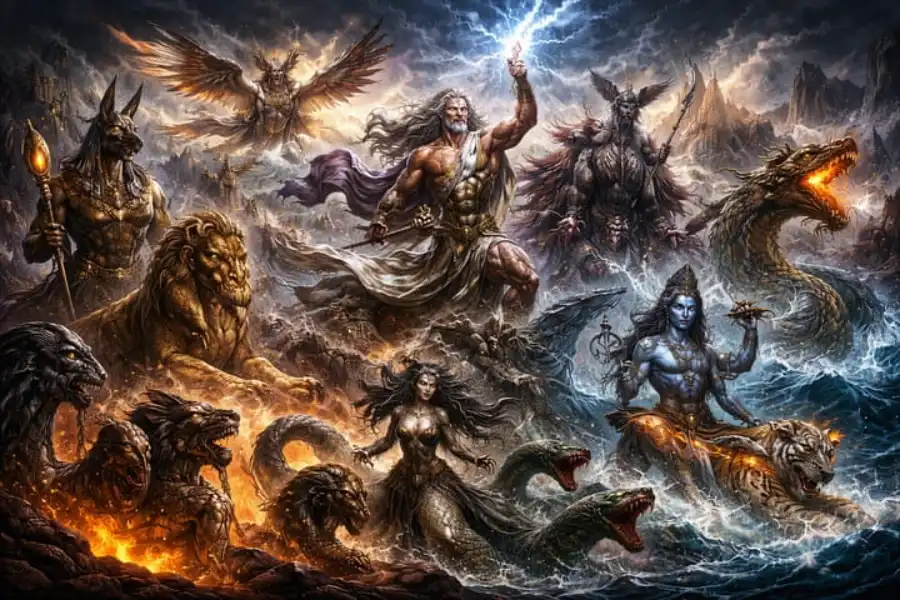
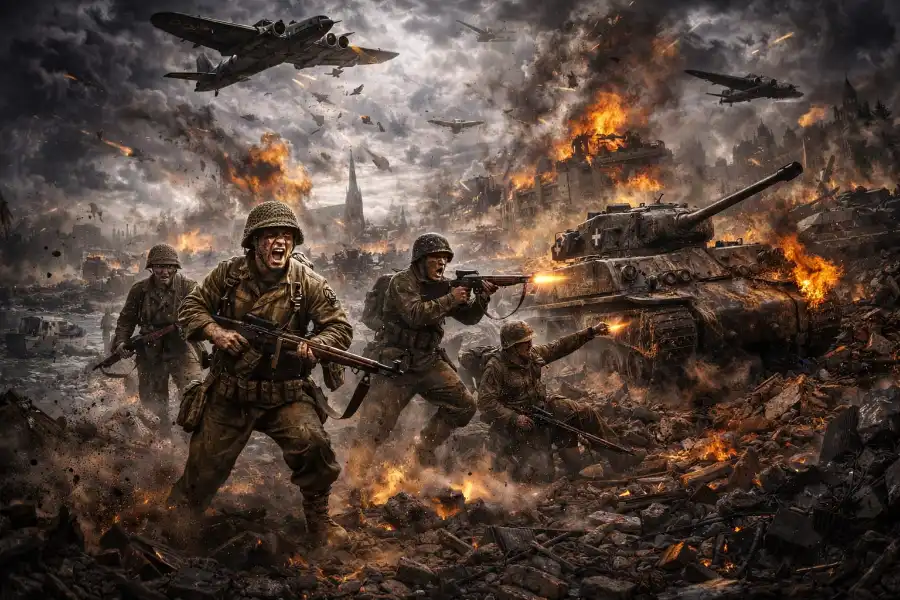
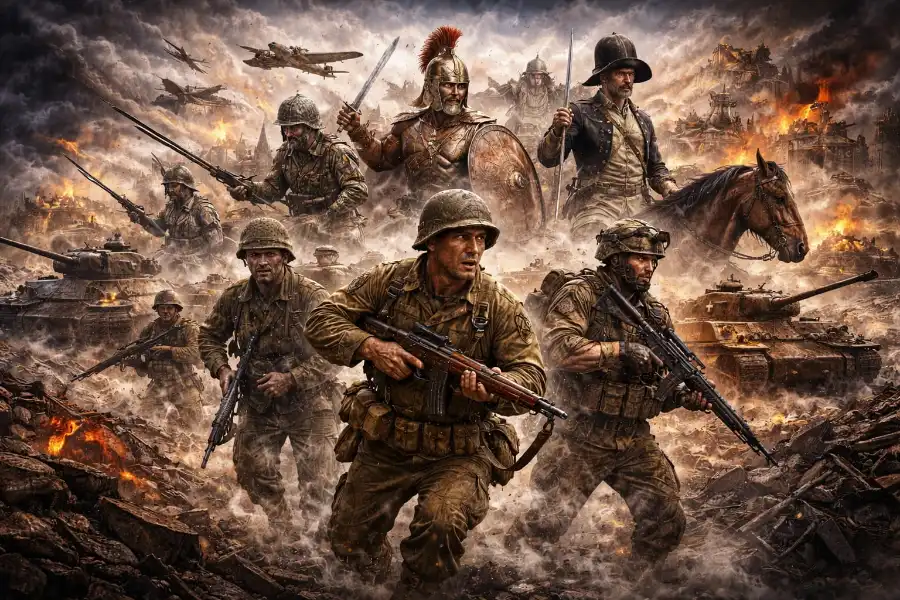
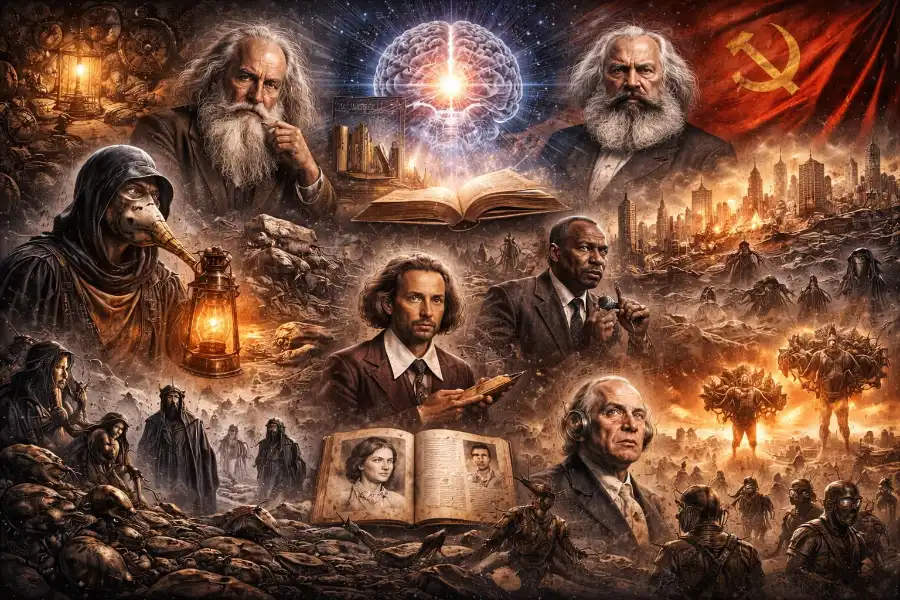
Myth and Memory offers comprehensive guides covering mythology (Greek, Roman, Norse, Egyptian, Celtic gods, heroes, and creatures), military history (famous battles, great generals, elite warriors, warfare strategies), World War II (major battles, weapons, key figures, global impact), and historical analysis (economic systems like capitalism vs communism, influential thinkers like Nikola Tesla, science-based speculative scenarios). Each guide provides in-depth research, historical context, and analysis designed to educate. Content is accessible yet historically accurate, going beyond surface summaries to provide genuine understanding of complex topics.
How can I search for specific topics on this site?
Use the search function on the Guides page to search by keywords like 'Sparta,' 'WW2 weapons,' or 'Napoleon.' Browse category pages organized by Mythology, Military History, World War II, and Ideas/Ideologies to view all articles in that theme. Check related articles sections at the bottom of guides for connected topics. The navigation menu provides quick category access. For best results, use specific keywords and try synonyms if needed.
Are these guides suitable for students and academic research?
These guides are excellent for general education and personal learning—suitable for high school students, curious adults, and history enthusiasts seeking comprehensive overviews beyond surface summaries. For academic research, they serve as valuable starting points providing background context, but students should treat them as secondary sources and consult primary sources and peer-reviewed journals for formal papers. Reference links point to additional scholarly resources. Use these guides for understanding topics, then conduct additional research for academic work.
How accurate is the historical information on this site?
Articles are carefully researched using multiple historical sources, academic texts, and established scholarship. Content is originally written with cross-referenced information ensuring accuracy. The site acknowledges it's not an academic publication—where historians disagree, articles present different perspectives rather than single narratives. Reference links to authoritative sources allow verification. For casual learning, this provides reliable information; for critical academic work, use as starting points and consult scholarly sources directly.
Will more guides be added in the future?
Yes, new guides are added regularly. Expansion focuses on underexplored mythologies (Hindu, Chinese, Mesopotamian, Aztec, African), additional military history content (battles, campaigns, innovations), more World War II coverage, and further ideas/ideologies exploration (influential thinkers, political movements). Some articles receive updates with new scholarship. Content prioritizes quality over quantity—each article requires substantial research and writing. Check homepage or category pages for recently added content. The mission remains providing thoughtful, well-researched historical content.
What makes Myth and Memory different from other history websites?
Original, human-written content: Every article is researched and written by a real person, not AI-generated. Comprehensive depth: Articles provide in-depth exploration explaining what happened, why it mattered, and lessons drawn—not brief summaries. Multiple perspectives: Presents different interpretations where historians disagree. Accessible expertise: Balances accessibility with depth for serious enthusiasts. Curated focus: Explores mythology, military history, World War II, and influential ideas thoroughly rather than covering everything superficially. No paywalls: All content freely accessible. Personal passion creates engaging, educational narratives.