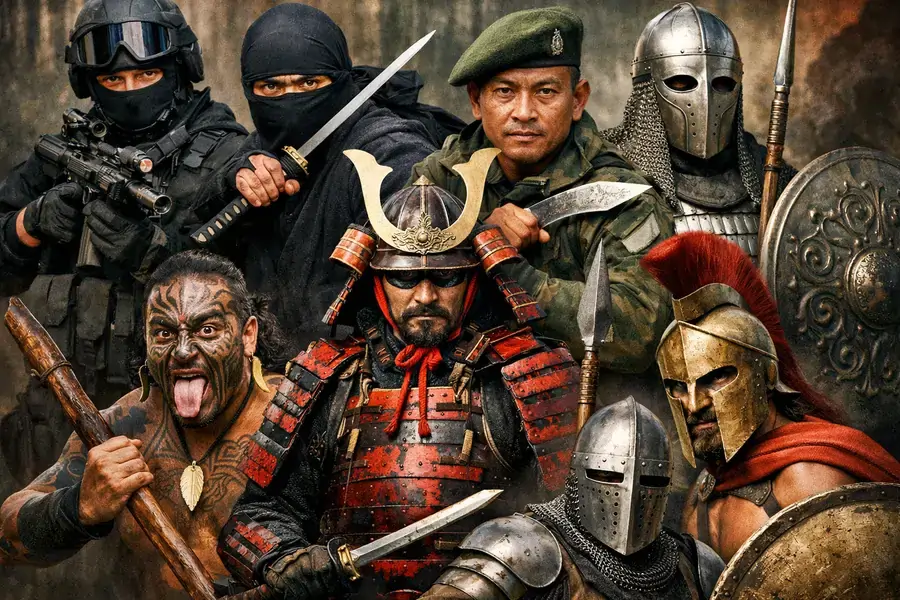
Who were the greatest warrior groups in history, and what made them so formidable? From ancient elite warrior societies to modern special forces, these legendary warriors shaped the course of human civilization through unmatched discipline, tactical brilliance, and battlefield dominance. This comprehensive guide explores the fiercest warriors in history—including the unstoppable Mongol warriors, legendary Spartan soldiers, honor-bound samurai warriors, and elite modern commandos. Discover how these elite warrior societies trained, fought, and created military legacies that continue to inspire armies worldwide. Understanding special forces history and ancient warrior cultures reveals the evolution of warfare, military tactics, and the warrior ethos that defined entire civilizations.
Greatest Warrior Groups in History: Elite Fighting Forces
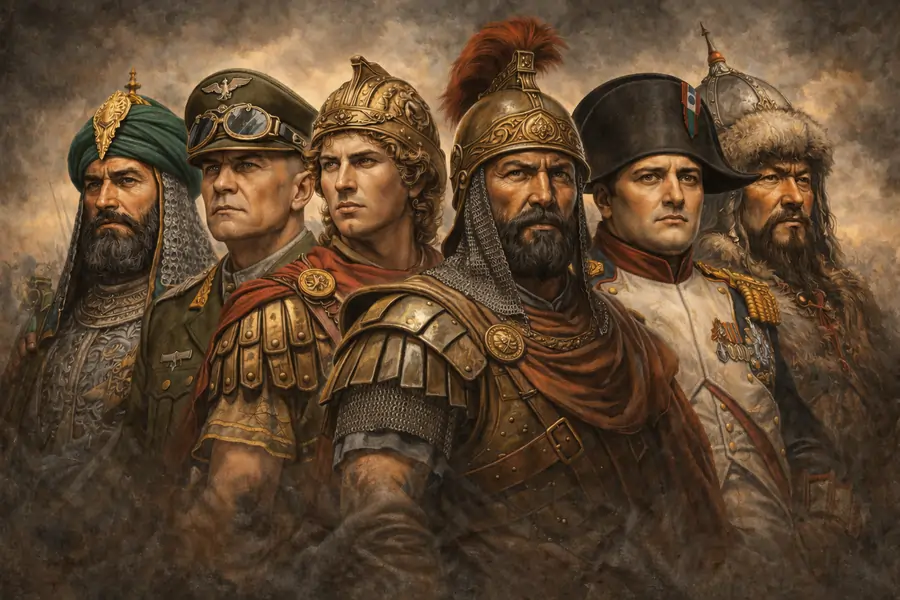
Throughout human history, certain elite warrior societies have distinguished themselves as the fiercest warriors in history. These legendary warriors were feared by their enemies and respected by their allies. They represent the pinnacle of military excellence across different eras and cultures.
The mere presence of these greatest warrior groups in history on the battlefield had a major impact on troops' morale. Read on to discover the top 10 most formidable warrior groups that shaped military history.
Top 10 Fiercest Warriors in History
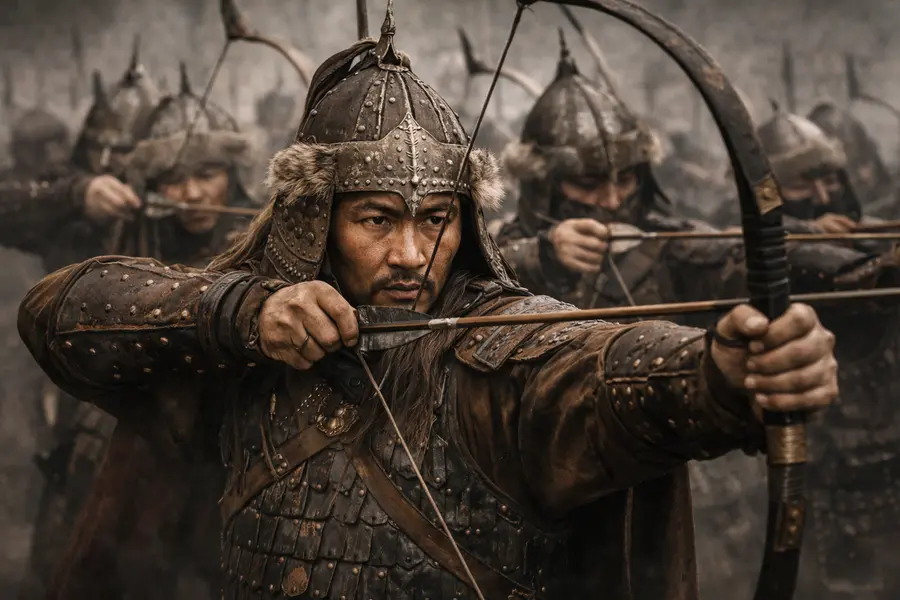
1. Mongol Warriors: The Unstoppable Horse Archers (1206-1687 AD)
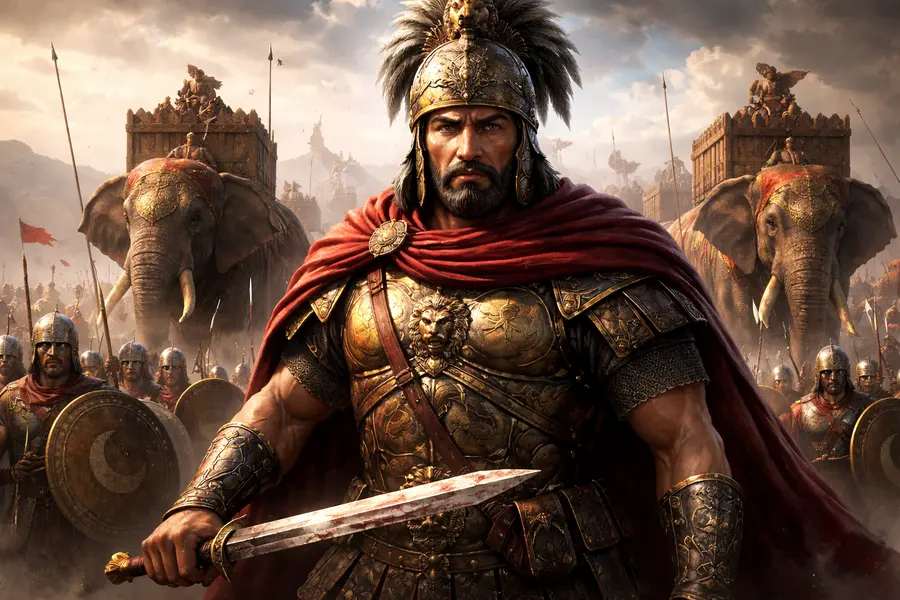
The Mongol warriors under Genghis Khan created the largest contiguous land empire in history, stretching across Asia and into Europe. These legendary warriors were ruthless and showed no mercy to their opponents. Military service was compulsory for all boys over the age of 15.
The heart of the army was the horse archers who employed hit-and-run tactics with ruthless efficiency. For a medieval knight bound by the code of chivalry, this was an act of cowardice. However, it was an efficient method to mow down enemies weighed down by armor.
The Mongol horse archers used a short composite bow made of animal horn, wood, and sinew for the bow drawstring. Their small size was ideal for use on horseback. It was also more powerful than the English longbow (despite its small size). Mongol horsemen were trained to shoot even while retreating. Their exceptional skill was what helped them expand their empire in every direction.
It is a common misconception that the Mongol 'hordes' outnumbered their foes. As it turns out, the Mongols were outnumbered in most of their famous victories. Enveloping maneuvers on the battlefield created the false impression of a larger army. They also placed dummies mounted atop horses to form a notion of innumerable soldiers. They were also ruthless in dealing with their enemies. The lands of their enemies were sown with salt, and enemy chiefs were killed by pouring molten silver into their eyes and ears.
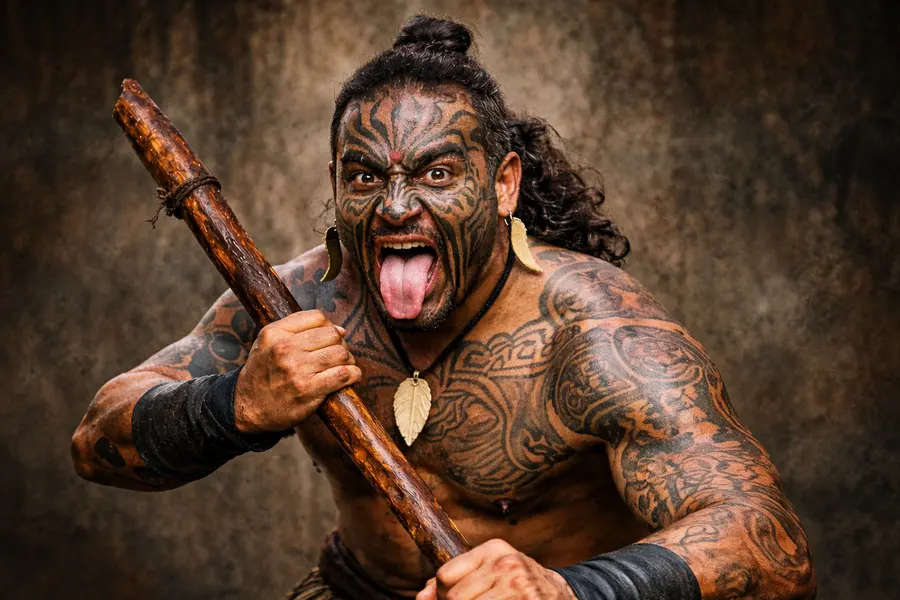
2. Maori Warriors: Fearsome Indigenous Fighters of New Zealand (1280-1872 AD)
The Maori are an indigenous people of New Zealand. Since the Maori were isolated from the rest of the world, they developed a unique warrior culture. They have their own language and mythology.
The Maori warriors were large and fearsome, with tattoos all over their bodies. They usually attacked in groups that numbered less than a hundred warriors (called a 'hapu'). The usual battle tactic was to ambush the enemy and use the element of surprise.
They were also known for their war dance (called the 'Haka'), which was done to intimidate enemies. The most common weapon for Maori warriors was the club, which was used to crack open skulls.
The Maori warriors also practiced cannibalism in order to humiliate their enemies. It was also a common practice for the Maori to keep the heads of their fallen enemies as trophies. The brain and eyes would be removed and steamed in an oven. One missionary is said to have watched a chieftain say the following words to the head of an enemy chieftain:
You wanted to run away, didn't you? But my greenstone club overtook you! And after you were cooked you were made food for me!
And where is your father? He is cooked.
And where is your brother? He is eaten.
And where is your wife? There she sits; a wife for me.
And where are your children? There they are, loads on their backs carrying food as my slaves.
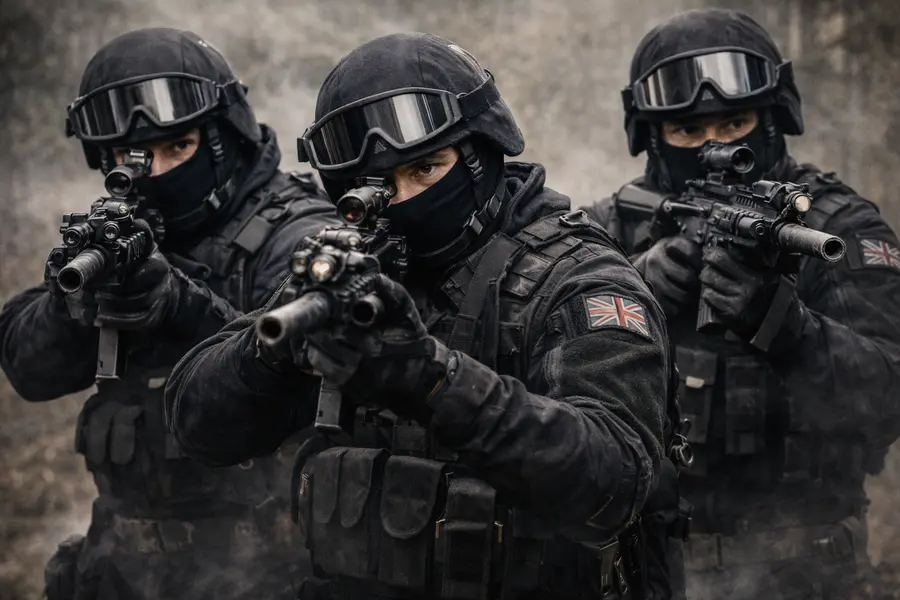
3. British SAS: Elite Special Forces That Defined Modern Warfare (1941-Present)
The Special Air Service, or SAS, is a special forces unit of the British Army founded in 1941 that revolutionized special forces history. All other elite special forces units from around the world are based on the SAS model. All other special forces units from around the world are based on the SAS. During WWII, it was created as a commando unit to deceive Axis forces behind enemy lines. After the war, the SAS participated in various anti-terrorist operations.
The SAS recruits only the strongest. The selection process is one of the toughest in the world. In 1980, the SAS gained worldwide fame after their televised rescue of hostages being held in an Iranian embassy. The motto of the SAS unit is, "Who Dares Wins."
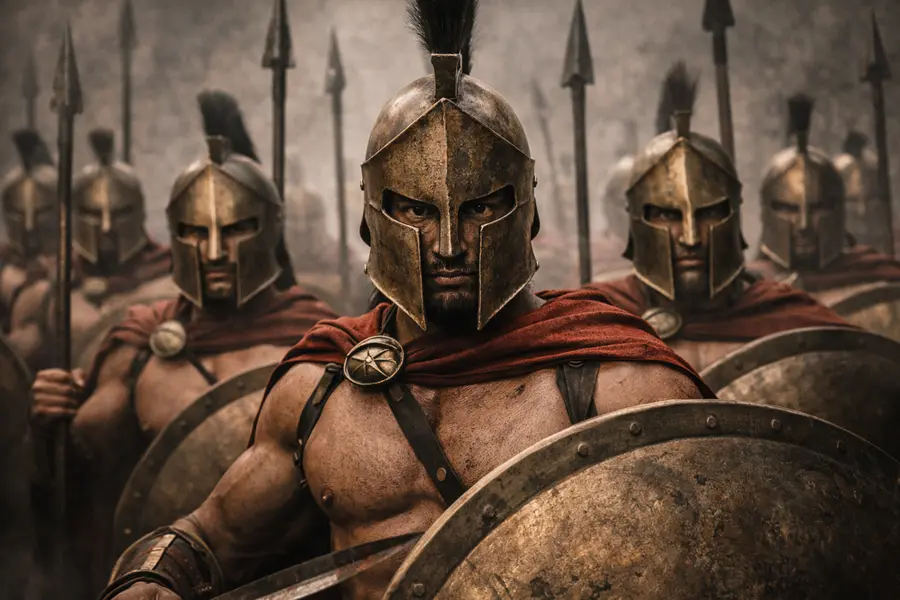
4. Spartan Soldiers: Greece's Legendary Elite Warrior Society (6th-4th Century BC)
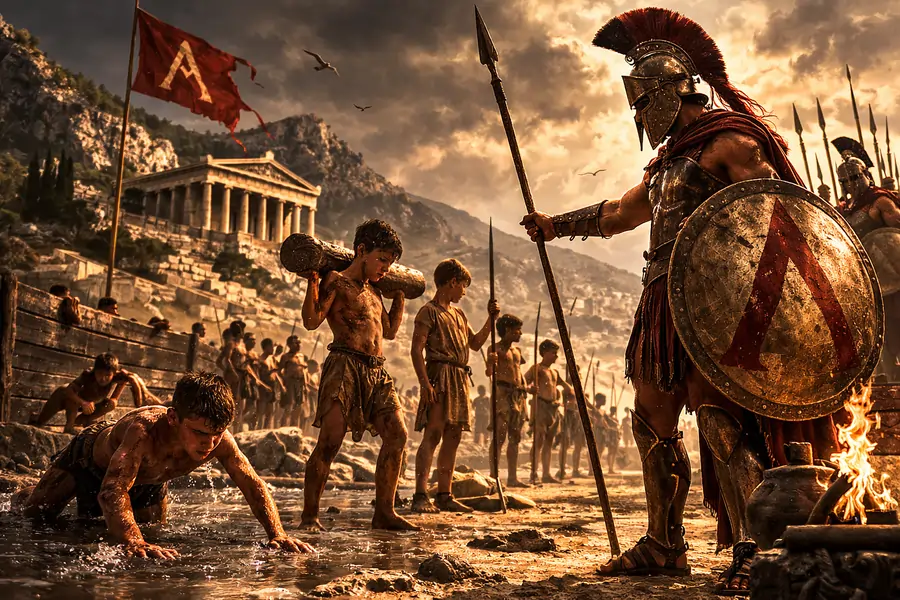
Sparta was a prominent warrior city-state in ancient Greece that created one of history's most elite warrior societies. By 650 BC, Spartan soldiers had become the dominant military power in the region. By 650 BC, it had become the dominant military power in the region. Only the strongest were considered worthy of Sparta. Babies who were weak or showed signs of deformity were left on Mt. Taygetus to die.
To attain full citizenship, each Spartan was required to undergo rigorous training known as 'agoge'. The word Spartan became synonymous with fearlessness and military prowess.
The Spartans never surrendered, as they preferred fighting to the death. During the battle of Thermopylae, they held off the Persians for three days before dying. It was a common belief in ancient Greece that one Spartan soldier was worth several from any other Greek city-state. Spartans had a large bronze shield, a spear, and a small thrusting sword, which allowed them to move in a phalanx formation.
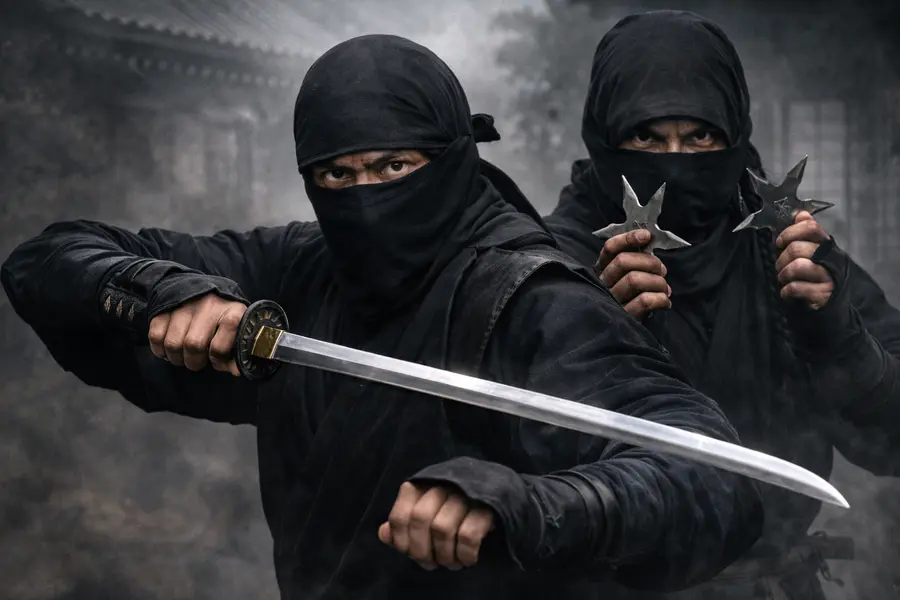
5. Ninjas: Master Spies and Shadow Warriors of Feudal Japan (12th Century-1868 AD)
A ninja or shinobi was a spy or mercenary from feudal Japan. Unlike samurais, who followed the code of honor and combat, ninjas were not bound by any rules. They specialized in espionage, sabotage, and infiltration, which were considered dishonorable by the samurai.
Ninjas were active in the Iga province of Japan. From here, they were commonly hired as mercenaries by daimyos for espionage and assassinations. The katana was the primary weapon of choice for ninjas, who often used disguises to avoid detection. The ninjas were feared as they could assassinate at any moment. They also practiced ninjutsu, a style that was developed in the Iga province.
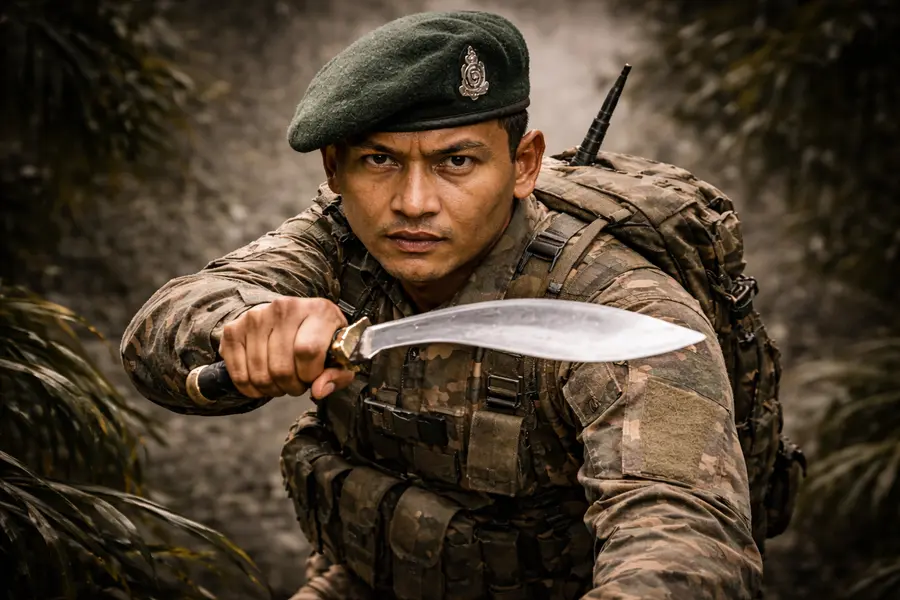
6. Gurkhas: Nepal's Fearless Elite Soldiers (1815 AD-Present)
The Gurkhas are Nepali soldiers recruited by the British and Indian armies. The Gurkhas have a reputation for fearless military prowess. Former Indian army chief of staff field marshal Sam Manekshaw once said: "If a man says he is not afraid of dying, he is either lying or he is a Gurkha." The motto of the Gurkhas is, "Better to die than be a coward."
There are lots of heroic stories about Gurkhas. In 1945, for example, rifleman Lachhiman Gurung was in a trench with two other soldiers when 200 Japanese opened fire on them. When several grenades fell near them, he proceeded to throw them back when one exploded in his hand. He then returned fire with his left hand, killing 31 Japanese soldiers!
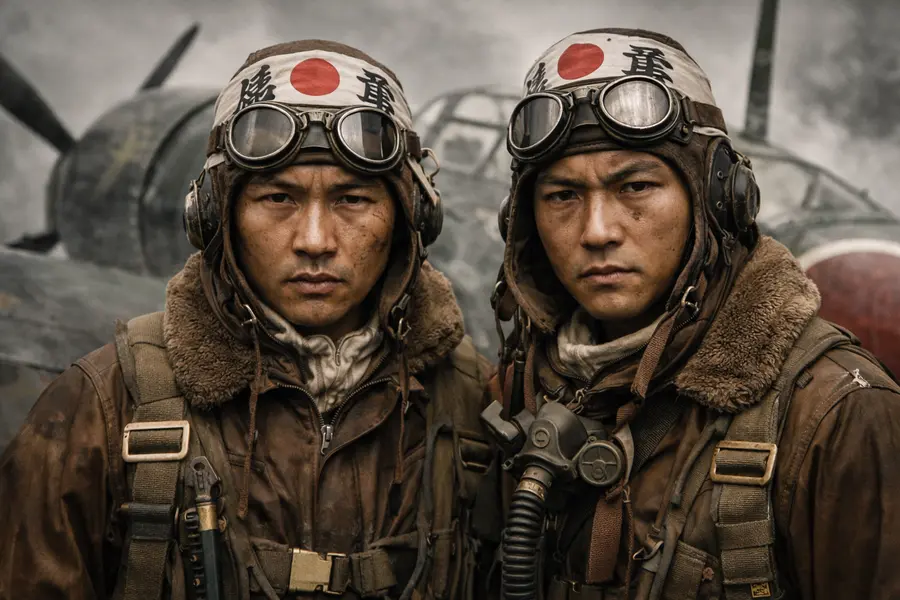
7. Kamikaze Pilots: Japan's Ultimate Sacrifice Warriors (October 1944-August 1945)
The kamikaze was a Japanese special attack unit in WWII. They specialized in suicide attacks on allied naval vessels. The word 'kamikaze' means 'divine wind' in Japanese.
When Japan was on the brink of defeat in WWII, the kamikaze was a last-ditch effort to turn the tide of battle. Kamikaze attacks killed more than 7,000 Allied personnel, and about 3,800 kamikaze pilots died during the war.
Only 19% of all kamikaze aircraft hit their targets. However, they were still devastatingly effective. The Allies feared these pilots as they weren't afraid to die. A direct impact from a kamikaze plane was devastating to Allied ships.
These attacks directly impacted the morale of the Allies. It demonstrated the resolve of the Japanese to fight to the death instead of submitting and accepting defeat. Kamikaze tactics later prompted the United States to drop atomic bombs on Japan, as they wanted to end the war without a costly invasion of the mainland.
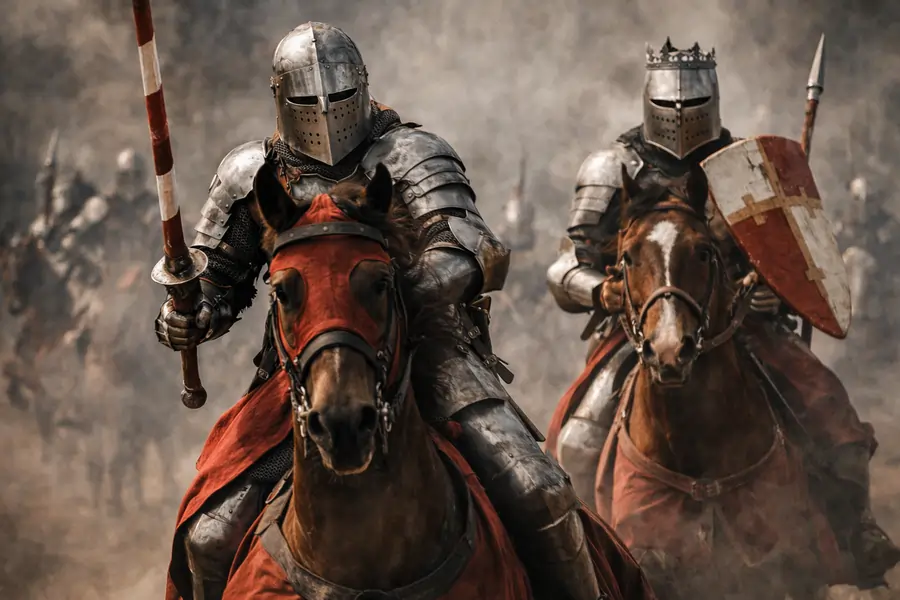
8. Medieval Knights: Armored Elite Warriors of Europe (3rd-15th Century AD)
Knights were the troops of the medieval era. They were heavily armored warriors on horseback. Because of this, only the wealthiest nobles could afford to hire them. Knights also followed the chivalric code of conduct and were expected to exhibit gentlemanly behavior. They used swords or lances as their primary weapon of choice in battle.
Knights were the elite troops in a medieval army. They were used as shock troops to punch through weak spots in the enemy line. The sheer force of a cavalry charge was enough to make the enemy units turn tail and run. Knights were even used after the introduction of gunpowder weapons. The main reason they became obsolete was due to high costs, as it was expensive to train and mobilize them.
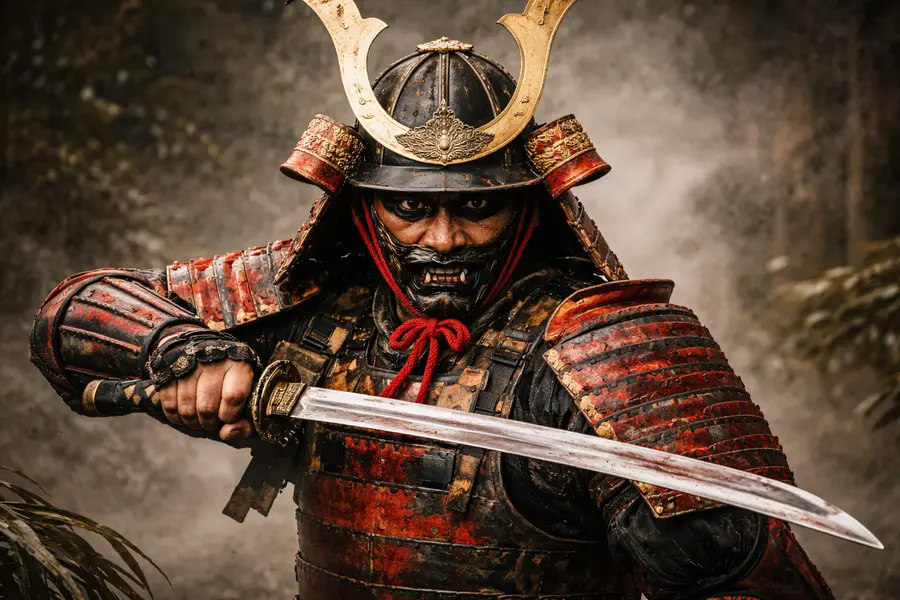
9. Samurai Warriors: Japan's Honor-Bound Elite Fighting Force (12th Century-1867 AD)
The samurai warriors were the legendary warriors from the land of the rising sun. They were also referred to as 'bushi,' which means warrior. They were also referred to as 'bushi,' which means warrior. The traditional samurai code of honor, discipline, and morality is known as 'bushido,' meaning 'the way of the warrior.' The samurai warriors were on top of the social caste system in Japan.
The samurai were fierce warriors skilled in sword fighting. Their most famous weapon was the katana, a sharp, slightly curved blade. Many samurai also used bows called yumi. The samurai's fighting spirit and code of honor are what made them legendary. They ruled over Japan for over 700 years.
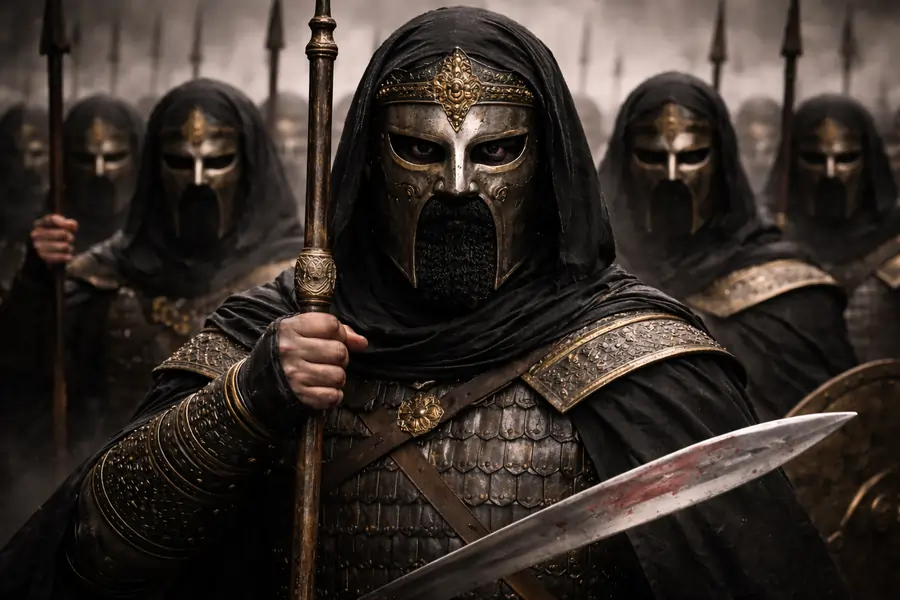
10. The Immortals: Persia's Legendary 10,000-Strong Elite Guard (550-330 BC)
The Immortals were a group of 10,000 heavily armed infantry of the Achaemenid Empire. They were the imperial guard and the standing army of the empire. The Immortals always consisted of exactly 10,000 troops. If any soldier died or fell sick, he would be immediately replaced. This created an illusion that they were immortal.
The Immortals were elite and armed with a variety of weapons. Each soldier carried a sword, a spear, arrows, a bow, and a shield. They didn't wear the best armor and had a shield made of wood and wicker, which were not that good. However, they made up for this with sheer numbers. It is said that cities would surrender at the very sight of the Immortals.
Frequently Asked Questions
Who were the most elite warrior groups in history?
The most elite warrior groups include Mongol warriors (largest contiguous empire), Spartan soldiers (legendary training), samurai warriors (strict bushido code), and British SAS (revolutionized modern warfare). Each distinguished themselves through exceptional training, discipline, and battlefield dominance. Mongols excelled at mounted archery, Spartans perfected phalanx formation, samurai mastered swordsmanship, while SAS established templates for modern special operations forces worldwide.
What made the Spartan warriors so fearsome?
Spartans were fearsome due to rigorous military training (agoge) starting at age seven, creating unmatched discipline and toughness. Trained to never surrender and fight to death. Their Thermopylae stand (300 Spartans vs. tens of thousands of Persians) exemplified their warrior ethos. Fought in effective phalanx formation. Entire society organized around creating perfect warriors. Ancient Greece believed one Spartan equaled several soldiers from other city-states.
How did Mongol warriors conquer such a vast empire?
Mongol warriors conquered through superior cavalry tactics, exceptional horsemanship, and innovative strategies. Masters of composite bow, shooting accurately while riding at full gallop, even retreating. Employed sophisticated tactics including feigned retreats, enveloping maneuvers, and psychological warfare. Often outnumbered but created illusions using dummies on horses. Ruthless warfare destroyed cities, spreading terror. Highly disciplined organization, rapid communication, and adapting enemy technologies contributed to unprecedented success.
What is the difference between samurai and ninjas?
Samurai were noble warriors following bushido (honor code emphasizing loyalty, courage). They fought openly, served daimyos (feudal lords), and held high status. Ninjas (shinobi) were covert operatives specializing in espionage, assassination, and sabotage. Unlike samurai, ninjas weren't bound by honor codes and used deception. Ninjas came from lower classes, hired as mercenaries. While samurai fought face-to-face with katanas, ninjas used stealth and guerrilla tactics.
What makes the British SAS the most elite special forces unit?
The British SAS (founded 1941) established the template virtually all modern special operations forces follow. Selection is among the world's most demanding with extremely high failure rates. Pioneered behind-enemy-lines operations during WWII. Gained worldwide recognition with 1980 televised Iranian Embassy rescue. Motto 'Who Dares Wins' embodies calculated risk philosophy. Training covers counter-terrorism, hostage rescue, reconnaissance. Influenced elite units globally including U.S. Delta Force and Navy SEALs, cementing gold standard status.
How did ancient warrior cultures train their soldiers?
Ancient warrior cultures employed rigorous training. Spartans underwent agoge from age seven in barracks, learning combat and survival. Samurai training began in childhood with martial arts, swordsmanship, archery, horsemanship, and philosophy emphasizing mental discipline. Mongol children learned horsemanship and archery young; military service mandatory at fifteen. Knights trained as pages and squires for years. Persian Immortals maintained forces through constant replacement. Common elements: early training, discipline emphasis, physical conditioning, weapons mastery, and lifelong dedication.