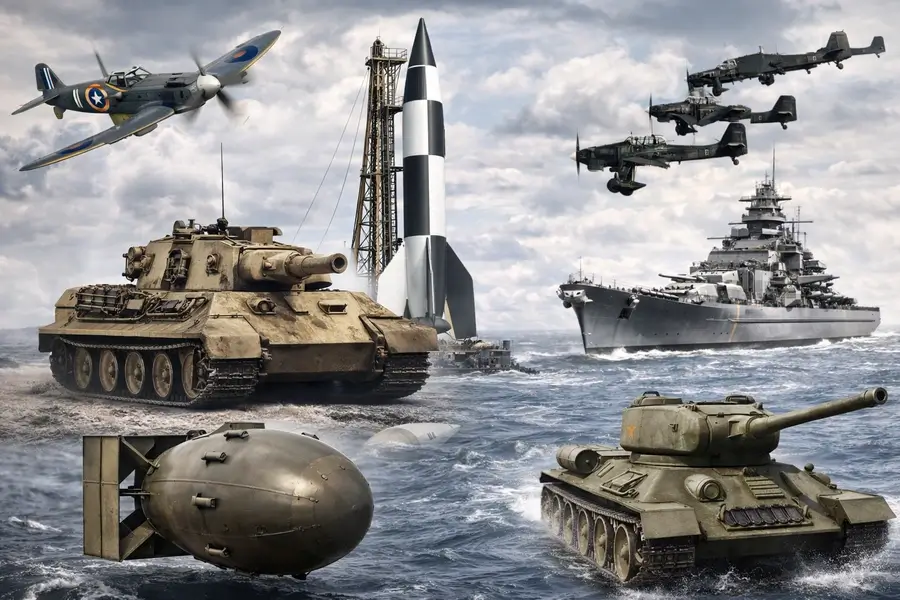
What were the most iconic World War II weapons that changed the course of history? From the legendary Spitfire fighter plane to the devastating atomic bomb, these famous weapons of World War 2 revolutionized modern warfare. Understanding ww2 weapons history reveals how technological innovation determined victory and defeat across all theaters of war.
The weapons that changed ww2 weren't just about raw firepower—they represented strategic breakthroughs in engineering, tactics, and military thinking. These iconic world war ii weapons, from the feared Tiger tank to the mysterious Enigma code machine, shaped battles, saved nations, and ultimately decided the fate of millions.
Iconic World War II Weapons
- Panzer and Tiger Tanks
- Bismarck and Graf Spee
- The V Weapons
- U-Boats: German Submarines
- Spitfire
- Stuka Dive Bombers
- T-34 Medium Tank
- Radar
- The Enigma
- The Atomic Bomb
- Kamikaze Pilots
- Aircraft Carriers
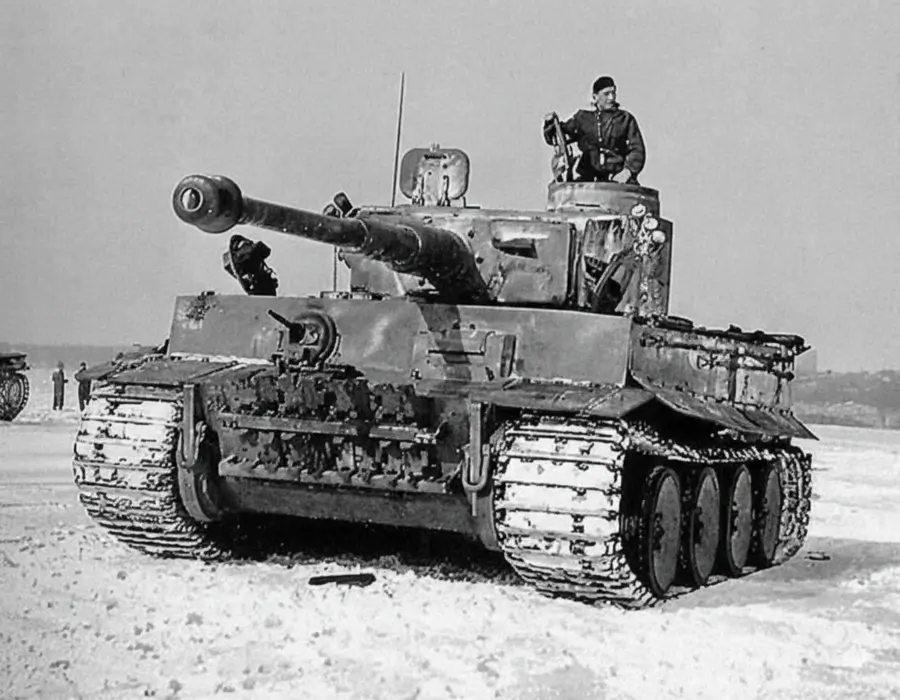
Tiger Tank WW2: Germany's Panzer Warfare Dominance
The German tanks were a thing of legend during WW2. When the Germans unleashed their deadly blitzkrieg in Europe, it was the Panzers that were the spearhead of the attacks. They ripped through the enemy lines and encircled whole armies and annihilated them. The Panzer IV was the workhorse of the German army and was used in all theatres of war.
The Panzers were, however, not technologically superior to the enemy tanks. They were quite average in terms of firepower and armament. The Tiger tank ww2 legend was built on raw power—these beasts were designed to be the ultimate battlefield weapon capable of destroying any tank they encountered. Tiger tanks were more than capable of handling the Soviet T-34 tanks with devastating efficiency.
It was these German tanks that were iconic in the blitzkrieg attacks of WW2. The German army took pride in their tanks and Hitler wanted to create bigger, more powerful tanks. The Tiger tanks were so powerful that the allies had to upgrade their tanks to be able to take them out. They even avoided confrontation with armies that had a good concentration of Tiger tanks.
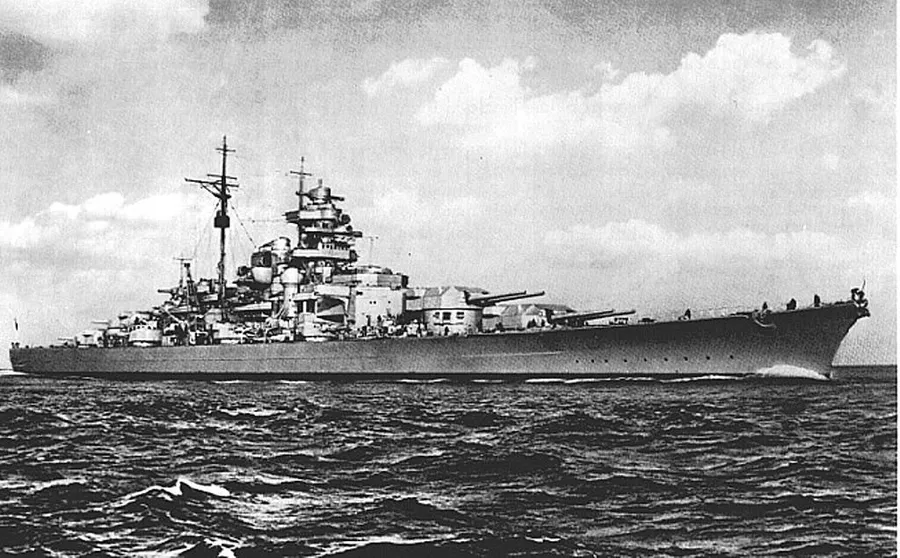
Bismarck and Graf Spee: Nazi Germany's Deadly Battleships
After WW1 Germany was banned from building any battleships. This meant that the Kriegsmarine (the Geman navy) was very weak in comparison to the Brtish Royal fleet. They, however, had a trick up their sleeves. They were building pocket battleships like the Graf Spee and even heavy battleships like the Bismarck in secret.
The Germans would never be able to face the Royal fleet head-on. But they could still cause serious damage to their merchant fleet if these deadly ships were let loose in their shipping routes. So when these deadly ships wreaked havoc of their merchant shipping, the British had to throw everything they had to hunt them down.
These great battleships were more than capable of taking on any of the ships that the British managed to throw at them but their primary role was to disrupt merchant shipping. They did a pretty good job at demolishing the merchant convoys and Bismarck even sank the British Battlecruiser HMS Hood which was a severe blow to British morale.
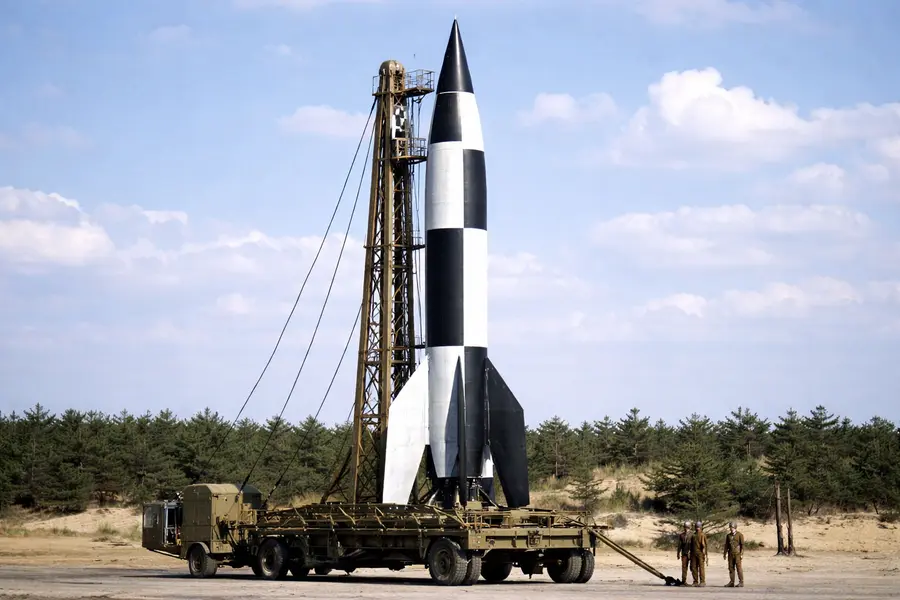
The V Weapons
The Germans used the V weapons or Vergeltungswaffen meaning "retaliatory weapons" as a last-ditch attempt to make Britain surrender. There were three V weapons used in the war. The V-1 rockets traveled at the same speed as an airplane and made the sound of a motorcycle running in bad order. The sound of these rockets was terrifying as they caused heavy destruction to the cities.
A total of 9,251 V-1 rockets were fired killing a total of 6,184 civilians. Since the V-1 rockets were not very fast, they could be detected by radar and shot down by Allied fighter aircraft. Their accuracy was also not that good and many missed their target. The V-2 rockets were a huge improvement over the V-1. They traveled at a supersonic speed which meant that they could no longer be intercepted by anything.
The Allies had no means of countering the V-2 rockets and they could not be stopped until their launch sites were overrun. A total of 1,115 V-2 rockets were fired at Britain killing about 2,754 in London alone. The V-3 was a giant cannon which was supposed to be capable of hitting Britain from the European mainland. However, Allied bombing runs disabled the V-3 cannon and it was never used.
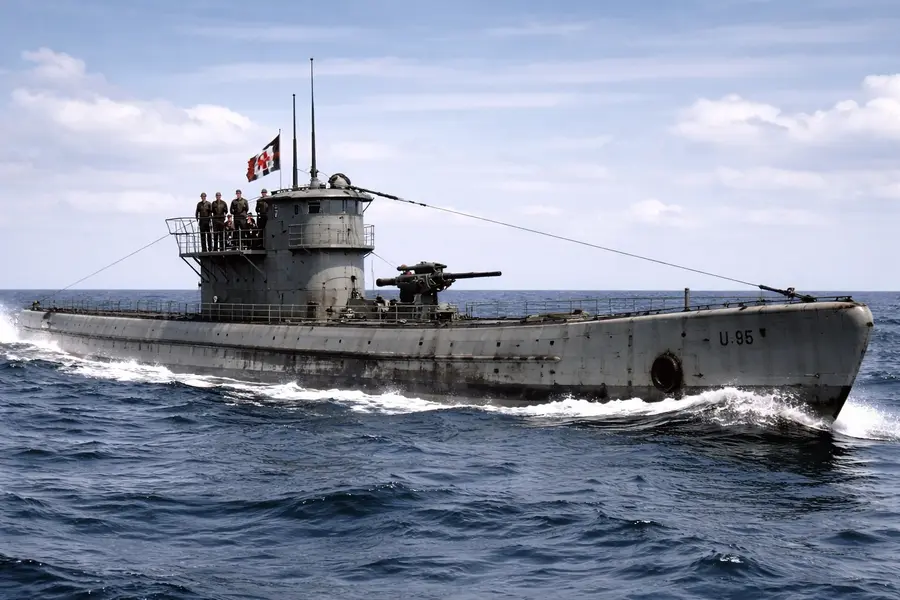
U-Boats: German Submarines in the Battle of the Atlantic
Winston Churchill after the war quoted, "The only thing that ever really frightened me during the war was the U-boat peril." The U-boats or the Unterseeboot were the deadly German submarines that were causing havoc in the Atlantic shipping lanes. The U-boats were tasked with sinking the merchant shipping that was keeping Britain supplied.
The U-boats were very effective during the early days of the war and the Allies did not have any effective way of dealing with them. Britain was almost brought to its knees by the number of merchant ships sunk by the U-boats. Britain was not able to replace the number of ships sunk to sustain its imports.
The convoy system was introduced to support merchant ships with escorts. The Germans retaliated by introducing the concept of wolf packs where multiple U-boats grouped to attack convoys. The Battle of the Atlantic was finally won by the Allies but it was a close battle in which the U-boats almost strangled Britain into submission.
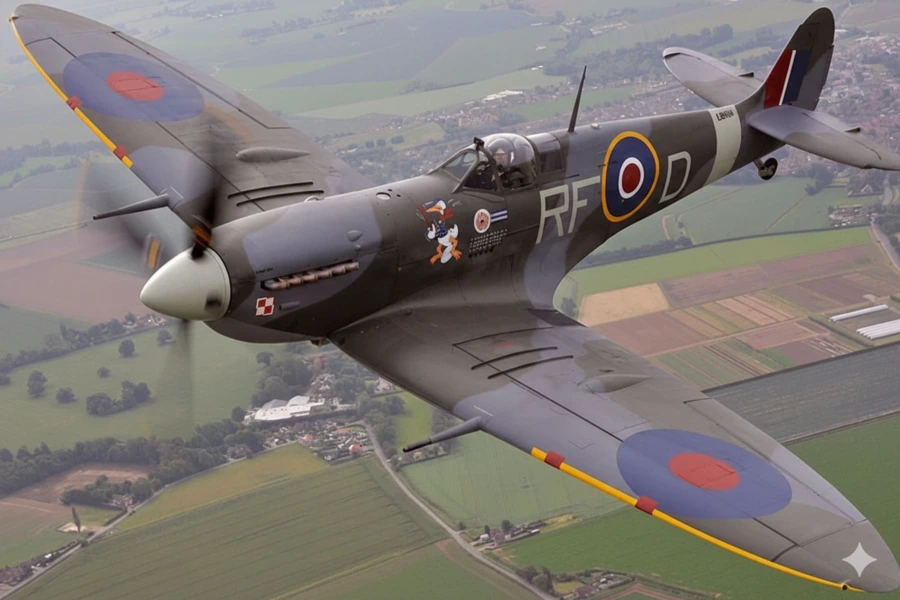
Spitfire Fighter Plane: Britain's Legendary WW2 Aircraft
The Supermarine Spitfire fighter plane is one of the most iconic aircraft of WW2. It was the symbol of the tenacity and strength possessed by the Royal Air Force. The Me109 fighter of the German Luftwaffe was an effective fighter which made quick work of the Polish and French air force. However, it was not facing a worthy adversary in the Battle of Britain.
The Spitfire fighter plane was more than a match for any German fighter. During the dire days of the Battle of Britain, brave RAF pilots flying their Spitfires faced the overwhelming German Luftwaffe and miraculously held their ground. The illusion of an easy victory expected by the Germans was suddenly shattered. The British were not going to go down without a fight.
It is also worth noting that there were a lot of Hurricane fighters which were also involved in the fight. The Hurricanes were also excellent fighters but not as efficient as the Spitfires. Churchill's words, "Never was so much owed by so many to so few" perfectly sums up the significance of these machines and their pilots.
Stuka Dive Bombers: Luftwaffe's Terrifying Air Weapon
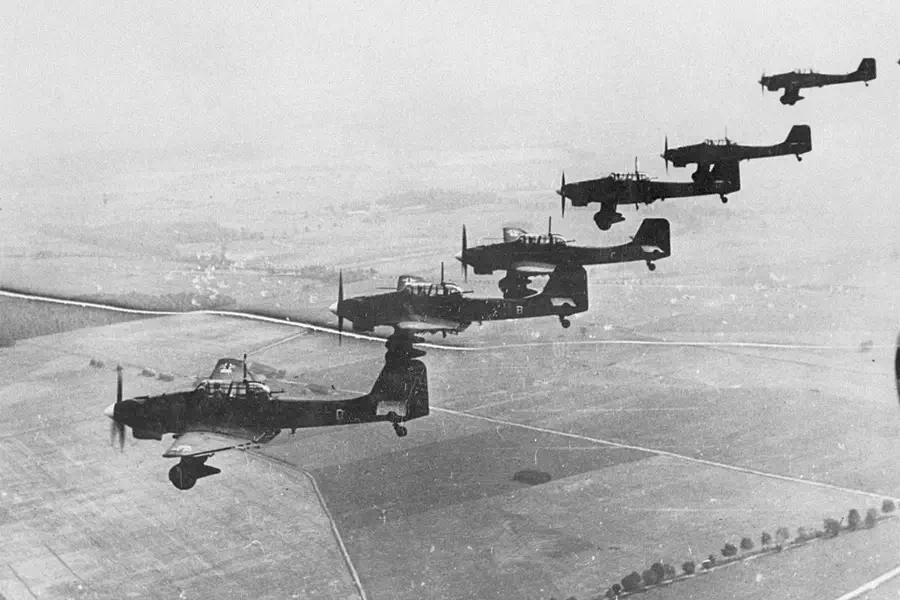
The Junkers Ju 87 is a German dive bomber more famously known as the Stuka. During the blitzkrieg attacks, it was the Stukas that supported the armored tanks in the front lines. These lanes wreaked havoc among the ground troops and picked off enemy tanks one by one. During the early stages of the war, the Allies did not have any answer to the air dominance of the Luftwaffe.
The landing gears of the Stukas were attached with the Jericho trumpet which made a wailing sound as the plane descended on the enemy troops. This was a kind of psychological warfare used to reduce the morale and terrorize the troops being attacked. The Stukas were used in propaganda, becoming the symbol of German air power.
T-34 Tank: Soviet Union's Game-Changing Medium Tank
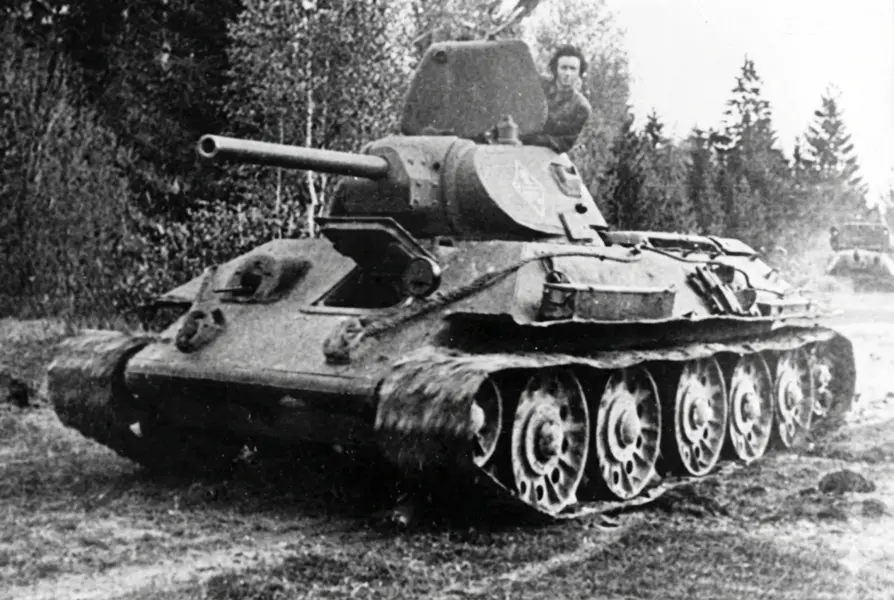
Soviet tenacity and willpower pushed the Germans back and turned the tide of war. And it was the Soviet-made T-34 tanks that were the backbone of the Red Army during World War II. The German blitzkrieg initially made rapid progress and the Soviets did not have any decent tanks capable of taking out the German Panzers and Tigers. However, the situation changed when the Soviets started rolling out the T-34s.
The T-34 was an excellent medium tank which outclassed even the German tanks during the time. It had good firepower, maneuverability, and armor. It was also very easy to produce and maintain, which meant that the Soviet industry could churn out hundreds and thousands of T-34s in a short amount of time.
The T-34 was the most produced tank in WW2 and the second most-produced tank of all time. Even though other tanks with better armament and firepower were built, the T-34 remained as the best tank design in WW2. Even though the Tiger tanks were more powerful, the Soviets always had a larger number of T-34s at their disposal.
Radar Technology: The Secret Weapon That Won WW2
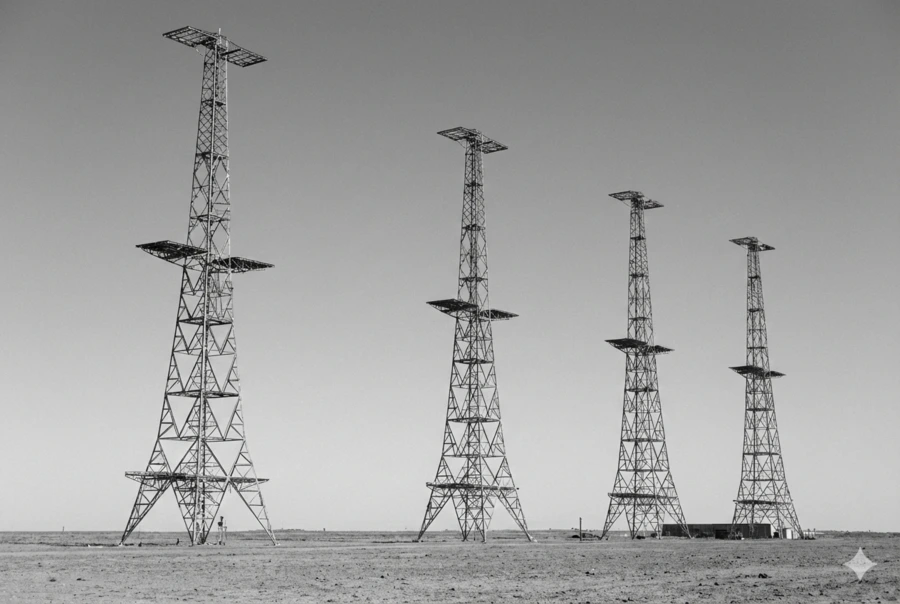
When we think about weapons, we tend to leave out the importance of intelligence and information about the enemy. It may be the Spitfires that won Britain the war in the sky but without the use of the radar, they might have been rendered useless. The Radar installations around Britain was used as an early warning system for the British pilots to get in the air and fight.
The Radar stations helped the British plan their defenses well in advance which was crucial in winning the war. The Germans grossly underestimated the impact of Radar which gave the British the edge in intelligence.
Enigma Code WW2: Breaking Germany's Secret Communication
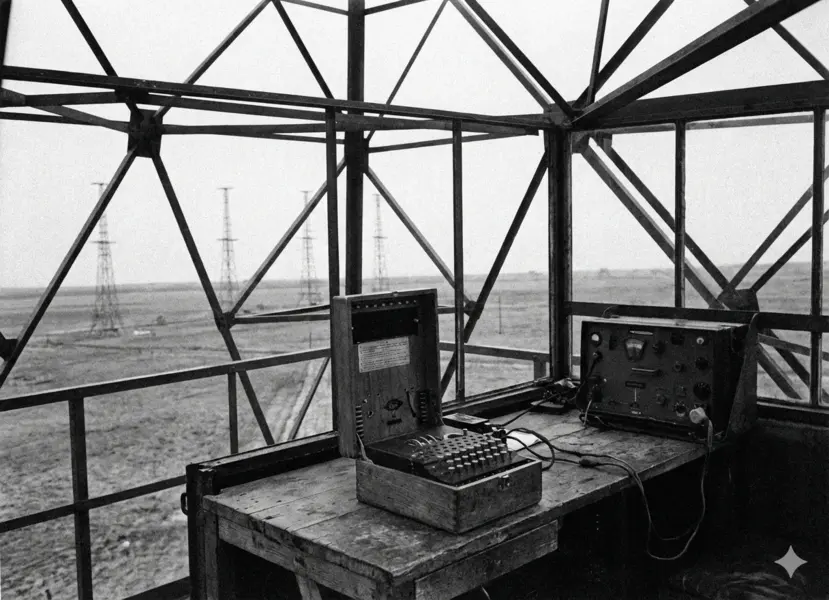
The Enigma code ww2 machine was an encryption device used by the Germans in World War II. It was used to send encrypted messages to the military and could not be intercepted. The Germans believed that the Enigma code could not be cracked and hence they did not consider the possibility of it being decoded.
The Allies, however, captured an intact Enigma machine and used that to decipher the secrets. This meant that the military messages sent by the Germans could now be intercepted and deciphered by the Allies. This could be considered as one of the main reasons for the early end of the war.
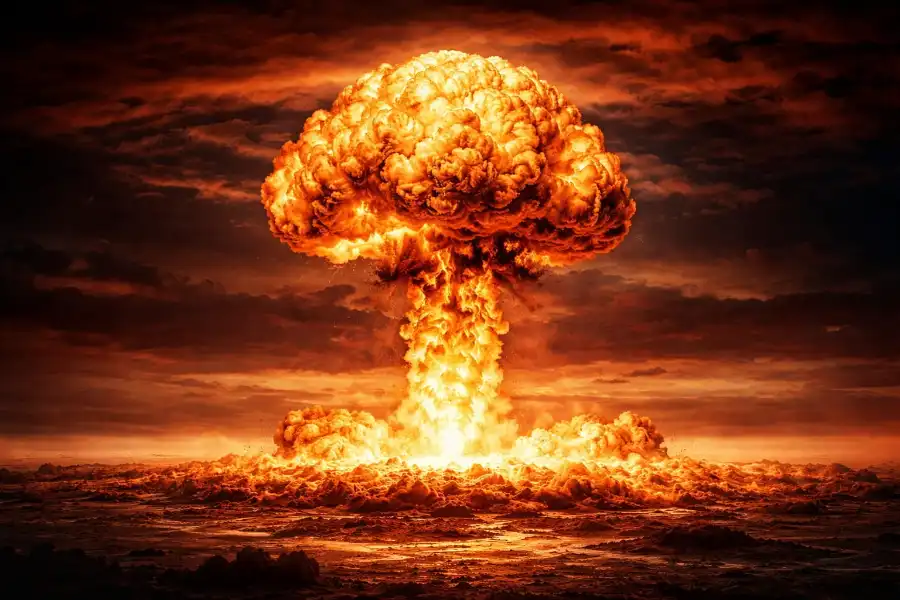
Atomic Bomb WW2: The Ultimate Weapon That Ended the War
The atomic bomb ww2 was undeniably the most destructive weapon of World War II. The destruction caused by a single Atom bomb is enough to level cities in an instant. The aftermath of the bomb also has far-reaching consequences as radiation renders the area unfit for humans to live in for hundreds of years.
The manhattan project cost the US 2 billion dollars but it was worth the effort as these bombs were enough to make Japan surrender. After the battle of Iwo Jima, the Americans knew that the Japanese would not sue for peace and they would have to fight hard and sacrifice a lot to subdue Japan. Thus, they finally decided to drop the Atomic bombs on Hiroshima and Nagasaki.
The destruction caused by the bombs were devastating. The bombs were intentionally dropped in densely populated areas to maximize the destruction. Thousands of people were killed in an instant and Japan finally sued for peace ending the war.
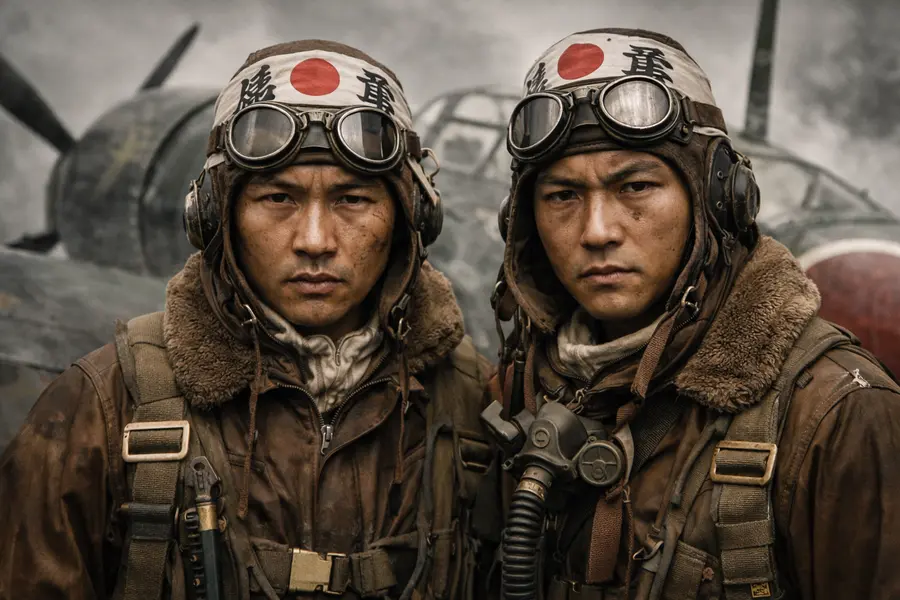
Kamikaze Pilots: Japan's Desperate Suicide Weapon
The mitsubishi Zero figher was unstoppable during the early stages of the war outperforming any aircraft the allies could field in the Pacific. However, by the end of the war, they had become obsolete and the Japanese became desperate. The role of the Zero fighter changed to that of a suicide bomber.
The Japanese considered the concept of surrender as a disgrace. In many battles, the Japanese fought till the last man even when the battle was hopeless. The Kamikaze pilots were a symbol of Japanese ideology. They were suicide pilots who had their planes loaded with explosives to ram their planes into Allied ships.
The war for Japan was hopeless as they began to lose ground slowly. They were desperately in need of a solution and the Kamikaze attacks were their choice. The Allies were shocked to see the Japanese planes crashing directly into them with deadly effect. This was one of the reasons that led to the dropping of the Atomic bombs.
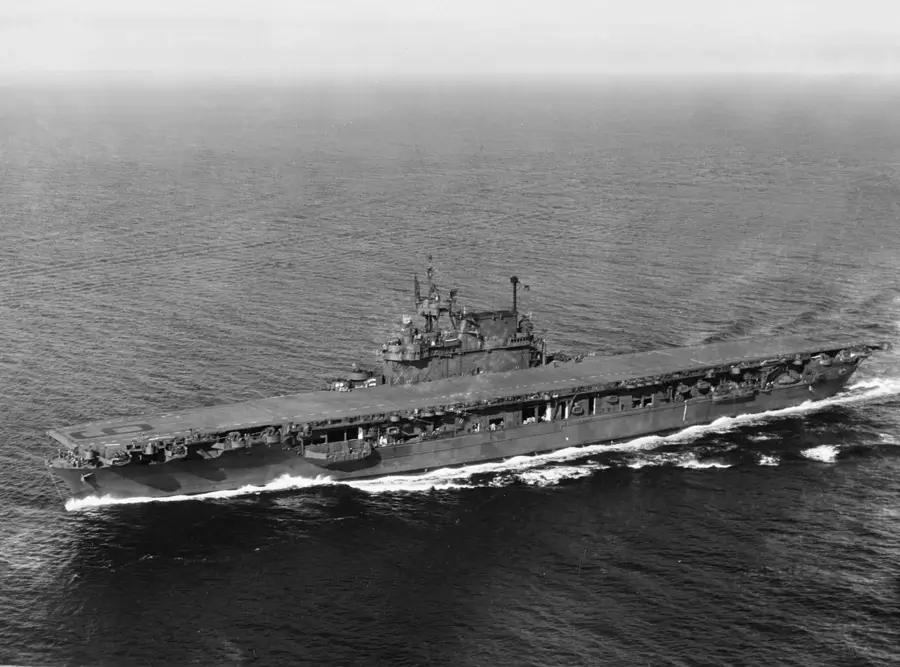
Aircraft Carriers: Naval Power That Dominated the Pacific
During World War I, Battleships were the main focus in the navy. However, during World War II, it was the Aircraft carriers that came into the spotlight. These aircraft carriers enabled countries to strike far from their bases in surprise attacks which were not possible earlier. The ships were also very vulnerable to aerial bombing and having aircraft of their own was the only offensive and defensive solution.
The deadly use of aircraft carriers was demonstrated by the Japanese with their bombing of Pearl harbor which effectively knocked the US out of the Pacific for 6 months. The Americans however, were aware of the effectiveness of aircraft carriers and soon turned the tide of war with aircraft carriers of their own.
Frequently Asked Questions
What made the Tiger tank so feared in World War II?
The Tiger tank was feared for combining devastating firepower, thick armor, and psychological dominance that made it nearly invincible. The 88mm gun destroyed Allied tanks from distances exceeding 1,500 meters, while frontal armor (120mm) was virtually impervious. A single Tiger could engage multiple Allied tanks simultaneously. However, it was mechanically unreliable, expensive, slow, fuel-hungry, and required extensive maintenance. Germany produced only 1,350 Tigers compared to 50,000 American Shermans, limiting strategic impact despite tactical superiority.
How did the Spitfire help Britain win the Battle of Britain?
The Spitfire was instrumental through superior performance, maneuverability, and RAF pilot courage against overwhelming odds. Its elliptical wing design gave exceptional agility and climbing ability. When Germany launched its 1940 air offensive, the Spitfire matched the Messerschmitt Bf 109 fighter. Eight machine guns provided substantial firepower; tight turning radius allowed skilled pilots to outmaneuver Germans. Radar provided early warning for scrambling. While Hurricanes shot down more aircraft, the Spitfire symbolized British defiance, shattering German air superiority myths.
Why was the atomic bomb used on Japan and what were its effects?
The atomic bombs on Hiroshima (August 6, 1945) and Nagasaki (August 9, 1945) forced Japan's surrender and ended WWII without costly mainland invasion. Japan refused surrender due to their cultural honor code. Battle of Iwo Jima showed Japanese fighting to the last man. Planners estimated Operation Downfall would cost 500,000-million American and millions of Japanese casualties. The bombs killed 70,000-80,000 instantly at Hiroshima (140,000 total) and 40,000 at Nagasaki (70,000 total), with decades of radiation effects. The unprecedented destruction convinced Emperor Hirohito to surrender August 15, 1945, ending WWII.
What role did U-boats play in the Battle of the Atlantic?
U-boats (German submarines) nearly won the Battle of the Atlantic by systematically destroying Allied merchant shipping that kept Britain supplied. Winston Churchill stated, 'The only thing that ever really frightened me during the war was the U-boat peril.' German U-boats operated in 'wolf packs' overwhelming convoy defenses. During 1940-1943, U-boats sank millions of tons of shipping, threatening to starve Britain. Victory came through convoy systems, breaking Enigma code, advanced technologies (sonar, radar, aircraft), escort carriers, and improved depth charges. Allied shipbuilding eventually outpaced German sinking rates.
How did radar technology change World War II?
Radar fundamentally changed WWII by providing unprecedented ability to detect enemy aircraft and ships beyond visual range, giving Allied forces 'electronic sight' that proved decisive. Britain's Chain Home radar network detected incoming German aircraft during the Battle of Britain, providing crucial minutes for RAF fighters to scramble and position. Without radar, British pilots would be caught on the ground or forced to fly constant patrols. Naval radar detected enemy ships and submarines in darkness or fog. Airborne radar allowed night fighters to intercept bombers. Radar-equipped anti-aircraft guns dramatically improved accuracy. By war's end, radar had become indispensable, fundamentally altering strategy and battlefield awareness.
What made the Soviet T-34 tank the best tank design of WW2?
The Soviet T-34 is considered the best overall tank design because it achieved optimal balance of firepower, armor, mobility, reliability, and—crucially—mass production capability. The 76mm gun (later 85mm) provided excellent firepower. Revolutionary sloped armor provided superior protection without excessive weight. Wide tracks and Christie suspension gave excellent mobility across Russian terrain. Diesel engine was more reliable and less flammable. Most importantly, simple design enabled rapid mass production—Soviet factories churned out 84,000 T-34s. This meant that even when Germany fielded superior tanks like Tigers, Soviets always had numerical superiority. Good-enough performance with superior production made the T-34 strategically decisive.