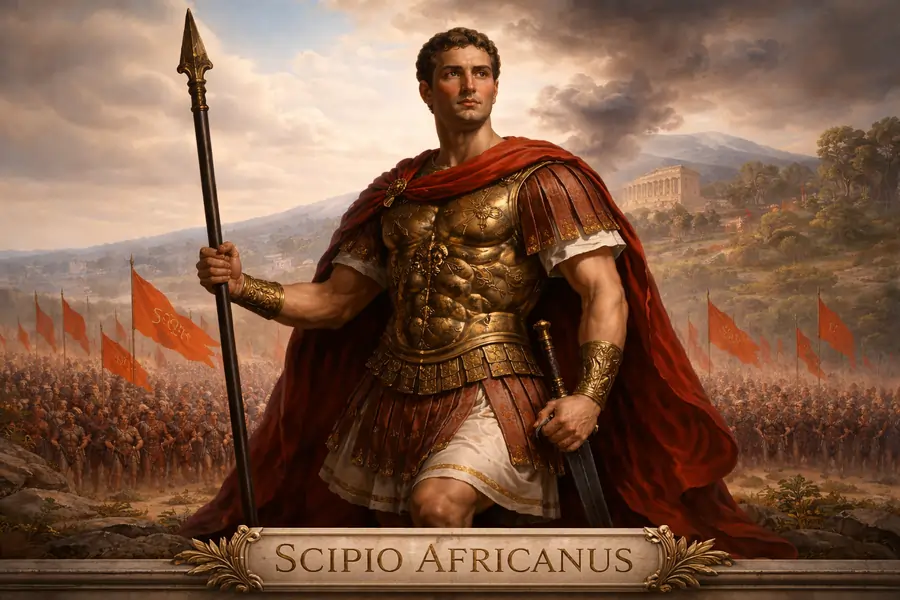
Scipio Africanus was the Roman general who did what no one else could—defeat Hannibal Barca, the greatest military mind of his age. Scipio was the hero who saved Rome from the ashes of Rome's worst defeats in the Second Punic War. He combined bold strategy, psychological insight, and battlefield innovation to turn the tide of history. From saving his father as a teenager to masterminding the decisive Roman victory at the Battle of Zama, his journey is one of resilience, genius, and calculated risk. This in-depth guide examines how Scipio Africanus revolutionized Roman warfare, defeated Carthaginian power in Spain and Africa, and secured his place among the greatest military commanders in history.
Table of Contents
- Early Life and Background
- Saving His Father at the Battle of Ticinus
- Learning from Hannibal's Genius
- Scipio's Campaigns in Iberia (Spain)
- Capture of New Carthage
- Battle of Ilipa: Tactical Masterpiece
- The African Campaign
- Battle of Zama: Defeating Hannibal
- What Made Scipio Africanus Unique
- Scipio vs Hannibal: A Study in Contrast
- Legacy and Historical Significance
Early Life and Background
Publius Cornelius Scipio, later known as Scipio Africanus, was born in 236 BC into one of Rome's most prestigious noble families. The Cornelii Scipiones were an integral part of Roman political and military life. The young Scipio grew up surrounded by the ideals of duty, discipline, and honor. From an early age, Scipio displayed intelligence, courage, and charisma. Unlike many Roman commanders who rose through rigid traditional paths, Scipio's rise would be marked by boldness and innovation. His early exposure to war came during the Second Punic War, one of the most brutal conflicts Rome had ever faced.
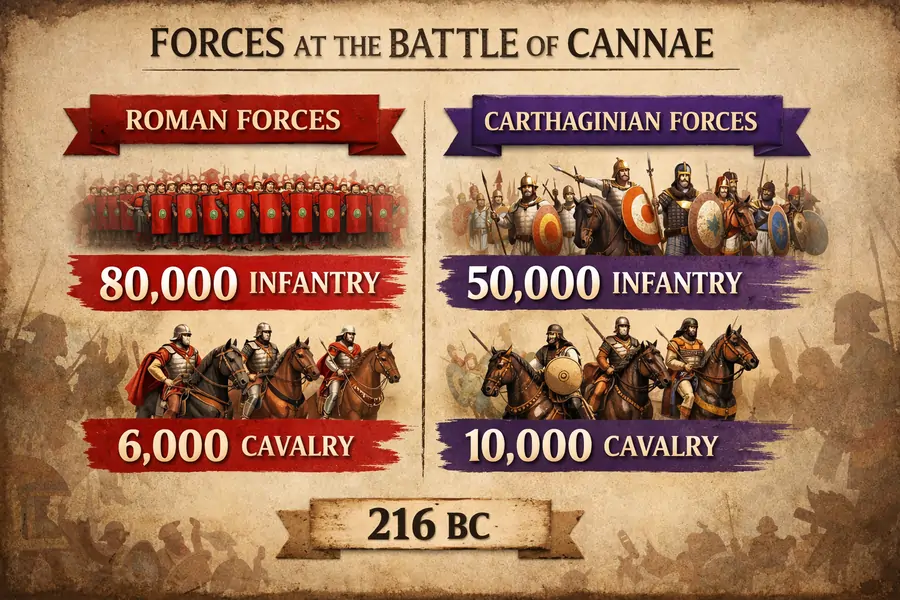
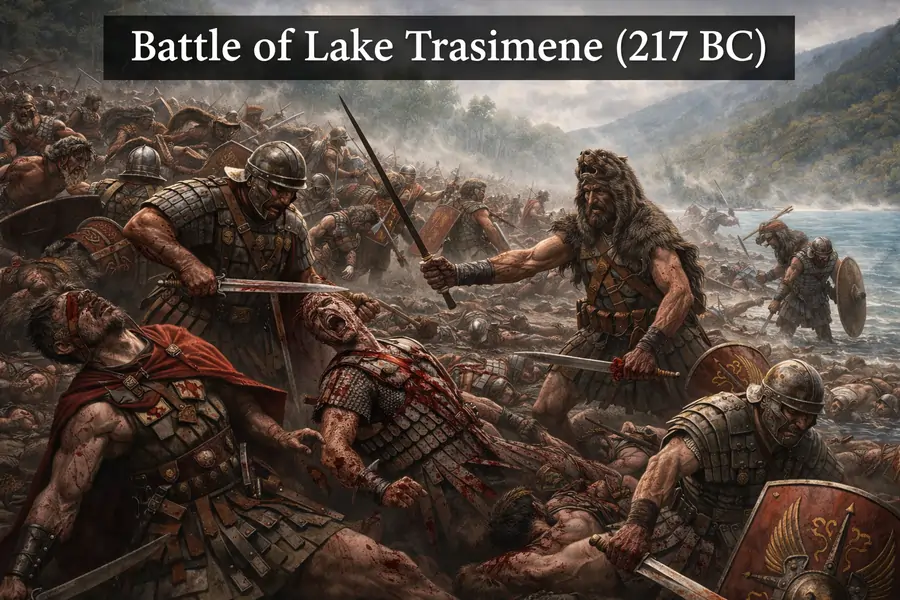
At the end of the Second Punic War, Rome emerged as the dominant power in the Mediterranean. The Romans were confident in the capability of their army and did not consider Carthage as a threat. However, this was soon to change. The Second Punic War had already begun disastrously for Rome, with Hannibal delivering crushing defeats at the Battle of Trebia, Lake Trasimene, and eventually Cannae. It was in this environment of fear, desperation, and uncertainty that Scipio forged his legend as a hero of Rome.
Saving His Father at the Battle of Ticinus
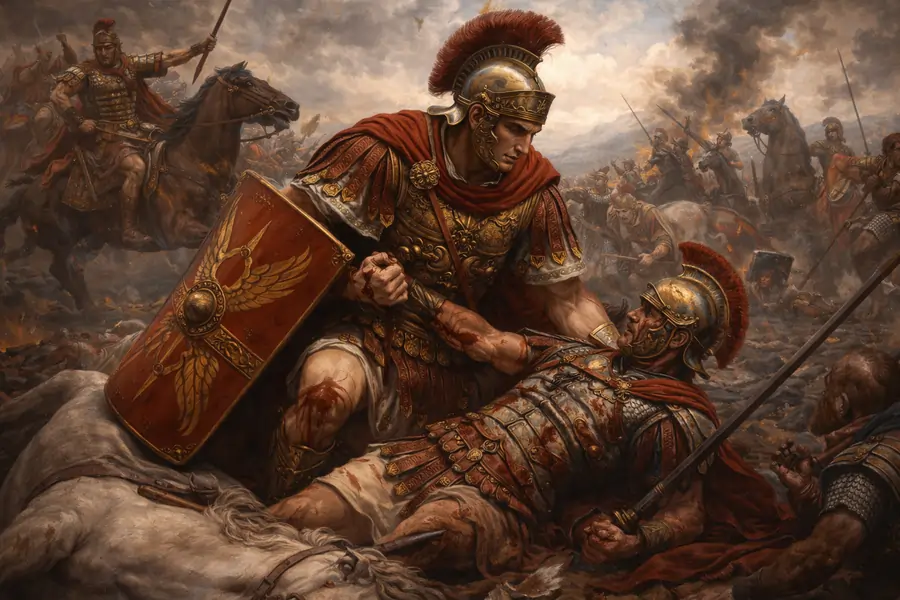
One of the most defining moments of Scipio's early life occurred during the Battle of Ticinus in 218 BC. At just 17 years old, Scipio accompanied his father, Publius Cornelius Scipio, who commanded Roman forces against Hannibal. This was one of the earliest battles fought by Hannibal in Northern Italy. During the battle, Scipio's father was gravely wounded and surrounded by enemy cavalry. In a display of extraordinary courage, the young Scipio charged into the fray and rescued him, earning admiration from the Roman soldiers.
This heroic act was a preview of great things to come for Scipio. This revealed his qualities of personal bravery, decisiveness, and a willingness to act where others hesitated. Being a survivor of the Battle of Ticinus and the Battle of Cannae, he vowed to take revenge on Hannibal for the crushing defeats he had inflicted on Rome. As a dedicated Roman who valued loyalty to the city more than anything else, he made it his lifelong mission to expel Hannibal from Roman soil.
Learning from Hannibal's Genius
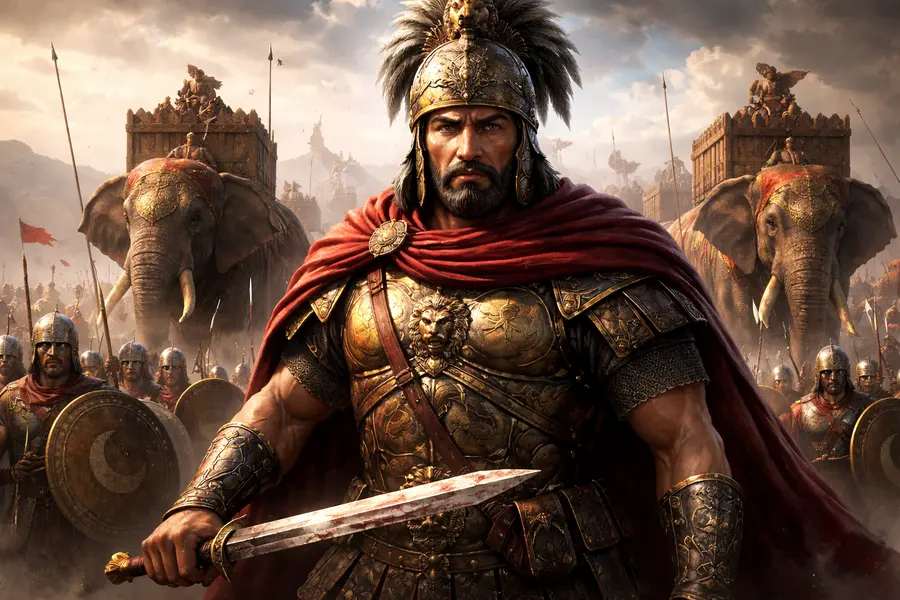
The Romans were very proud and arrogant. Initially, they did not believe that the elite Roman infantry could lose a direct battle against the Carthaginian mercenaries. They were too stubborn to admit the tactical brilliance of Hannibal. Therefore, they did not learn or adapt to counter his tactics. Scipio, on the other hand, demonstrated a rare ability to learn from his enemies. Hannibal Barca, the Carthaginian general who had humiliated Rome, became his unlikely teacher.
Hannibal's victories involved careful maneuvering of his troops to trap his enemies. Especially at Cannae, Hannibal showcased the brilliant double envelopment, flexible formations, and psychological warfare. While many Romans were traumatized by these defeats, Scipio studied them in detail. This would be essential if Rome had any hope of outwitting the crafty Carthaginian in combat.
Scipio absorbed Hannibal's strengths and later adapted them into his own strategies. This willingness to evolve would set Scipio apart from other Roman commanders, including those who relied on the cautious Fabian strategy. Although the Fabian strategy helped Rome stabilise after its previous defeats, Scipio wanted to use a more direct and decisive approach. He will get his chance of vengeance very soon.
Scipio's Campaigns in Iberia (Spain)
After Rome suffered devastating losses, Scipio took command in Iberia (modern Spain) in 210 BC. At just 25 years old, his appointment was considered risky, but Rome made an exception to give command to the young Scipio. Hannibal was unstoppable in Italy, but the Carthaginian allies were vulnerable. Scipio would exploit this by taking the fight to Carthage.
Iberia was critical to Carthage's war effort. It provided manpower, wealth, and strategic depth. By targeting Iberia, Scipio aimed to cut Hannibal off from reinforcements. This was in line with the Fabian strategy of denying Hannibal resources, recruits, and supplies. Rome needed troops to defend itself from Hannibal at home, so Scipio would be limited on the troops and resources he would have at his disposal to fund his campaign.
His campaigns were marked by speed, intelligence gathering, and bold maneuvers. Unlike traditional Roman commanders, Scipio used deception and surprise to outmaneuver his opponents. Tactics that he had borrowed and perfected from Hannibal himself. His tactical brilliance was proven in his campaign in Iberia.
Capture of New Carthage
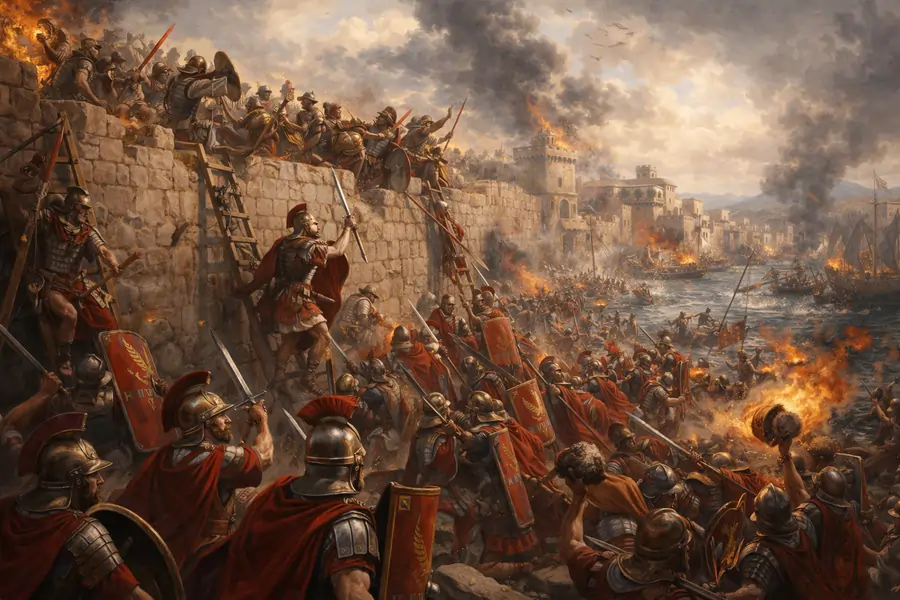
One of Scipio's most remarkable achievements was the capture of New Carthage (Cartagena) in 209 BC. This city was the Carthaginian capital in Spain and a vital supply hub. The capture of the city was vital to cut off Hannibal's supplies. Initial assaults from Scipio were effective but did not prove decisive enough to storm the city. Although heavily outnumbered, the defenders held the city due to its extensive fortifications.
According to the Greek Historian Polybius, Scipio analysed the tidal patterns of a nearby lagoon and launched a surprise attack, exploiting the lower water level during the evening. This enabled his forces to attack from multiple directions, overwhelming the defenders. The fall of New Carthage was a turning point. It gave Rome control over Iberia's resources and demonstrated Scipio's brilliance in combining intelligence, timing, and audacity.
Battle of Ilipa: Tactical Masterpiece
The Battle of Ilipa in 206 BC is often considered one of the greatest tactical victories in ancient history. Facing a slightly larger Carthaginian army, Scipio employed deception to achieve victory. For several days, he arranged his troops in a conventional formation. The elite Roman infantry were arrayed at the center, and the weaker auxiliary units were at the flanks. Then, on the day of battle, he reversed his formation by placing his strongest troops on the flanks instead of the center.
This unexpected move caught the Carthaginians off guard, as it was very unconventional for the Romans to arrange their troops in this manner. As the battle unfolded, Scipio's forces enveloped the enemy, very similar to the double envelopment executed by Hannibal at Cannae. Ilipa effectively ended Carthaginian power in Spain and showcased Scipio's ability to innovate and adapt.
The African Campaign
After securing Iberia, Scipio proposed an audacious plan: to invade North Africa and force Carthage to recall Hannibal from Italy. This did not initially have support in Rome, as they did not believe that Rome could spare enough troops to capture Carthage. Eventually, Scipio gained the support of the Romans following his brilliant victories in Iberia.
Landing in Africa, Scipio formed alliances with local Numidian leaders, including Masinissa. This would prove essential as it broke the Carthaginian superiority in cavalry. For the Carthaginians, who relied heavily on mercenaries and allied troops, this was a heavy blow. Masinissa and his Numidian horsemen would prove to be the trump card for Scipio in his final showdown against Hannibal in Zama.
Scipio's campaign disrupted Carthaginian territory and forced them into a defensive position. With the Romans at their doorstep, the Carthaginian leaders were now afraid of an attack on the city itself. As expected, Hannibal was recalled from Italy to defend the city. The stage was now set for one of history's greatest showdowns.
Battle of Zama: Defeating Hannibal
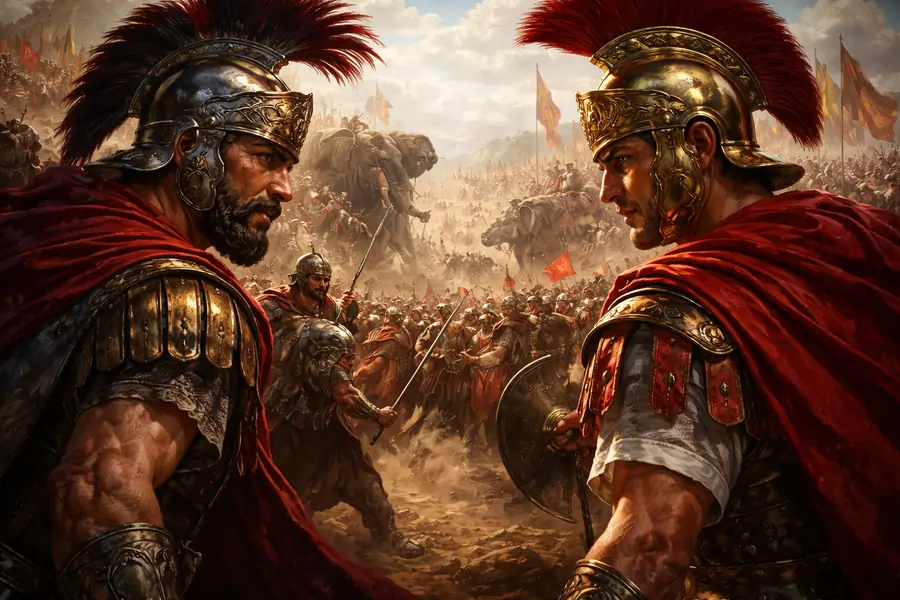
The Battle of Zama in 202 BC marked the climax of the Second Punic War. It was on the fields of Zama where the two great generals, Scipio and Hannibal, faced each other directly in the decisive conflict. The Carthaginians had numerical superiority and elephants in their arsenal. However, the Carthaginian troops were low on morale, new recruits and had little time to prepare.
The Romans, on the other hand, had a better-trained and more experienced army. They also had superiority in cavalry due to the Numidians joining the Roman side. Hannibal deployed war elephants to break the Roman lines in a decisive charge, but Scipio prepared lanes within his formations, allowing the elephants to pass through harmlessly. He instructed his troops to use bugles to create loud noises to spook the elephants, which caused them to crash right back at the Carthaginian troops. The disciplined Roman troops then regrouped and counterattacked.
With superior cavalry—thanks to Masinissa, the Roman cavalry routed the Carthaginian cavalry. The battle ended when the victorious Roman and Numidian cavalry swung around to attack the Carthaginians at their rear. The Carthaginians were surrounded and annihilated. This victory earned Scipio the title "Africanus" and cemented his place among the greatest military generals in history.
What Made Scipio Africanus Unique
Several qualities distinguished Scipio from his Roman counterparts:
- Adaptability: He learned from enemies rather than clinging to tradition.
- Strategic Vision: Targeting Iberia and later Africa showed long-term thinking.
- Charisma: He inspired loyalty among troops and allies alike.
- Innovation: His tactics at Ilipa and Zama demonstrated creativity.
These traits allowed him to succeed where others had failed, eventually turning Rome's fortunes in the Second Punic War.
Scipio vs Hannibal: A Study in Contrast
The rivalry between Scipio and Hannibal is one of history's most fascinating. Both were brilliant, yet their approaches differed. Hannibal was bold, daring, and often relied on surprise and unconventional tactics, as seen in his Alpine crossing and victories detailed in Hannibal Barca's biography.
Scipio, on the other hand, combined Roman discipline with Hannibalic innovation. He was methodical yet flexible, blending the strengths of both traditions. While Hannibal dominated early in the war, Scipio ultimately achieved the final victory that had eluded Hannibal. He proved that adaptation can overcome even the greatest genius.
Legacy and Historical Significance
Scipio Africanus' victory at Zama ended the Second Punic War and established Rome as the dominant power in the Mediterranean. This victory set the stage for Rome's future expansion, eventually leading to conflicts like the Third Punic War. His campaigns are frequently studied alongside other pivotal moments in history, such as those featured in top decisive battles in history.
Scipio's legacy is not just one of victory, but of transformation. He redefined Roman warfare, proving that flexibility, intelligence, and boldness could overcome even the most daunting challenges. In the grand narrative of Rome's struggle against Carthage—beginning with the First Punic War—Scipio stands as the figure who ultimately secured Rome's destiny.
Today, Scipio Africanus remains a symbol of strategic brilliance and leadership, a commander who not only defeated Hannibal but also reshaped the course of history.Frequently Asked Questions
Who was Scipio Africanus and why is he important?
Scipio Africanus was a Roman general best known for defeating Hannibal Barca at the Battle of Zama in 202 BC, bringing an end to the Second Punic War. His innovative tactics, leadership, and strategic vision helped transform Rome into the dominant power in the Mediterranean.
How did Scipio Africanus defeat Hannibal?
Scipio Africanus defeated Hannibal at the Battle of Zama by using disciplined infantry formations, creating lanes to neutralize war elephants, and relying on superior cavalry provided by his Numidian ally Masinissa. His ability to adapt and counter Hannibal's tactics played a crucial role in his victory.
What did Scipio Africanus learn from Hannibal?
Scipio Africanus studied Hannibal's battlefield tactics, including flexibility, use of terrain, and encirclement strategies. He adapted these methods into Roman warfare, allowing him to innovate and ultimately defeat Hannibal using similar but refined techniques.
Why was the capture of New Carthage important?
The capture of New Carthage in 209 BC was a major turning point in the Second Punic War. It gave Rome control over Carthage's main base in Spain, securing valuable resources, hostages, and strategic advantage, while weakening Carthaginian influence in Iberia.
What happened at the Battle of Ilipa?
The Battle of Ilipa in 206 BC was a decisive Roman victory in Spain where Scipio Africanus defeated the Carthaginian forces using a clever reversal of traditional battle formations. This victory effectively ended Carthaginian control in Iberia and shifted momentum firmly to Rome.
How did Scipio Africanus change Roman warfare?
Scipio Africanus changed Roman warfare by introducing flexibility, strategic planning, and innovative tactics influenced by his study of Hannibal. He moved away from rigid formations and embraced maneuver-based combat, intelligence gathering, and coordinated attacks, making Roman armies more adaptable and effective.