Explore Our Content
Mythology
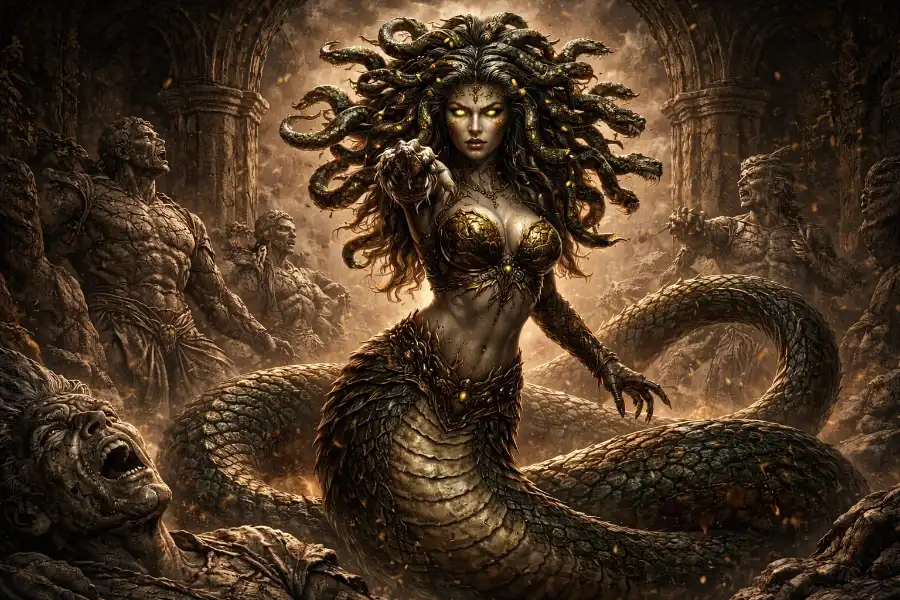
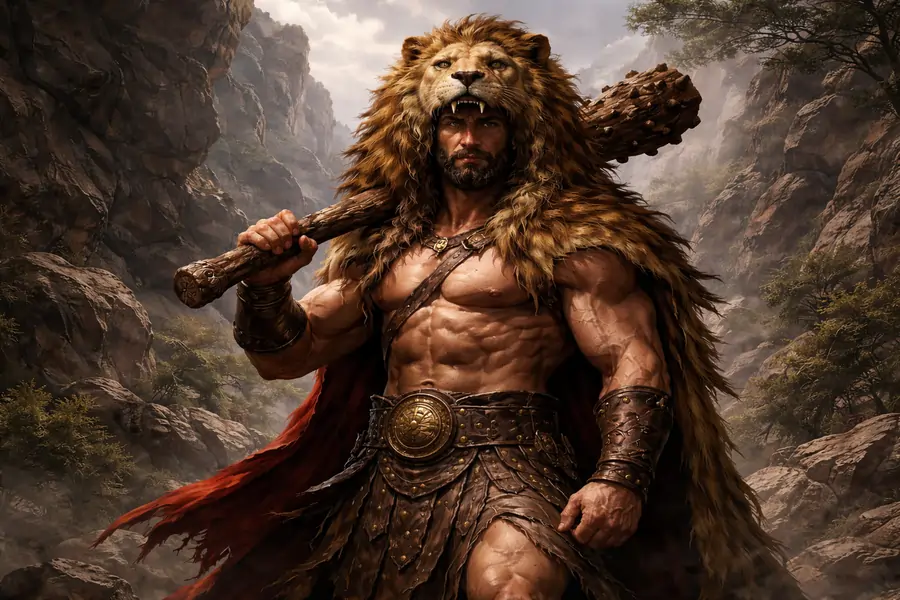
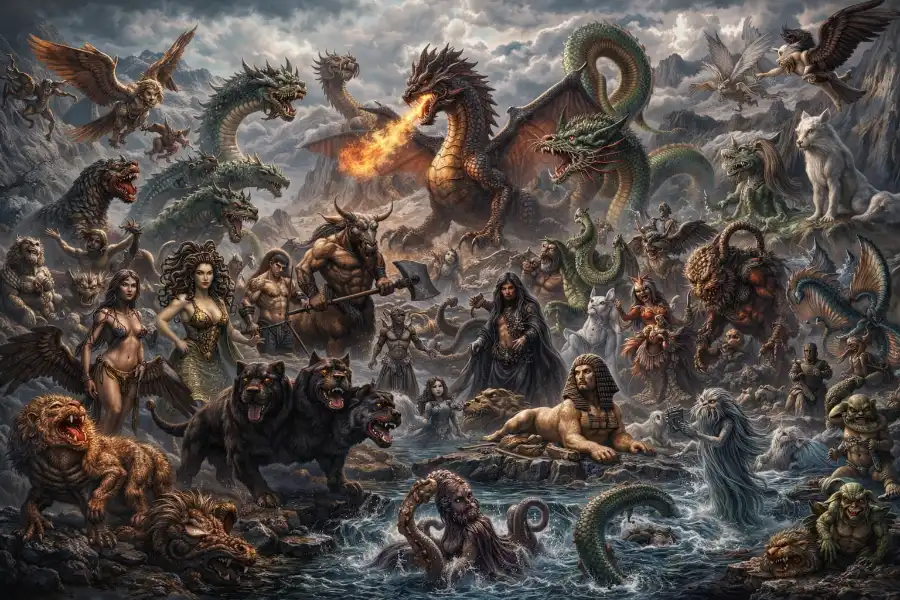
Dive into the fascinating world of ancient myths and legends that have shaped human culture for millennia. From Greek heroes to monstrous creatures, explore the stories that explain the world and human nature.

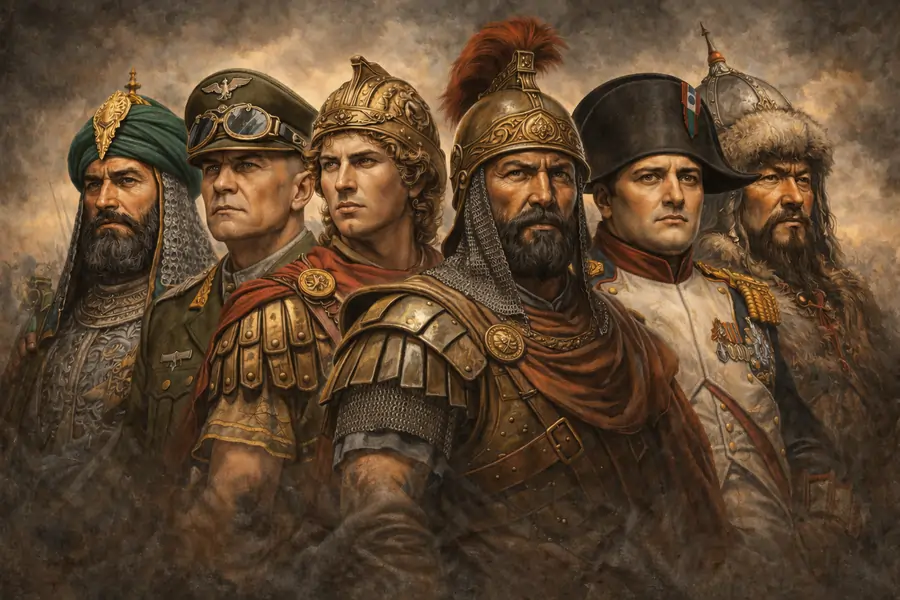
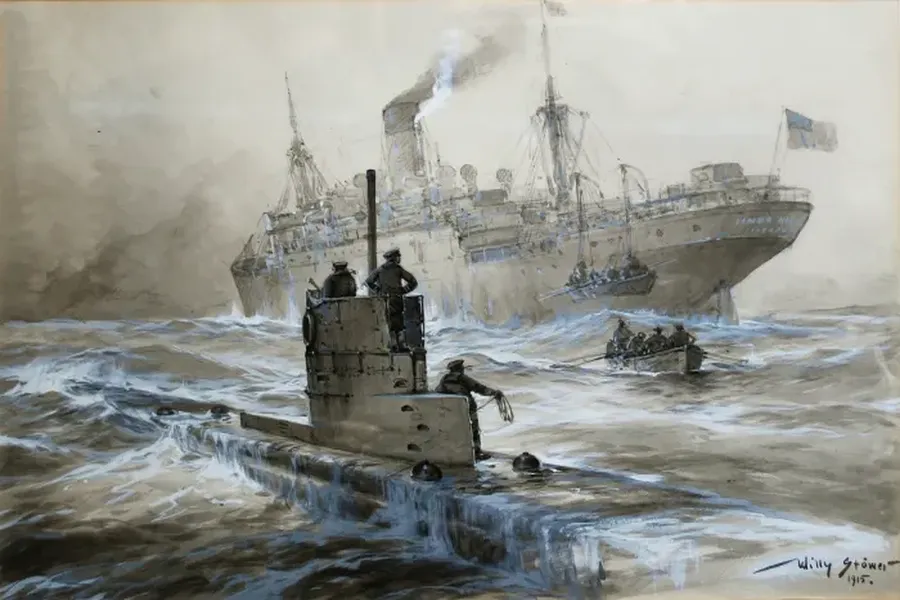
Military History
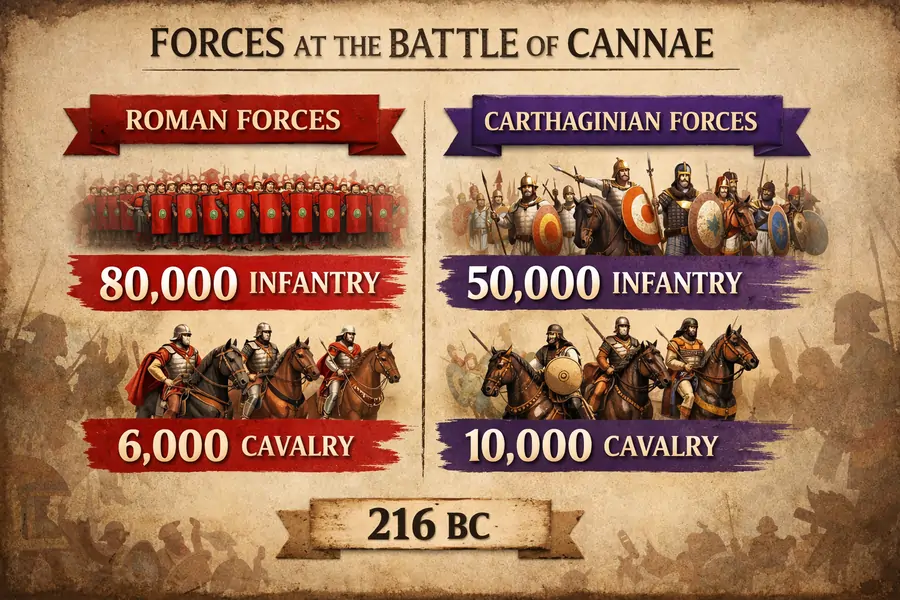
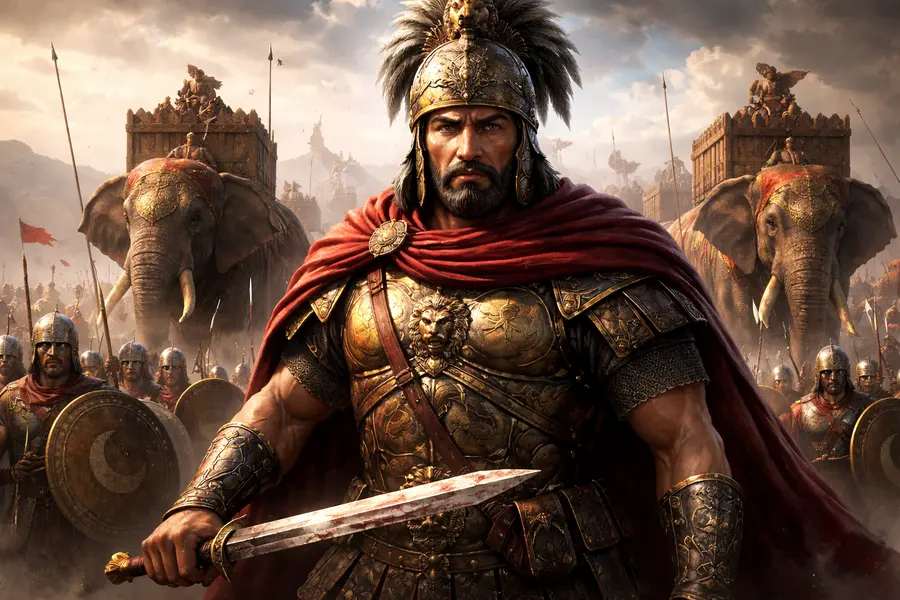
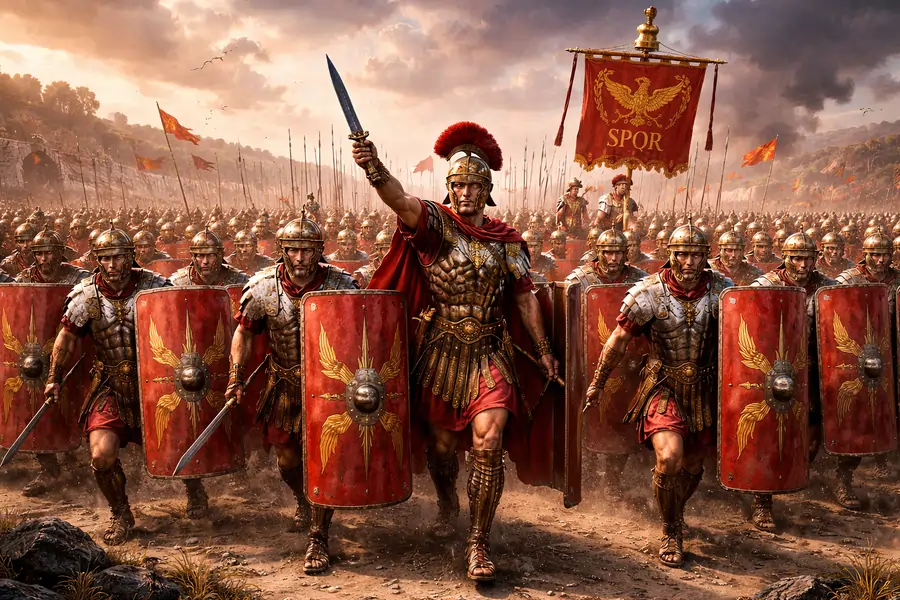
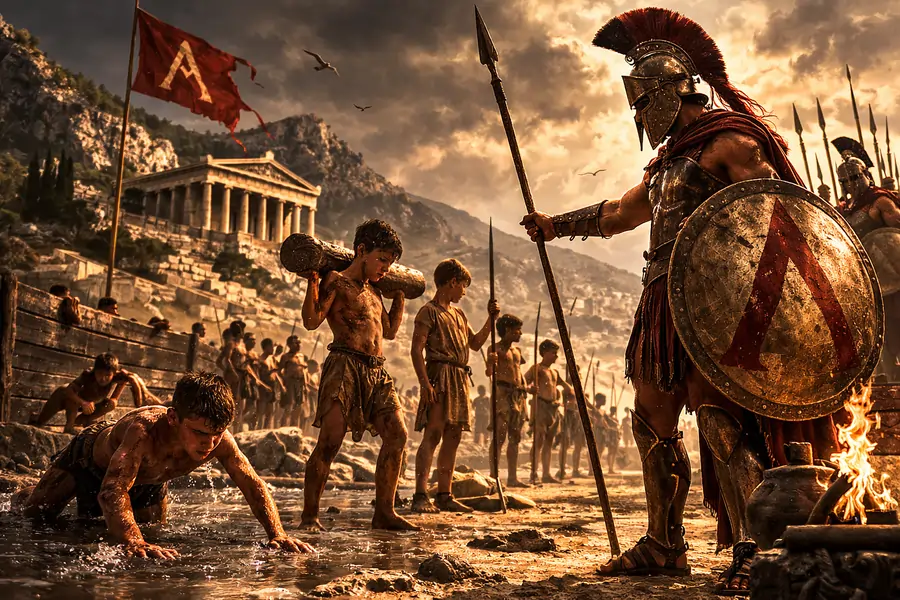
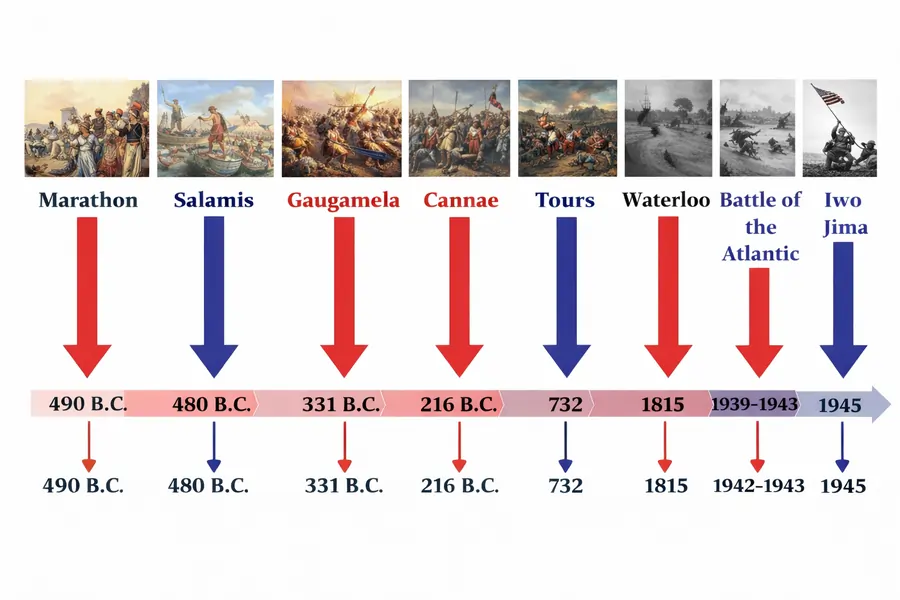
Discover the strategies, battles, and leaders that defined warfare throughout history. From ancient Rome's naval innovations to modern conflicts, understand how military tactics evolved and shaped civilizations.
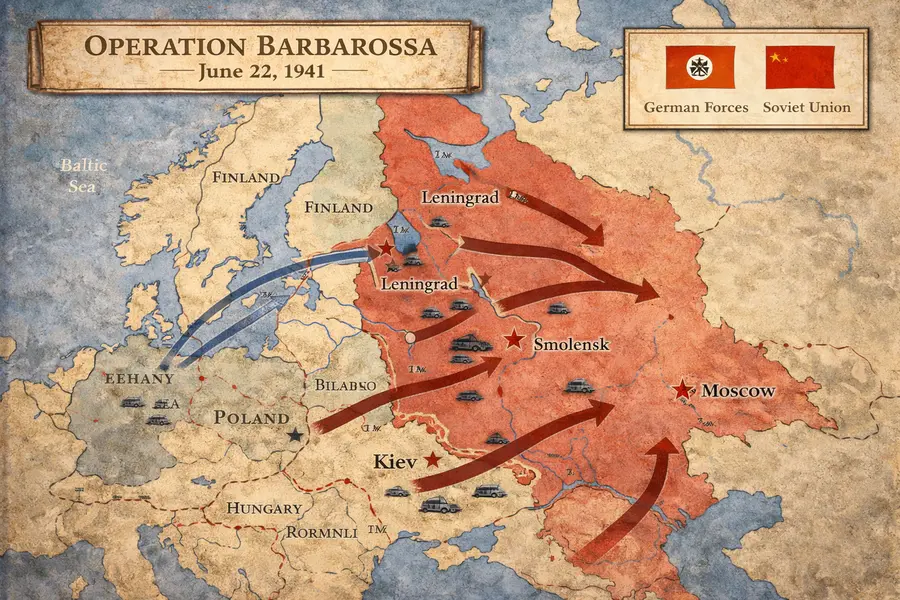
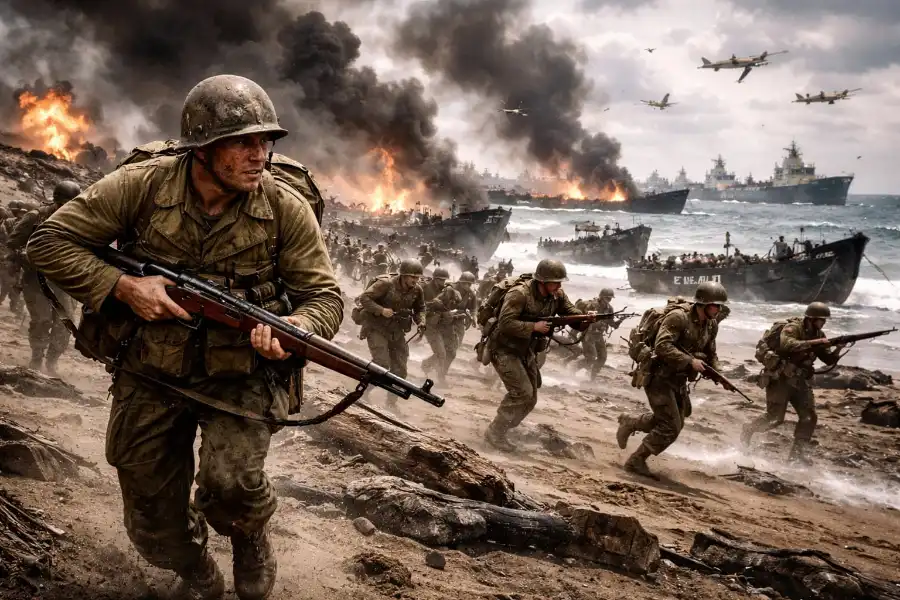
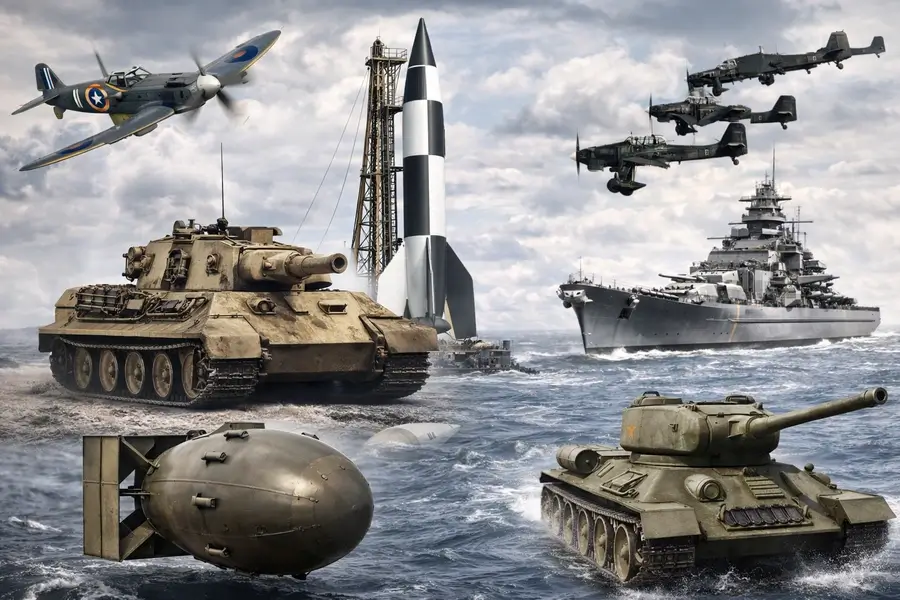
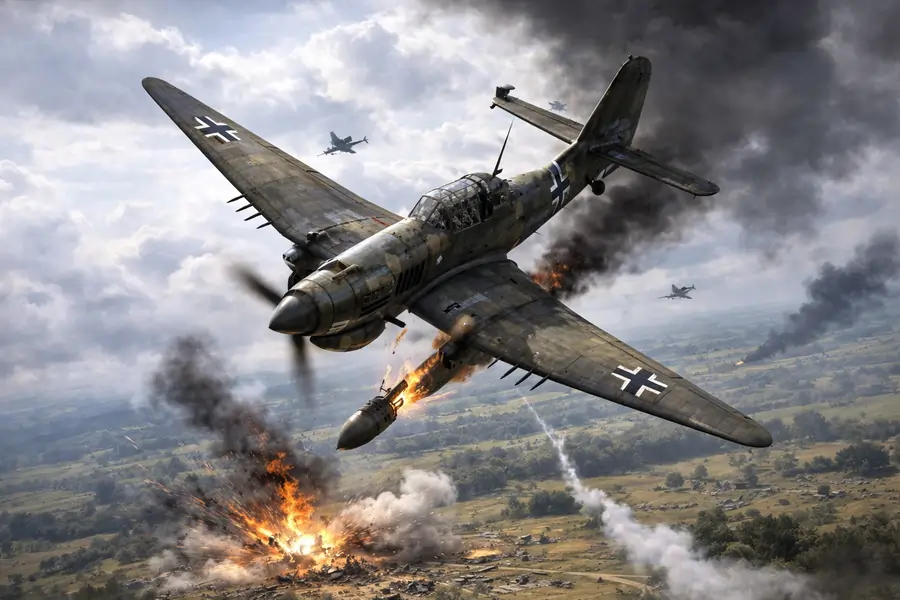
World War II
Examine the most devastating conflict in human history, from the strategies that led to victory to the weapons that changed warfare forever. Understand the global impact of WWII on politics, society, and technology.
Ideas, Ideology & Imagination
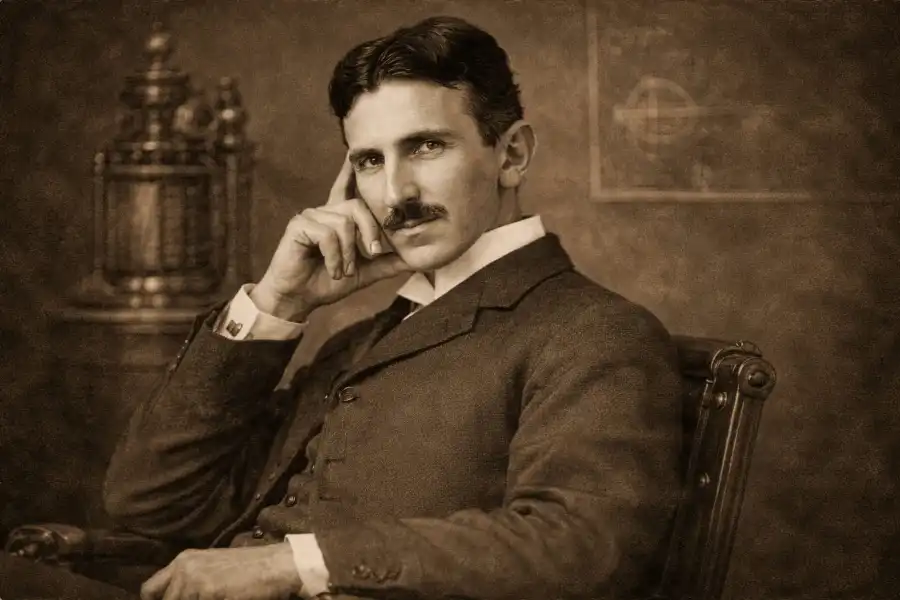
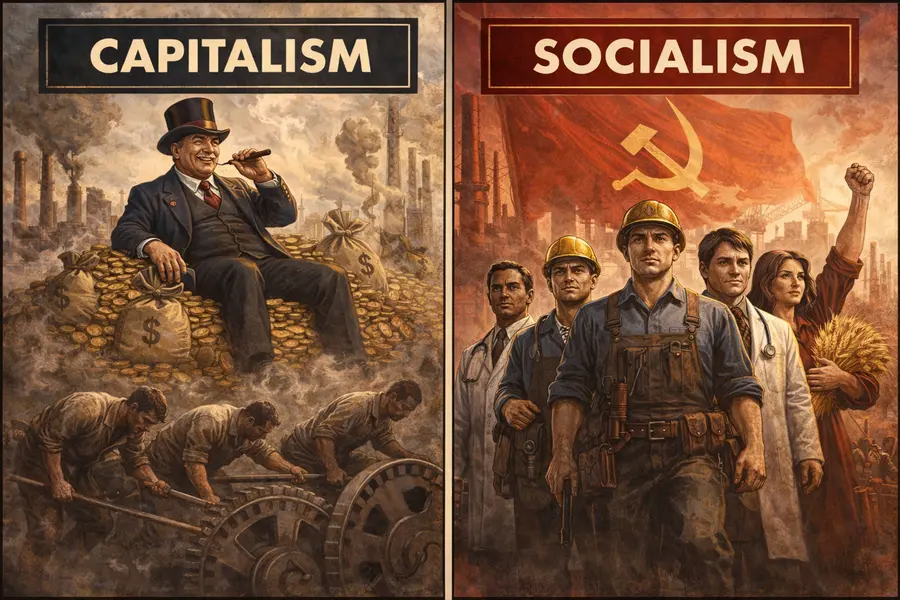
Delve into influential thinkers, competing ideologies, and speculative scenarios that challenge our understanding of society, technology, and the future.
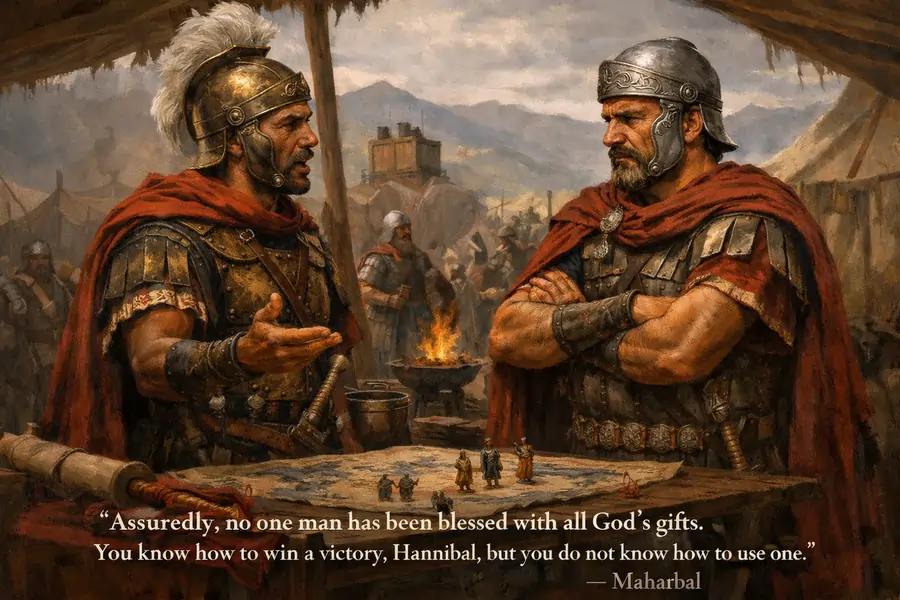
Why Choose Myth and Memory?
Original Research
Every article is meticulously researched from multiple sources, offering fresh insights and balanced perspectives on complex topics.
Proven Experience
This site is grounded in more than a decade of research on ancient battles and over 13 years of published writing on HubPages about historical conflicts.
Comprehensive Coverage
From mythological origins to modern warfare, explore interconnected themes that span thousands of years of human history.
Whether you're a history buff, mythology enthusiast, or simply curious about the forces that shaped our world, Myth and Memory provides the context and depth you need to understand the past-and its impact on the present.
Ready to Dive In?
Start your journey through history and mythology. Choose a topic that intrigues you and discover stories that have captivated humanity for generations.
Frequently Asked Questions
What is Myth and Memory about?
Myth and Memory explores mythology, military history, ancient civilizations, and World War II. The site examines how myths shaped cultures, how wars influenced civilizations, and how historical events continue affecting modern society. Content includes Greek, Norse, Egyptian, and other mythological traditions; famous battles and military strategies; great generals and elite warriors; and influential ideas and ideologies. Written by Sudhir Devapalan, the site combines analytical thinking with storytelling to make history accessible and engaging.
Who writes the content on Myth and Memory?
All content is written by Sudhir Devapalan, an independent writer from India with a passion for history and mythology. He works as a Senior Technical Lead in IT and graduated from Jeppiaar Engineering College in 2013. He has researched ancient battles for more than 10 years and has written about ancient conflicts on HubPages for over 13 years. His reading includes specialist books on ancient warfare and numerous World War II histories. While not a professional historian, Sudhir researches extensively from multiple sources and combines analytical thinking with narrative storytelling. All content is 100% original and human-written.
What topics can I find on Myth and Memory?
The site covers four main areas: Mythology explores gods, heroes, and creatures from Greek, Norse, Egyptian, Celtic, Japanese, and other traditions. Military History examines famous battles, great generals (Alexander, Napoleon, Hannibal), and elite warrior groups (Spartans, Mongols, Samurai). World War II covers America's role, iconic weapons, and major operations like D-Day and Barbarossa. Ideas, Ideologies & Imagination explores influential thinkers like Nikola Tesla and compares economic systems like capitalism vs communism.
Is Myth and Memory suitable for educational purposes?
Yes, the site is valuable for general learning, personal enrichment, and supplementary classroom reading. Articles provide comprehensive overviews with context and analysis, making them excellent for high school students, college learners, and history enthusiasts. However, for formal academic research, treat these as secondary sources and starting points rather than primary academic sources. The content is thoroughly researched, cross-referenced with multiple sources, and presents different interpretations where historians disagree. While not an academic publication, it offers accessible pathways to deeper historical understanding.
How often is new content added to Myth and Memory?
New content is added periodically as articles undergo thorough research and revision. Unlike content farms prioritizing quantity, this site emphasizes quality-each article requires substantial time for research, synthesis, and ensuring historical accuracy. New articles are selected based on gaps in coverage, reader interest, and historical significance. Future plans include more mythology guides covering underexplored pantheons (Hindu, Chinese, Mesopotamian, African), additional military history from different periods, expanded World War II content, and further exploration of influential thinkers and political movements.
Does Myth and Memory have a particular perspective or bias?
The site strives for balanced, evidence-based presentation while acknowledging complete objectivity is impossible. Articles present multiple viewpoints where historians disagree and are cross-referenced with multiple sources and established scholarship. Myths and historical events are presented with respect for the cultures that created them. The author openly acknowledges he's not a professional historian and the site isn't an academic publication. The site doesn't promote nationalist agendas, glorify war, or impose modern moral judgments on ancient societies. The focus on military history reflects personal interest, not ideology.