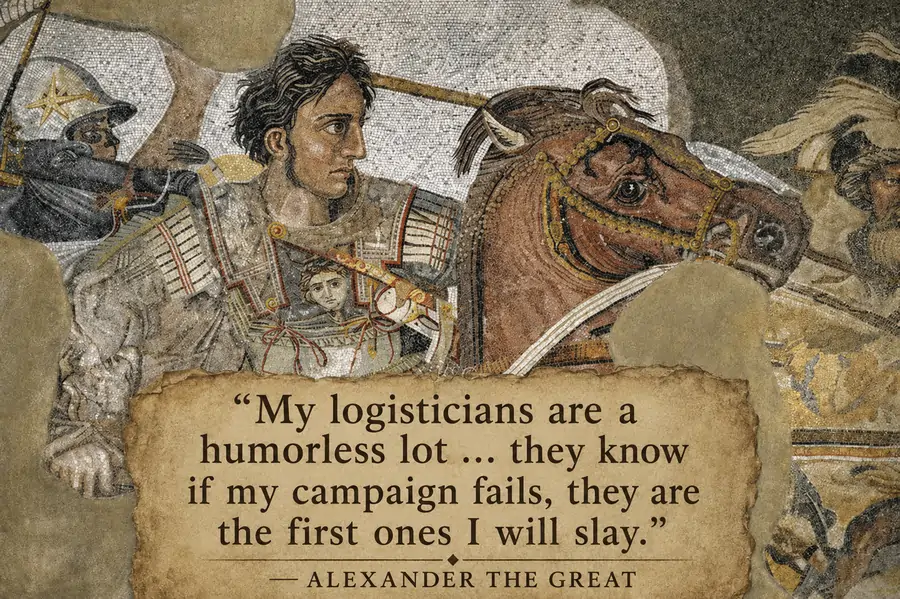
Alexander the Great conquered one of the largest empires of the ancient world. His successes were made possible not only by battlefield brilliance but also by extraordinary logistical planning. While ancient armies often collapsed from hunger, disease, exhaustion, or broken supply lines, Alexander marched from Macedonia to India. An incredible feat considering the near constant battles that his armies had to fight for over more than a decade in these major campaigns. His success depended on a lightweight, mobile army; aggressive control of supply routes and ports; strategic use of local resources; reconnaissance; engineering skill; and an exceptional ability to adapt to hostile terrain.
Modern historians frequently focus on famous victories such as the Battle of Gaugamela or the Siege of Tyre, but the huge success of Alexander's campaigns would not have been possible if not for the effective use of logistics. Donald Engels, one of the leading scholars on Macedonian military logistics, argued that Alexander's greatest achievement was sustaining operational mobility over enormous distances while preserving combat effectiveness. His logistical system became one of the foundations of his military success and helped the Macedonians mount such a large-scale campaign, becoming the dominant power of the ancient world.
Table of Contents
- Why Logistics Determined Success in Ancient Warfare
- Alexander's Lightweight and Mobile Army
- Capturing Persian Naval Bases and Securing Supply Routes
- Living Off the Land and Building Local Alliances
- Reconnaissance, Intelligence, and Terrain Awareness
- Debacle During the Gedrosian Desert Crossing
- Engineering and Siege Logistics
- The Legacy of Alexander's Military Logistics
- FAQ
Why Logistics Determined Success in Ancient Warfare
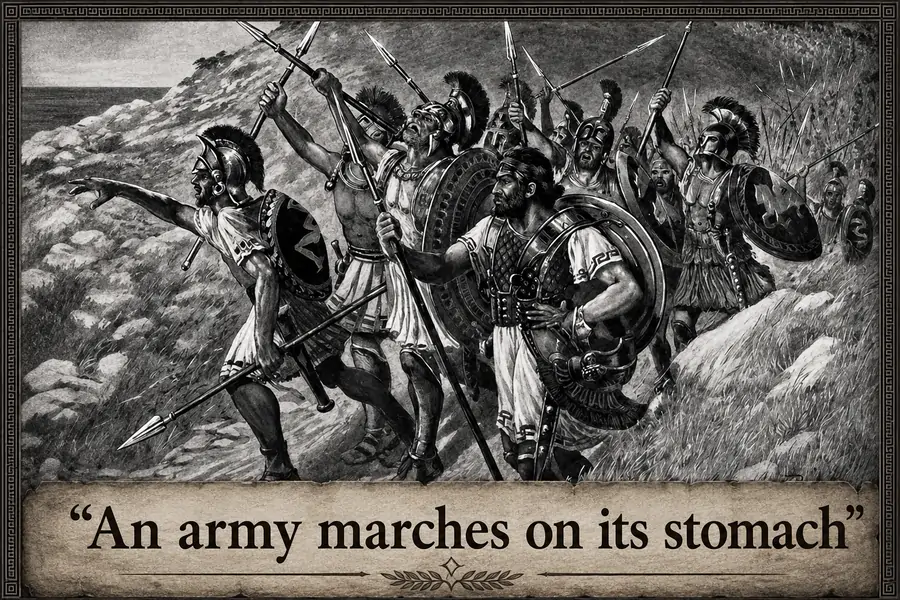
"An army marches on its stomach" is a term that best answers this question. The success of a military campaign is decided even before the armies reach the battlefield. Keeping the army well-fed, organised, and healthy requires a lot of effort and planning. Armies required massive quantities of grain, water, animal fodder, replacement weapons, medical support, and engineering equipment. A large force that lost access to food or water could disintegrate rapidly even without facing the enemy in battle.
Most ancient armies struggled with mobility because they traveled with enormous baggage trains. Persian armies in particular often moved alongside servants, luxury goods, camp followers, and heavy logistical convoys. Although they could sustain themselves, they were slowed by the slow-moving baggage train. Greek hoplite armies depended heavily on local agriculture and short campaigning seasons. This meant that they could be more mobile, but they were heavily restricted by the availability of local produce.
Alexander transformed the existing supply system. Rather than relying on slow-moving baggage trains for supplies, he prioritized operational speed, mobility, and flexibility. Historian J.F.C. Fuller observed that Alexander treated movement itself as a weapon, using rapid marches to destabilize enemy planning before battles even began. This mobility became a decisive factor during campaigns such as the Battle of Granicus, where Alexander rattled the formation of the Satrap troops before they could form up. His ability to maintain logistical momentum repeatedly allowed Macedonian forces to progress deeper into Persian territory without the risk of isolation.
Alexander's Lightweight and Mobile Army
The army that Alexander the Great inherited from his father Philip II had already undergone major reforms to improve their mobility. Slow-moving ox-drawn carts were abolished, the number of camp followers was reduced, and each soldier had to carry his own supplies, weapons, and tools. This dramatically improved the mobility and marching speed of the army. These reforms were later adopted by the Roman army as well.
Since the Macedonian soldiers carried much of their own equipment and provisions, they had less dependence on wagons and servants. Ancient historians, including Arrian, noted that Alexander enforced strict marching discipline and minimized unnecessary baggage whenever possible. He had adopted and perfected the logistical system set in place by his father.
Having reduced baggage gave major advantages over other ancient armies. Unlike armies of the era, Alexander's forces could conduct rapid marches across difficult terrain while maintaining battlefield readiness. Robin Lane Fox argued that Alexander deliberately cultivated a culture of endurance within the army, expecting his soldiers to tolerate hardships that would have broken less disciplined forces. Macedonian troops frequently marched long distances under extreme weather conditions while carrying weapons, armor, and supplies.
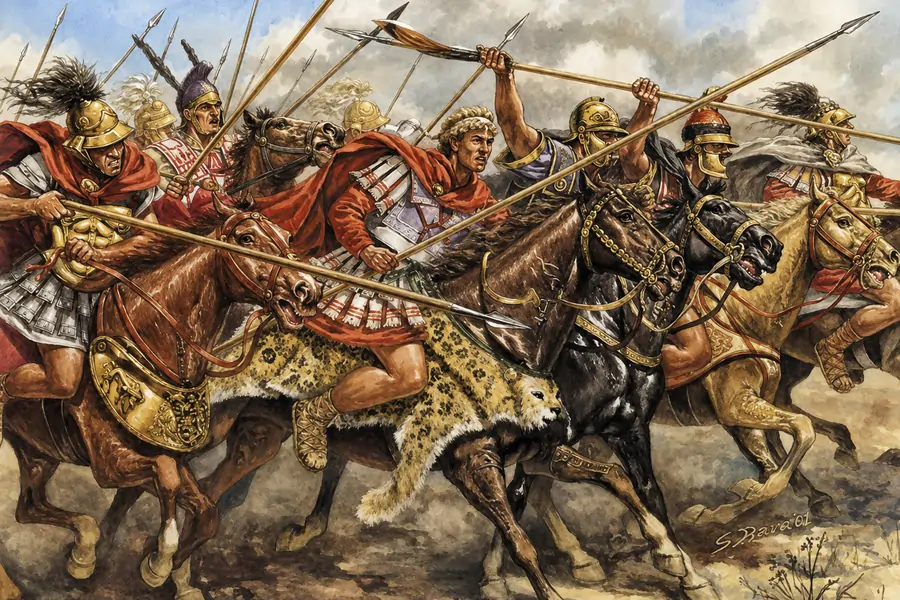
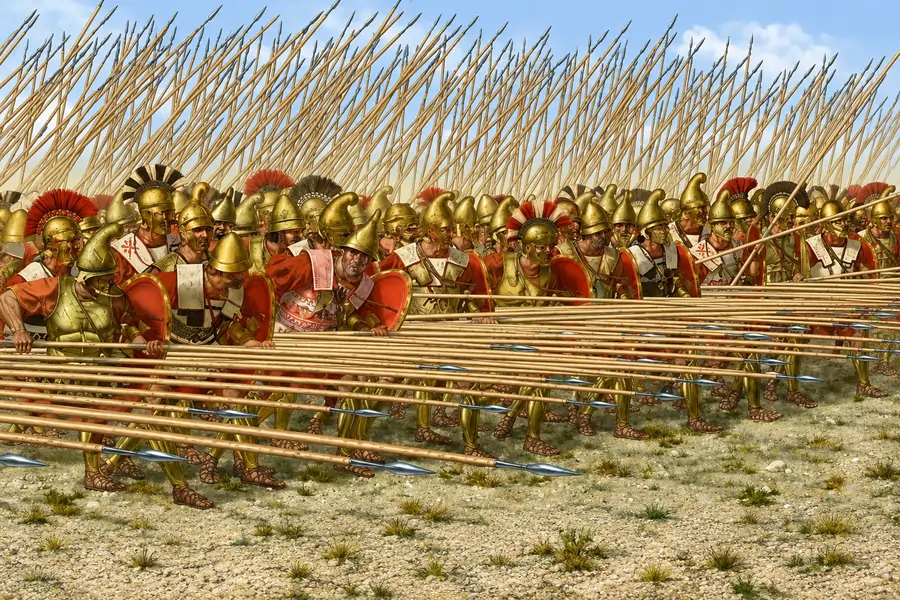
This logistical mobility also enhanced the effectiveness of elite shock troops such as the Companion Cavalry. The evolution of the Macedonian phalanx with the huge Sarissa pikes is explored further in Why the Macedonian Phalanx Was So Effective.
Capturing Persian Naval Bases and Securing Supply Routes
At the beginning of the campaign against the mighty Persian Empire, the Persians had a stronger naval presence in the Mediterranean. Campaigning deeper into Persia without dealing with the Persian fleet would have posed serious concerns for the Macedonians. The Persians could supply their troops using the port cities and could land troops behind the advancing Macedonians, and could potentially cut off their supply routes. Alexander decided to deal with the Persian navy indirectly without engaging them in combat.
As he advanced south along the Mediterranean coast, he systematically captured Persian-controlled ports and naval bases. Alexander's strategy was to gradually deprive Persia of critical supply hubs, repair facilities, and communication centers. The conquest of cities such as Miletus, Halicarnassus, and Tyre weakened Persian naval operations while simultaneously strengthening Macedonian logistics. Historian N.G.L. Hammond argued that Alexander understood that control of coastal infrastructure was essential for sustaining long-term operations deep inside Asia.
The Siege of Tyre became particularly important because Tyre served as one of the Persian Empire's strongest naval bases. Capturing the city secured eastern Mediterranean supply lines and removed a major Persian logistical center. Alexander's conquest of Egypt further improved logistical stability. Egypt's agricultural wealth provided grain supplies which were essential to sustain his long campaign, while ports such as Alexandria strengthened communication and transport networks between Macedonia and the expanding empire.
By controlling coastal supply routes, Alexander ensured that reinforcements, siege equipment, food, and military resources could move more efficiently across his empire. This was one of the most strategically intelligent logistical decisions of the entire campaign. Alexander knew he could not challenge the superior Persian navy at sea, so he captured the vital port cities along Phoenicia, Cyprus, and Egypt. The ships and crews of the captured cities were gradually absorbed into the Macedonian Empire, eventually gaining naval dominance.
Living Off the Land and Building Local Alliances
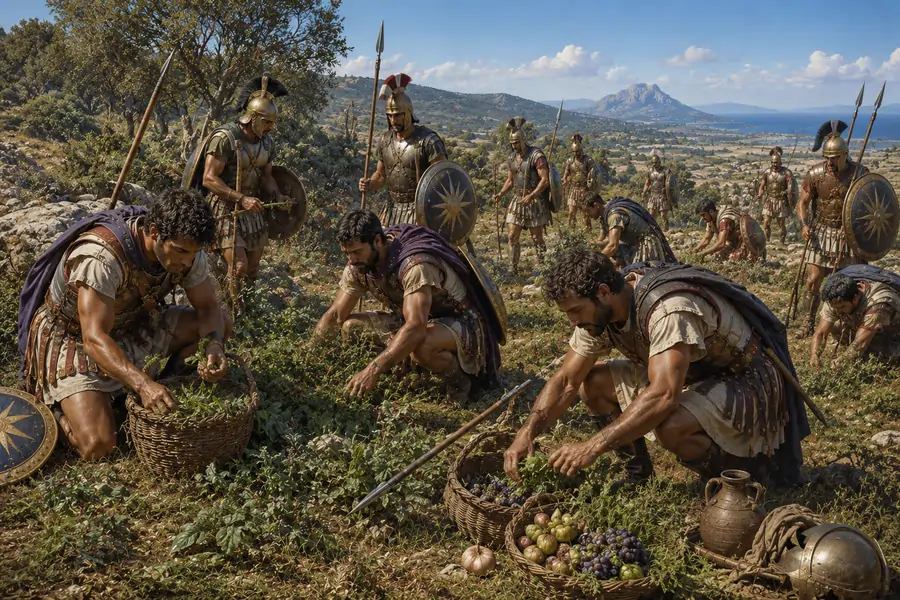
Alexander's campaigns extended across enormous distances, and during ancient times, it would have been impossible to sustain the army through a centralized supply system alone. Alexander therefore frequently relied on local crops/resources and regional alliances to support military operations. Living off the land was common in ancient warfare, but this was highly unreliable and restricted army movement. Alexander applied the strategy more systematically than many commanders. His army gathered grain, livestock, forage, and pack animals from conquered territories while also using captured Persian supply depots and ports.
Donald Engels noted that Alexander carefully timed campaigns to coincide with harvest cycles whenever possible, maximizing the availability of food and fodder. This was essential to reduce the pressure on his already stretched supply systems. However, Alexander did not rely entirely on coercion. In many regions, he negotiated alliances with local city and tribal leaders. These alliances provided the Macedonians with guides, supplies, engineering support, and intelligence in exchange for political favor.
This combination of diplomacy and military pressure allowed Alexander to sustain campaigns in territories far from Macedonia. In Egypt, for example, local populations generally viewed him as a liberator from Persian rule, crowning him as Pharaoh of Egypt. This brilliant political move made administration and provisioning significantly easier. Conditions became more difficult in Central Asia and India, where the local populations were generally hostile. The unfamiliar terrain and weather also impacted supply and provisioning. These regions required greater adaptability and more decentralized operations.
The psychological resilience of Macedonian soldiers also became increasingly important during these campaigns. Campaign fatigue, harsh climates, disease, and continuous warfare placed enormous pressure on morale. Although the Macedonians mutinied to return, this was only after a decade of continuous campaigning. The human side of ancient warfare is discussed further in Ancient Soldiers Mentality, Survival Rates, and Morale.
Reconnaissance, Intelligence, and Terrain Awareness
Alexander's efficiency in managing provisioning and military planning was heavily dependent on intelligence gathering and reconnaissance. Ancient warfare often relied on limited geographical knowledge, but Alexander consistently sought detailed information about roads, rivers, terrain, water supplies, weather conditions, and enemy movements. Plutarch mentions Alexander's obsession with logistics at a very young age, when he questioned Persian envoys about roads and the speed of the Persian King's army.
Cavalry scouts, local guides, merchants, spies, and allied rulers all contributed to Macedonian intelligence networks. Information on local geography and roads allowed Alexander to identify favorable marching routes and avoid traps. Arrian frequently described Alexander personally inspecting terrain before major engagements. At Gaugamela, for example, Alexander studied the battlefield carefully after learning the Persians had deliberately flattened the terrain for chariot operations. This allowed him to plan accordingly to counter enemy action.
Counter-reconnaissance played a major role during the Battle of the Hydaspes. Alexander deliberately moved troops along the riverbank to confuse King Porus about the actual crossing point. These deceptive movements concealed the true logistical operation until the Macedonians had already crossed the river. Historian Peter Green argued that Alexander's use of intelligence gave him a consistent operational advantage because he often possessed better information than his opponents. Having additional information on the battlefield gave Alexander the freedom to take quick, decisive decisions.
Perhaps Alexander's greatest strength was adaptability. Commanders like Darius tried to modify the terrain to suit his troops (the Battle of Gaugamela), whereas Alexander constantly adapted his strategy and planning based on geography, climate, enemy troops, and available resources. This adaptability became essential during campaigns in Bactria, Sogdiana, and India, where the Macedonians encountered unfamiliar environments and difficult terrain.
Debacle During the Gedrosian Desert Crossing
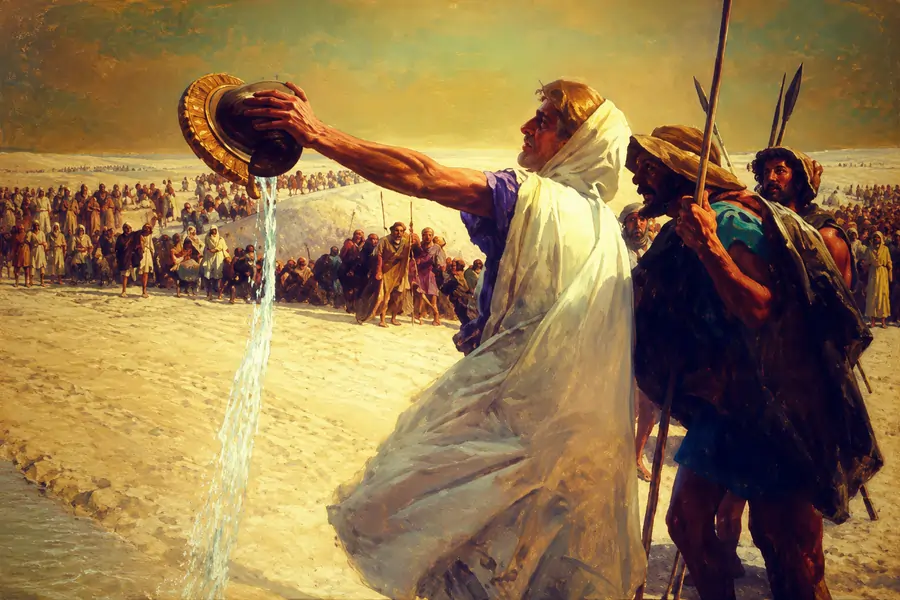
His adaptability was tested most severely during the Gedrosian Desert crossing following the Indian campaign. The region presented extreme heat, scarce water, poor navigation conditions, and limited food supplies. The Gedrosian Desert crossing is widely considered one of Alexander's greatest logistical failures. Arrian described the march as devastating, writing that large numbers of soldiers and animals perished from thirst, starvation, and exhaustion. Plutarch similarly noted that the army suffered terribly from heat and lack of water during the crossing.
Alexander marched into the desert with 30,000 to 40,000 men but lost about one-third of his army and camp followers. Despite the disaster, Alexander still attempted adaptive measures such as night marches, controlled water distribution, coastal naval coordination under Nearchus, and the use of local guides familiar with desert routes. Modern historians continue debating why Alexander chose the Gedrosian route. Some believe he wanted to surpass past rulers in securing a coastal route or support the accompanying naval expedition. Regardless of motive, the episode demonstrates one of the worst intelligence failures in Alexander's career.
Engineering and Siege Logistics
Engineering capabilities formed another essential component of Alexander's logistical success. Macedonian engineers built bridges, siege towers, roads, fortifications, ships, and artillery systems throughout the campaign. River crossings represented major logistical challenges in ancient warfare because armies were vulnerable when crossing rivers and were prone to getting attacked during the crossing. Alexander frequently used deception, reconnaissance, and rapid engineering construction to secure crossings before enemies could respond effectively. This was demonstrated in the Battle of Hydaspes, where Alexander was able to cross the river using careful deception.
Siege warfare required even more sophisticated logistical coordination. The army needed timber, artillery components, stone projectiles, and construction materials that needed to be transported across long distances. The supplies and equipment for the army should also be secured for the duration of the siege. The logistics behind ancient siege operations are explored further in How Ancient Siege Warfare Worked.
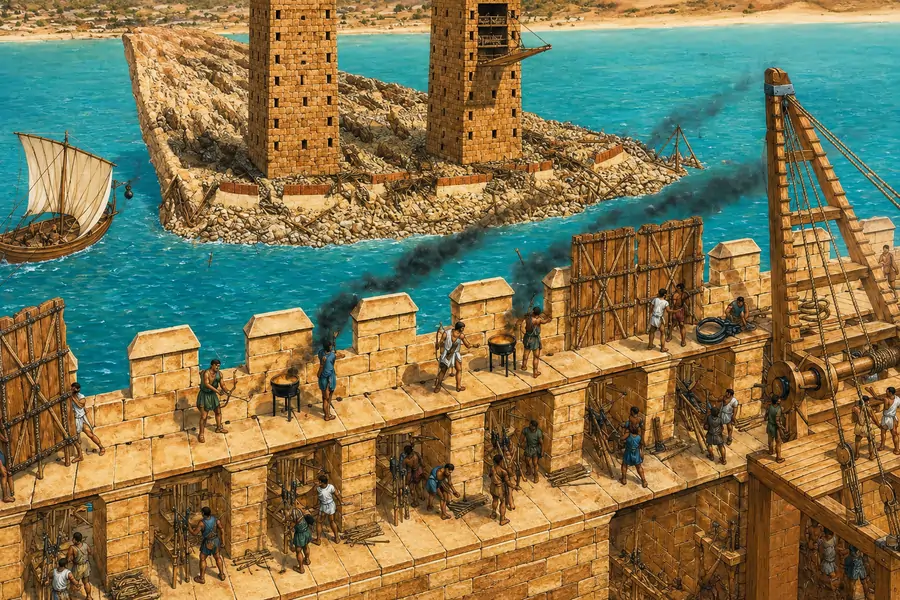
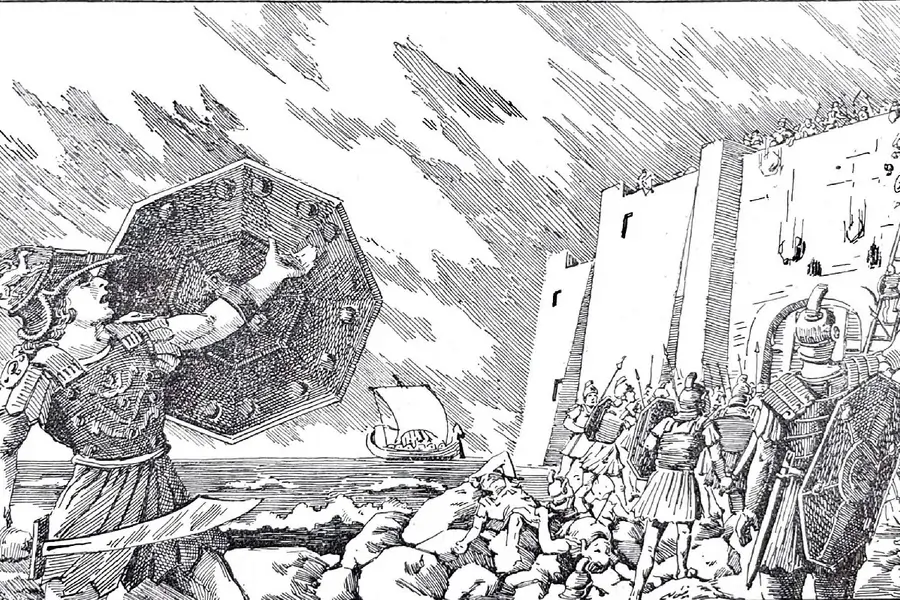
The engineering achievements at the Siege of Tyre remain among the most impressive of the ancient world. Macedonian forces constructed a massive causeway extending into the sea while coordinating naval operations. Siege towers were also pushed along the causeway to provide supporting fire to the attackers. Historian Robin Lane Fox described the Siege of Tyre as one of Alexander's greatest demonstrations of persistence and logistical creativity.
The Legacy of Alexander's Military Logistics
Logistics and troop supplies are a topic less talked about in Alexander's campaigns. However, it demonstrates the importance of logistics, mobility, intelligence, and adaptability in a successful military campaign. His military doctrine influenced later commanders for centuries. Roman generals, Hellenistic kingdoms, and even modern military theorists studied Alexander's campaigns closely because they illustrated the importance of operational coordination.
Many historians consider Alexander among the greatest military leaders in history not simply because he won battles, but because he sustained campaigns over extraordinary distances while continuously adapting to new challenges. Ultimately, Alexander succeeded because he understood that military power depended on far more than courage alone. Food supply, infrastructure, intelligence, engineering, mobility, diplomacy, and endurance all shaped the outcome of his campaigns.
More than two thousand years later, Alexander's logistical achievements remain among the most remarkable operational accomplishments in military history.
References and Sources
- Arrian, Anabasis of Alexander
- Plutarch, Life of Alexander
- Fuller, J.F.C. The Generalship of Alexander the Great
- Green, Peter, Alexander of Macedon
- Robin Lane Fox. Alexander the Great. Penguin Books, 1973.
- Donald W. Engels, Alexander the Great and the Logistics of the Macedonian Army, University of California Press, 1978.
- N.G.L. Hammond, The Genius of Alexander the Great, University of North Carolina Press, 1997.
Recommended Books
This article may contain affiliate links. If you purchase through these links, I may earn a small commission at no extra cost to you.
Related Articles
Frequently Asked Questions
How did Alexander the Great supply his army across long distances?
Alexander the Great supplied his army through a combination of local foraging, captured Persian supply depots, coastal supply routes, and alliances with regional rulers. Instead of relying entirely on long wagon trains from Macedonia, Alexander kept his army mobile and often used nearby resources to sustain campaigns across Asia.
Why was Alexander the Great's army more mobile than Persian armies?
Alexander's army was more mobile because it carried lighter baggage and required soldiers to transport much of their own equipment. Persian armies often moved with large baggage trains, servants, and luxury supplies, which slowed movement and reduced flexibility during campaigns.
How did Alexander the Great manage logistics during the Siege of Tyre?
During the Siege of Tyre, Alexander coordinated naval forces, engineers, siege equipment, and supply lines while constructing a massive causeway into the sea. Capturing Tyre also helped secure Mediterranean supply routes and weakened Persian naval logistics.
What role did reconnaissance play in Alexander the Great's campaigns?
Reconnaissance was essential to Alexander's military strategy. Scouts, cavalry patrols, guides, and local informants helped identify terrain, rivers, enemy positions, and water sources. This intelligence allowed Alexander to move quickly and avoid logistical disasters during long campaigns.
Why is the Gedrosian Desert crossing considered Alexander's greatest logistical failure?
The Gedrosian Desert crossing is considered one of Alexander's greatest logistical failures because his army suffered severe losses from heat, dehydration, starvation, and exhaustion. Historians believe Alexander underestimated the harsh environment and overextended his supply capabilities during the march.
How did Alexander the Great adapt his logistics in different environments?
Alexander adapted his logistics by changing marching schedules, using local guides, securing alliances, establishing fortified settlements, and adjusting supply methods depending on terrain and climate. His ability to adapt helped the Macedonian army survive campaigns in mountains, rivers, deserts, and unfamiliar territories.
Add Comment