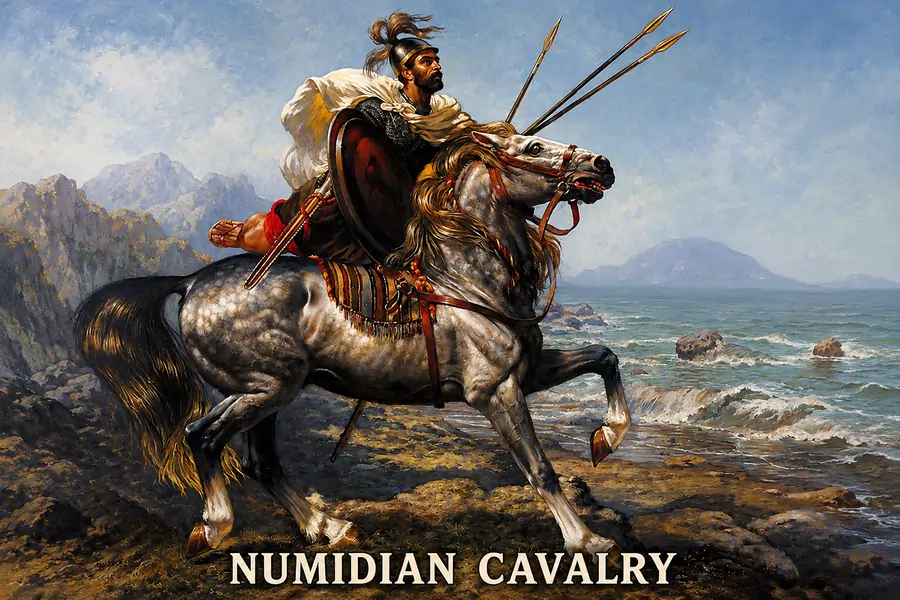
The Second Punic War was a hard-fought conflict between Rome and Carthage. There were a few political factors and Rome's successes in Spain under Scipio Africanus that helped shift the power balance. Among the many factors that shifted the balance of the war, the defection of the Numidian cavalry proved to be one of the most decisive. Fast, elusive, and exceptionally skilled horsemen, the Numidians transformed cavalry warfare during the Punic Wars. Their ability to scout, harass, ambush, pursue, and disrupt enemy formations made them one of the most feared military forces of the third and second centuries BCE. Initially fighting alongside Carthage under Hannibal Barca, the Numidians played a crucial role in some of Rome's worst defeats. Yet their later alliance with Rome proved equally decisive, helping to bring about Hannibal's downfall at the Battle of Zama. Understanding the Numidian cavalry is essential to understanding why the Second Punic War unfolded as it did and how the balance of power in the Mediterranean ultimately shifted from Carthage to Rome.
Table of Contents
- Who Were the Numidians?
- Origins and Society of the Numidian Horsemen
- Weapons, Equipment, and Armour
- The Famous Numidian Horse and Training Methods
- Tactical Role in Ancient Warfare
- Why Hannibal Relied on the Numidian Cavalry
- Numidian Cavalry at Trebia, Trasimene, and Cannae
- What Made the Numidian Cavalry So Deadly?
- Why Rome Struggled Against the Numidian Cavalry
- How the Numidians Changed Sides and Changed History
- The Numidians at the Battle of Zama
- Legacy and Historical Significance
Who Were the Numidians?
The Numidians were indigenous Berber peoples who inhabited North Africa west of Carthage. They were located primarily in what is now Algeria and parts of Tunisia. Ancient Greek and Roman writers frequently described them as exceptional horsemen whose entire culture revolved around mobility, livestock, and warfare. During the Punic Wars, Numidia was not a unified kingdom. Instead, it was divided among tribal confederations, most notably the Massylii in eastern Numidia and the Masaesyli in western Numidia. These rival groups often aligned themselves with either Rome or Carthage, depending on their political circumstances.
The strategic importance of Numidia stemmed from its cavalry. Carthage possessed wealth, naval power, and experienced commanders, but it lacked a strong citizen army. Consequently, Carthaginian generals relied heavily on allied and mercenary troops, among whom the Numidian cavalry became the most valuable.
Origins and Society of the Numidian Horsemen
Much of the Numidian population lived a semi-nomadic lifestyle, moving across open terrain where horsemanship was a daily necessity rather than a specialized military skill. This lifestyle naturally produced skilled horsemen. Ancient historian Strabo noted that Numidian boys learned to ride almost as soon as they could walk. Livestock herding, hunting, and tribal warfare created generations of riders who possessed remarkable balance, endurance, and control over their horses.
Unlike many Mediterranean armies, where cavalry formed a small elite class, horsemen were common throughout Numidian society. This produced a large pool of experienced riders available for military service. Their familiarity with difficult terrain also allowed them to conduct reconnaissance and rapid maneuvers that traditional armies often struggled to counter.
Weapons, Equipment, and Armour
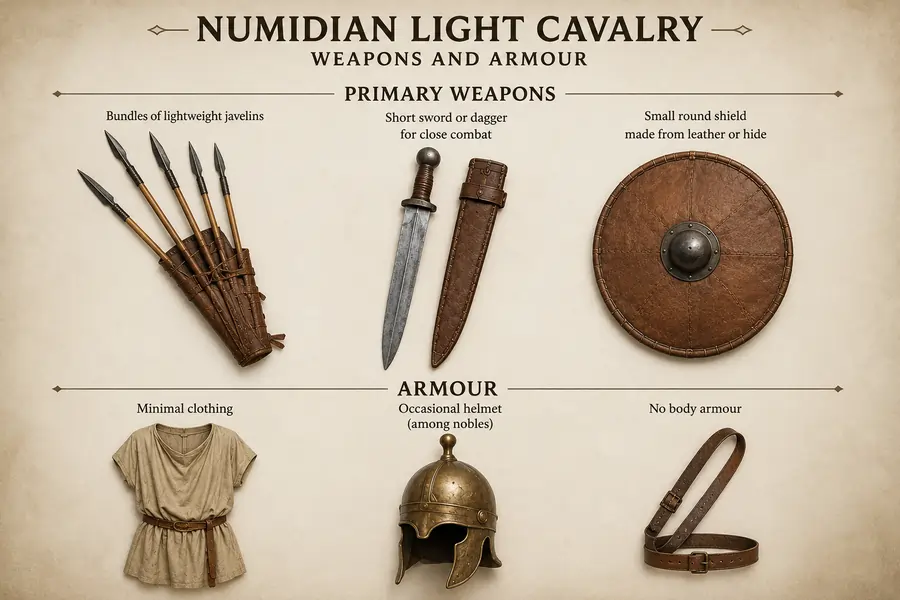
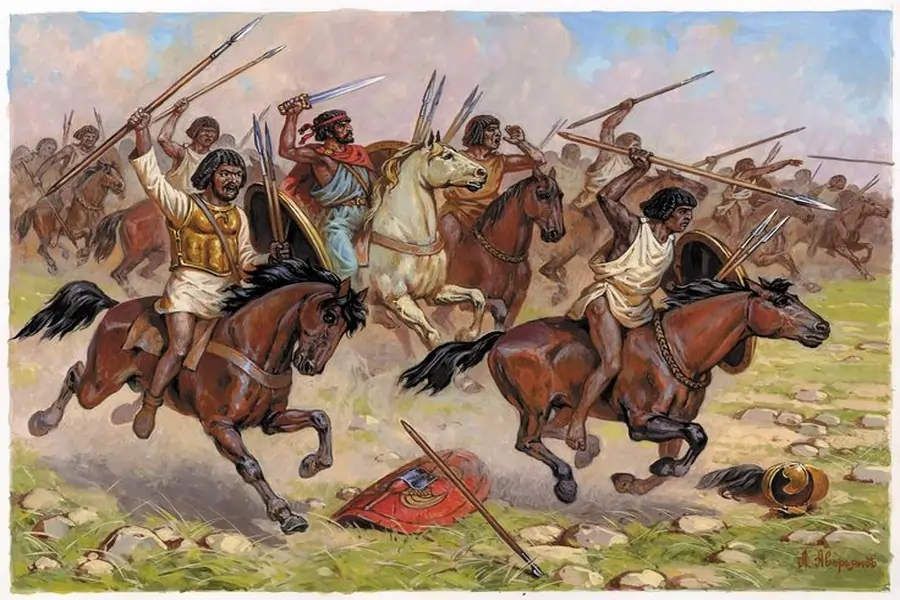
One of the defining characteristics of the Numidian cavalry was their extremely light equipment. This enabled them to be fast and nimble. However, lighter armor meant that they could not engage in a direct head-on attack.
Primary Weapons
- Bundles of lightweight javelins
- Short sword or dagger for close combat
- Small round shield made from leather or hide
Their primary offensive weapon was the javelin. Numidian riders carried several and could throw them accurately while moving at high speed. Ancient sources frequently emphasize their ability to attack without stopping or forming traditional battle lines. The javelin also allowed the light units to engage the enemy from a safe distance.
Armour
Most Numidian cavalry wore little or no body armour. Polybius describes them as lightly equipped compared with Greek, Roman, and Carthaginian cavalry. While some nobles may have worn helmets or protective garments, the average rider depended on speed rather than protection. This lack of armour reduced weight and increased maneuverability, allowing the Numidians to execute rapid tactical movements that heavily equipped cavalry could not match.
The Famous Numidian Horse and Training Methods
Ancient historians consistently praised Numidian horses. These animals were smaller than many Mediterranean warhorses but possessed exceptional endurance, agility, and responsiveness. According to Polybius, Numidian riders often controlled their horses without bridles. Instead, they used simple neck cords, subtle body movements, and vocal commands. This level of control illustrates the extraordinary bond between rider and horse.
The combination of skilled riders and highly trained mounts created a cavalry force capable of rapid directional changes, sudden withdrawals, and aggressive pursuit operations. The use of minimal armor, agile and responsive horses made the Numidian horseman represent the ideal light cavalry soldier of the ancient world.
Tactical Role in Ancient Warfare
The Numidian cavalry rarely sought direct combat against heavily armed enemy infantry or horsemen. Instead, they specialized in hit-and-run tactics. They preferred to engage the enemy at a distance and retreat before they could respond.
Key Battlefield Functions
- Reconnaissance and intelligence gathering
- Screening army movements
- Harassing enemy formations
- Ambushing isolated units
- Disrupting supply lines
- Pursuing defeated enemies
- Protecting army flanks
Rather than charging headlong into enemy lines, Numidian horsemen repeatedly approached, threw javelins, withdrew, and attacked again. This style exhausted opponents while minimizing their own casualties. Roman commanders frequently found it difficult to engage them decisively because the Numidians could disengage before heavier troops could respond. Since the Romans did not have superiority in cavalry, they found it particularly difficult to combat the nimble riders.
Why Hannibal Relied on the Numidian Cavalry
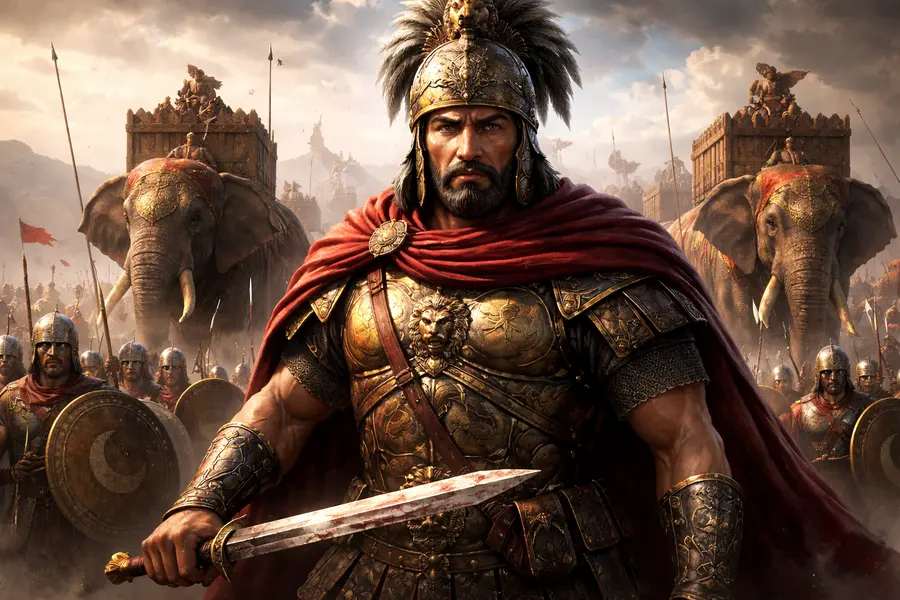
No commander understood the value of the Numidian cavalry better than Hannibal Barca. Throughout his Italian campaign, Hannibal integrated them as part of his core army. They played a significant role in nearly every major operation. Hannibal excelled at combining diverse troop types into a unified fighting force. He knew the strengths and weaknesses of all of his troops and utilised them to their maximum potential. Hannibal integrated the Numidians into a combined-arms system in which cavalry, infantry, and war elephants complemented one another rather than operating independently. The Numidians provided capabilities that no other component of his army could match. They were highly skilled and disciplined. This was essential in maintaining proper unit cohesion and following orders.
Although his Gallic cavalry was heavily armored and excellent shock troops, they were unreliable and prone to disobey orders. The Numidians, on the other hand, were organised and disciplined horsemen. This was essential for Hannibal to spring his traps on the enemy. They were excellent for rapid scouting and reconnaissance. They excelled in harassing enemy formations and exploiting gaps in the enemy formation. Their mobility also helped Hannibal maintain operational flexibility during his campaign across Italy. Even when outnumbered, he often possessed superior cavalry intelligence thanks to his Numidian allies.
For a deeper examination, see how Hannibal's cavalry dominated Rome during the Second Punic War.
Numidian Cavalry at Trebia, Trasimene, and Cannae
Battle of Trebia (218 BCE)
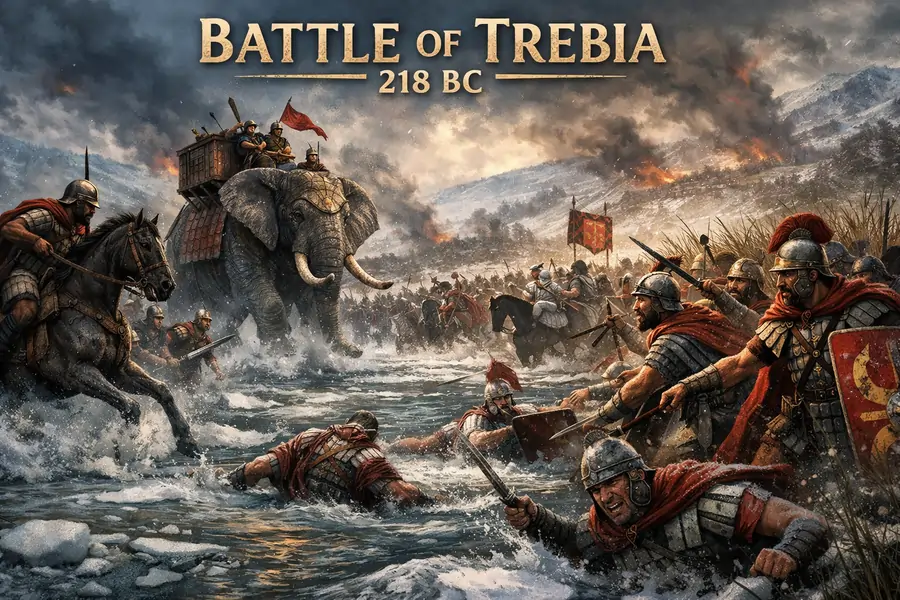
At the Battle of Trebia, Numidian cavalry was instrumental in provoking the Roman forces into an unfavorable engagement. Their harassment tactics contributed to Roman exhaustion before the main battle began. Once fighting commenced, Numidian horsemen helped secure cavalry superiority on the flanks, allowing Hannibal's larger tactical plan to unfold.
Battle of Lake Trasimene (217 BCE)
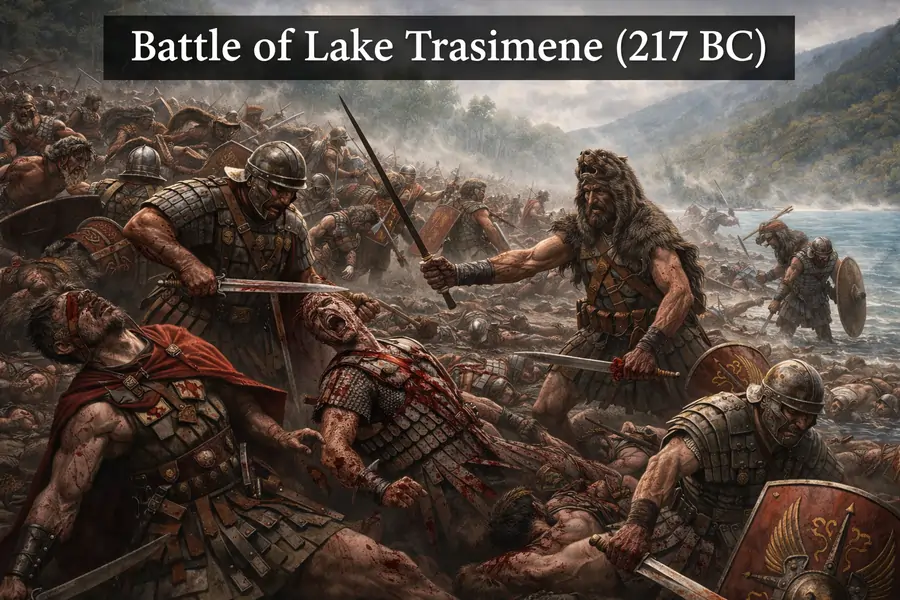
During the Battle of Lake Trasimene, Numidian cavalry participated in one of history's most successful large-scale ambushes. After the Roman army was trapped, the cavalry played a critical role in pursuit operations, ensuring that many fleeing soldiers were captured or killed. The Roman soldiers trying to escape through the lake were easy targets for the Numidians.
Battle of Cannae (216 BCE)
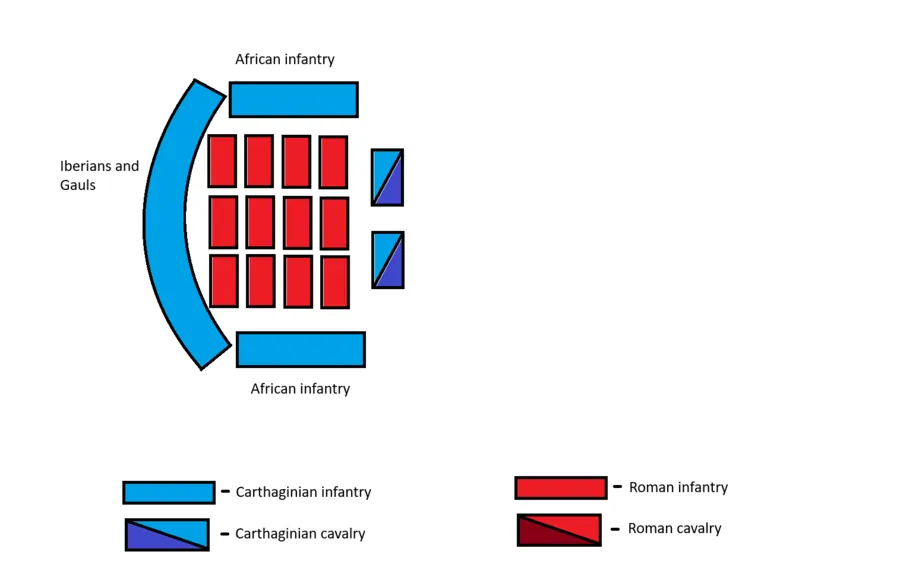
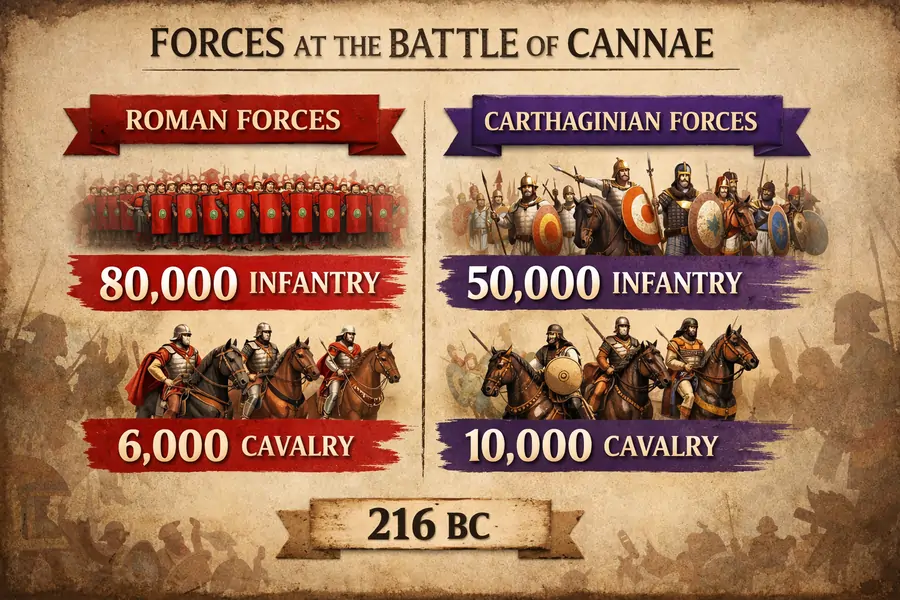
The Battle of Cannae remains the most famous example of the effectiveness of maintaining superiority in cavalry. While Hannibal's double-envelopment maneuver receives much attention, cavalry superiority was equally important. Numidian horsemen tied down Roman cavalry on one flank while Carthaginian heavy cavalry overwhelmed the other. This prevented the Roman cavalry from reinforcing the infantry at the decisive moment, allowing Hannibal's encirclement to develop without interference. Once victorious, these Numidian forces attacked the Roman infantry from the rear. This contributed directly to one of the most devastating defeats in Roman military history and secured Cannae's place among the most decisive battles in history.
What Made the Numidian Cavalry So Deadly?
Several factors combined to make the Numidians uniquely effective.
1. Superior Mobility
Their lightly equipped horses and riders could move faster and maneuver more effectively than most opponents. Against heavily armored, slow Roman troops, they were particularly effective.
2. Exceptional Horsemanship
Numidian riders spent their lives on horseback. Their skill level often exceeded that of part-time cavalry recruited and trained only for a few months.
3. Psychological Warfare
Constant harassment created frustration and fatigue among enemy troops. Roman soldiers frequently struggled to force decisive engagements against them without disrupting their formation.
4. Tactical Flexibility
They could scout, raid, pursue, screen, or fight as skirmishers depending on battlefield needs. This made them highly valuable for Hannibal.
5. Integration with Hannibal's Strategy
Hannibal's genius lay in maximizing the strengths of every component of his army. The Numidians became a force multiplier within a broader operational system. Combined with Hannibal's deception tactics and operational brilliance, the cavalry repeatedly helped offset Rome's numerical advantages.
How the Numidians Changed Sides and Changed History
Despite their importance to Carthage, Numidian loyalty was never guaranteed. The Numidians were allied to the client whom they bet on winning. They were mercenary troops and could be bought out. The turning point came through the rise of King Masinissa. Originally allied with Carthage, Masinissa eventually concluded that Rome offered a better path to power and security.
His alliance with Publius Cornelius Scipio transformed the strategic balance of the war. By joining Rome, Masinissa denied Carthage access to one of its most valuable military resources. Equally important, Rome gained the very cavalry force it had struggled against for years. The shift illustrates how important the Numidians were for the balance of power between the Romans and Carthaginians.
Why Rome Struggled Against the Numidian Cavalry
Rome's repeated difficulties against the Numidian cavalry stemmed from differences in military doctrine, training, and battlefield priorities. The Roman army was built around its disciplined heavy infantry legions, while cavalry played a largely supporting role. Roman horsemen lacked the experience, mobility, and specialized training needed to confront the highly agile Numidian riders on equal terms.
The Numidians deliberately avoided the kind of close combat that favored Roman tactics. Rather than charging into decisive engagements, they relied on hit-and-run attacks, constant harassment, and rapid withdrawals that frustrated Roman commanders. Their ability to dictate the pace of battle made it difficult for heavier Roman cavalry to force an engagement, while repeated javelin attacks gradually exhausted both soldiers and horses.
The psychological impact of these tactics was equally significant. Continuous harassment disrupted Roman formations, hindered reconnaissance, and forced commanders to remain cautious even before the main battle began. Hannibal skillfully exploited these advantages by using the Numidian cavalry to gather intelligence, conceal troop movements, protect his flanks, and lure Roman armies into unfavorable positions. Only after Rome secured the alliance of King Masinissa before the Battle of Zama did it finally gain a cavalry force capable of matching the Numidians' speed, flexibility, and battlefield effectiveness.
The Numidians at the Battle of Zama
The decisive moment of the Second Punic War came at the Battle of Zama in 202 BCE. Here, Masinissa's Numidian cavalry fought for Rome against the Carthaginians led by Hannibal. Historical texts from Polybius and Livy provide insights into how Hannibal's strategy changed due to the presence of Numidian cavalry in the enemy ranks. The Carthaginian cavalry was now outnumbered 3 to 2.
During the battle, Roman and allied cavalry drove Carthaginian horsemen from the field. Later, the enemy cavalry returned at a critical moment and attacked Hannibal's army from the rear. The result echoed the cavalry-assisted encirclement that Hannibal himself had employed at Cannae years earlier. Zama ended the Second Punic War and confirmed Rome as the dominant power of the western Mediterranean. Without Numidian support, Scipio's victory would have been far more difficult.
Legacy and Historical Significance
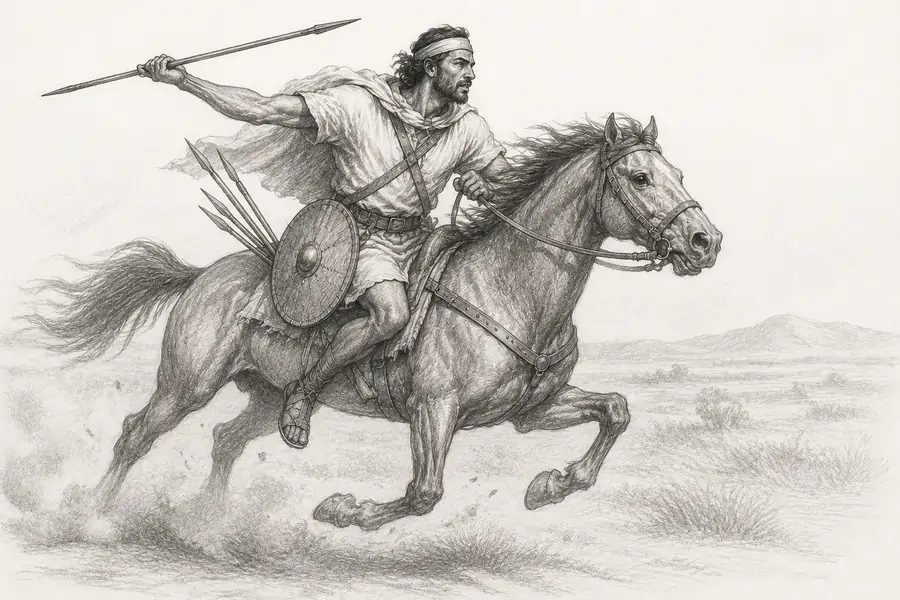
The Numidian cavalry left a lasting mark on military history. The consequences of their defection eventually led to the destruction of Carthage in the Third Punic War. Roman commanders studied Numidian tactics and increasingly incorporated light cavalry concepts into later armies. Their emphasis on mobility, reconnaissance, and harassment foreshadowed cavalry doctrines used throughout antiquity and beyond.
Many military historians regard the Numidians as one of the finest examples of ancient light cavalry. Their success demonstrated that speed, flexibility, and intelligence gathering could be just as valuable as heavily armored troops. Their influence also extended beyond tactics. The alliance shift from Carthage to Rome helped determine the outcome of one of history's most consequential conflicts. Had Numidian support remained firmly with Hannibal, the course of Mediterranean history might have unfolded very differently.
Today, the Numidian cavalry remains a central topic in studies of ancient warfare, military innovation, and the Punic Wars. In many respects, the story of the Numidian cavalry is the story of how mobility, strategy, and political alliances can shape the fate of empires.
References and Further Reading
- Polybius. The Histories, Books 3-15.
- Livy. History of Rome, Books 21-30.
- Goldsworthy, Adrian. The Punic Wars. Yale University Press.
- Hoyos, Dexter. Mastering the West: Rome and Carthage at War.
- Lazenby, J. F. Hannibal's War.
- Bagnall, Nigel. The Punic Wars: Rome, Carthage and the Struggle for the Mediterranean.
- Fields, Nic. Carthaginian Warrior 264-146 BC.
- Sidwell, Keith & Jones, Peter. The World of Rome.
- Strabo. Geographica.
Recommended Books
This article may contain affiliate links. If you purchase through these links, I may earn a small commission at no extra cost to you.


Related Articles
Frequently Asked Questions
Why did the Numidian cavalry wear little or no armor?
The Numidian cavalry wore little or no armor because their combat style depended on speed, agility, and endurance rather than direct melee combat. Light equipment allowed them to move quickly across the battlefield, throw javelins while riding, avoid enemy charges, and retreat before heavier cavalry or infantry could engage them.
How did the Numidian cavalry help Hannibal win battles?
The Numidian cavalry helped Hannibal by scouting enemy movements, protecting his flanks, harassing Roman troops with javelins, and pursuing retreating soldiers. Their mobility allowed Hannibal to gather intelligence, disrupt Roman formations, and create opportunities that contributed to victories at the Battles of Trebia, Lake Trasimene, and Cannae.
Why did the Numidian cavalry switch from Carthage to Rome?
The Numidian cavalry changed sides largely because King Masinissa formed an alliance with the Roman general Scipio Africanus. Masinissa believed that supporting Rome would strengthen his claim to rule Numidia. This alliance deprived Carthage of its finest cavalry and gave Rome a decisive advantage during the final stages of the Second Punic War.
What weapons did the Numidian cavalry use in the Punic Wars?
Numidian cavalry primarily fought with several lightweight javelins, a small round shield, and a short sword or dagger for close combat. Unlike heavily armed cavalry, they relied on repeated hit-and-run attacks rather than charging directly into enemy formations.
How did the Numidian cavalry contribute to the Battle of Zama?
At the Battle of Zama in 202 BCE, the Numidian cavalry fought alongside Rome under King Masinissa. After driving the Carthaginian cavalry from the battlefield, they returned later in the battle to attack Hannibal's army from the rear, helping Scipio Africanus secure the decisive Roman victory.
Why are the Numidian cavalry considered the best light cavalry of the ancient world?
Many historians consider the Numidian cavalry the finest light cavalry of antiquity because of their exceptional horsemanship, speed, endurance, and tactical flexibility. Their ability to scout, harass enemy armies, protect flanks, and exploit victories made them one of the most effective mounted forces during the Punic Wars and influenced later Roman cavalry tactics.
Add Comment