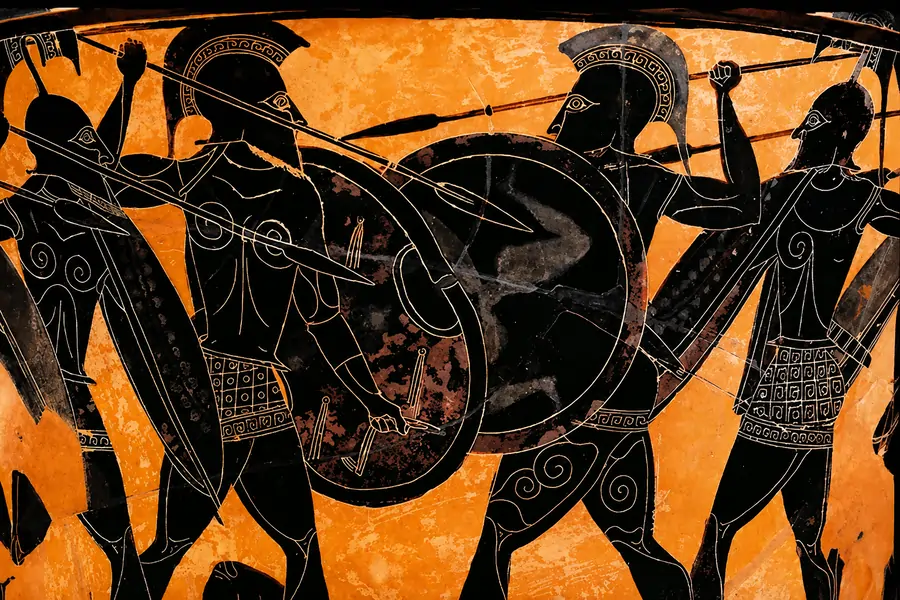
The Peloponnesian War (431-404 BCE) was one of the most famous and influential conflicts in ancient Greek history. Fought between the mighty Athens and Sparta along with their respective allies, the war transformed the Greek world, shattered Athenian power, and paved the way for future powers such as Macedon. Let us now dive deep into the origins of the conflict, the formation of the Delian and Peloponnesian Leagues, the significant battles that shaped the war, and analyse the causes for the eventual fall of Athens.
Table of Contents
- Overview
- Prelude to War
- Delian League and Peloponnesian League
- Objectives, Strengths and Weaknesses
- Rise and Fall of Pericles
- The Plague of Athens
- The Archidamian War
- The Sicilian Expedition
- The Decelean (Ionian) War
- Why Athens Lost
- Why Sparta Won the Peloponnesian War
- Aftermath and Legacy
- References
Overview of the Peloponnesian War
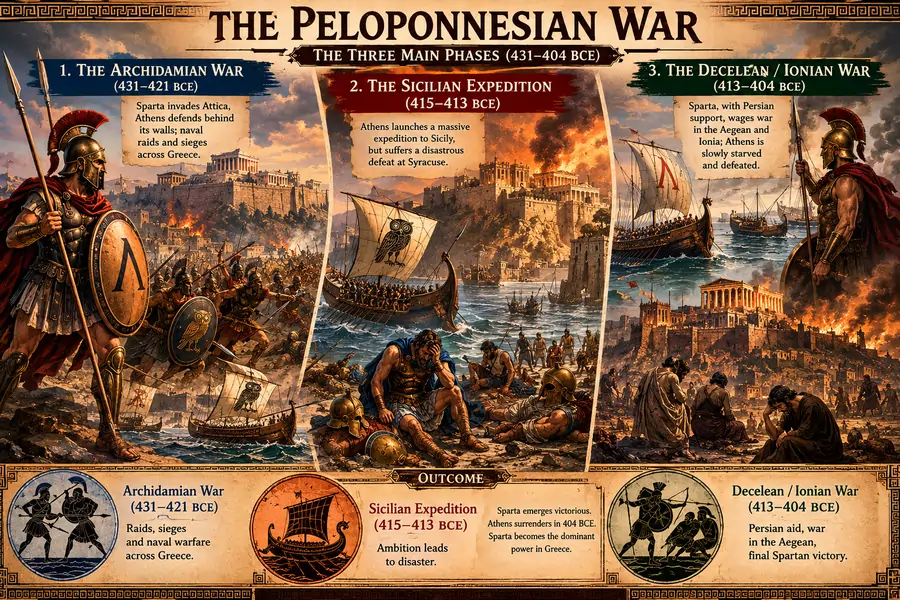
The Peloponnesian War was fought between the Athenian Empire and Sparta's alliance network. Historian Thucydides argued that the underlying cause was Sparta's fear of the growing power of Athens, which had formed the Delian League following the defeat of the Persian invasion force. The growth of the Delian League created what modern historians often call a security dilemma. As Athens strengthened its empire to improve its own security, Sparta increasingly viewed that expansion as a threat to its position in Greece. The conflict lasted nearly three decades and is often studied as a classic example of rivalry between a dominant land power and a maritime empire. The war can be divided into three major phases:
- The Archidamian War (431-421 BCE),
- The Sicilian Expedition (415-413 BCE), and
- The Decelean or Ionian War (413-404 BCE).
Prelude to the Conflict
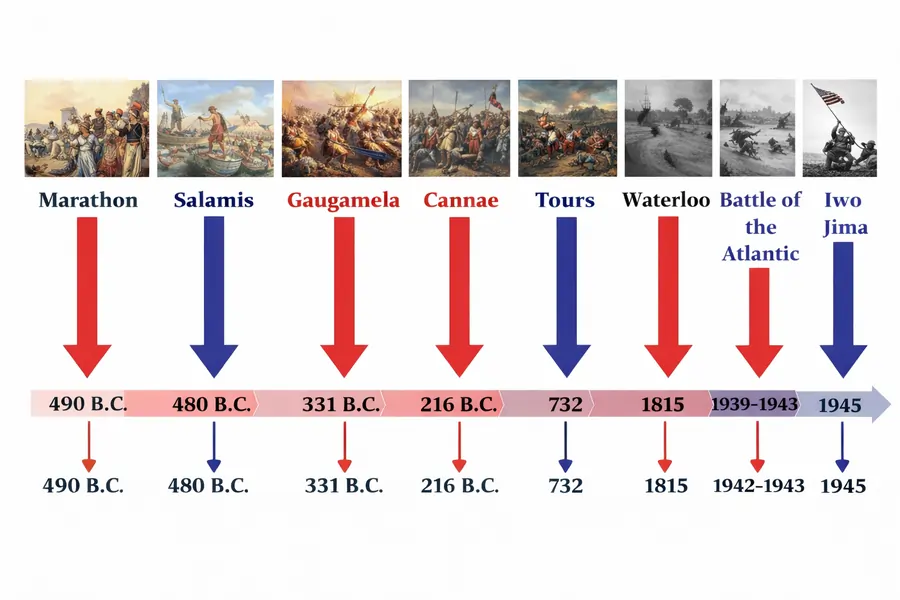
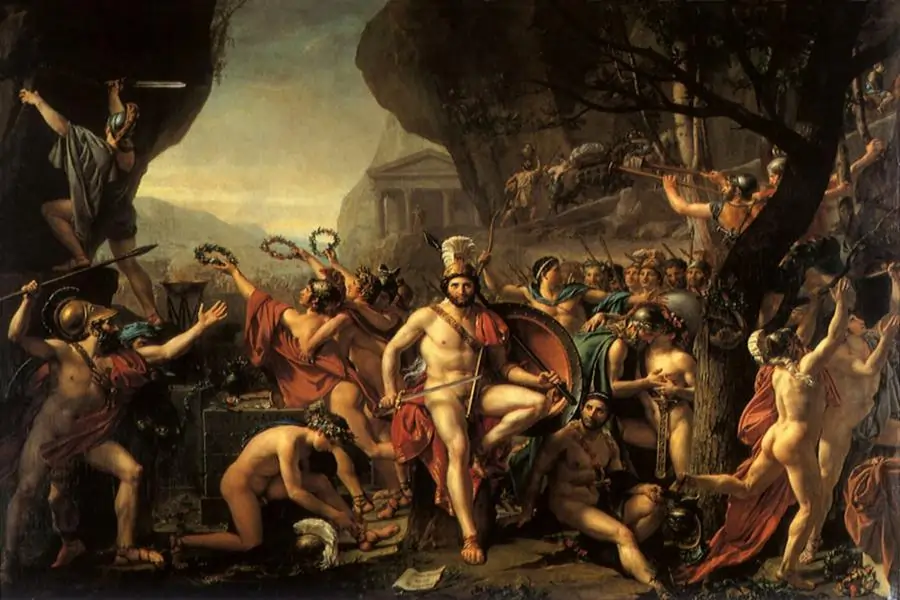
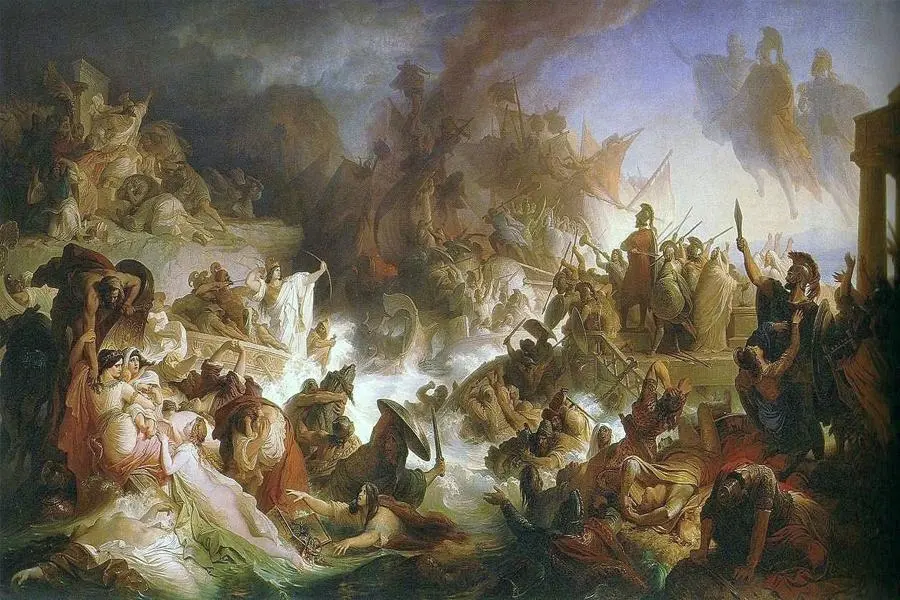
Following the Greek victory over Persia in the early fifth century BCE, Athens emerged as the leading naval power of the Greek world. The victories celebrated in battles such as Marathon and Salamis elevated Athens to unprecedented prestige. Athens became the dominant power in Greek politics and was hailed as the face of the Greek alliance against Persia.
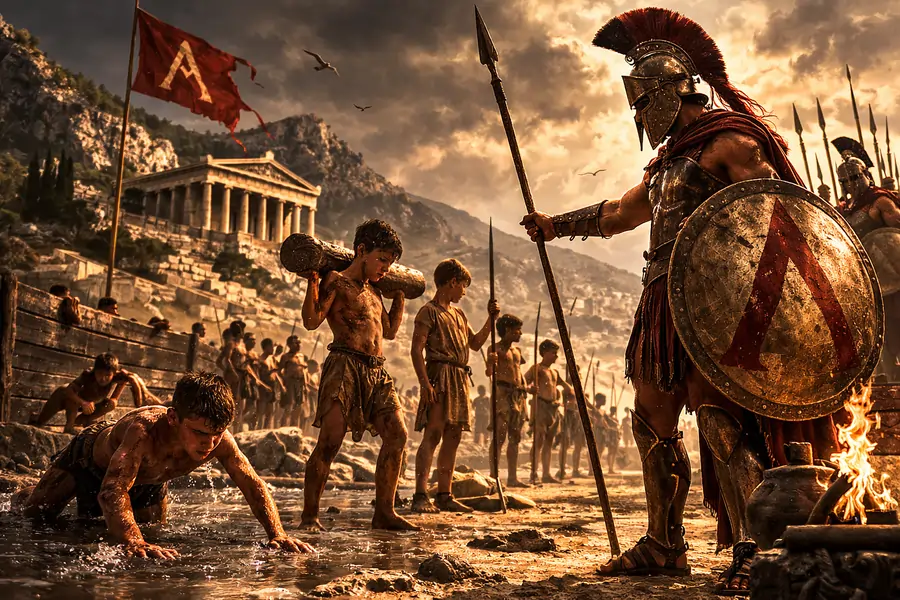
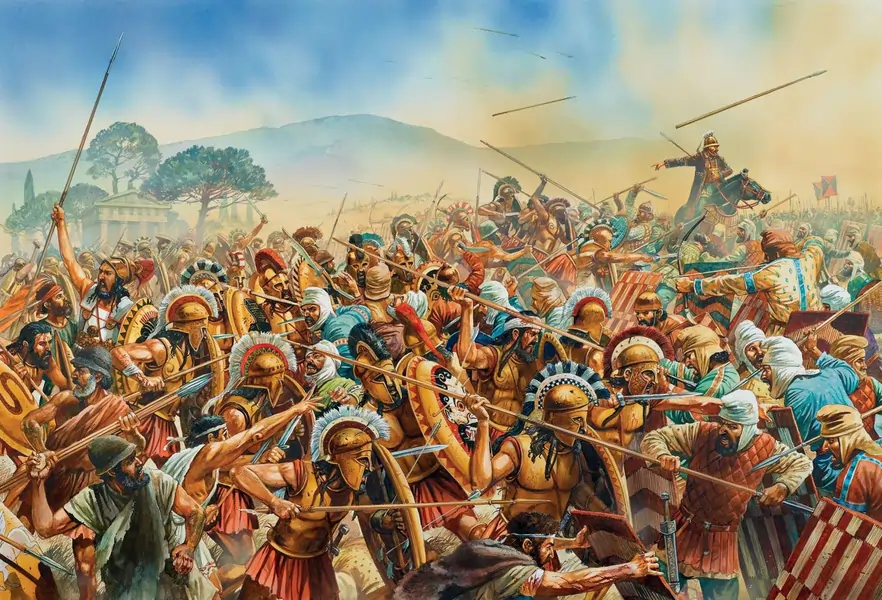
Meanwhile, Sparta remained the dominant military power on land. The Spartan hoplites were dominant in battle and were feared across the Greek world. After the defeat of Persia, the uneasy alliance between these two powers gradually deteriorated. Disputes involving Corinth, Corcyra, Potidaea, and economic sanctions against Megara deepened tensions and convinced many Spartans that Athens had become too powerful.
The Delian League and the Peloponnesian League
The Delian League was established in 478 BCE as an alliance against Persia. They followed democracy as the government model, and member states were coerced into adopting it. Member states contributed ships or tribute to the alliance in support of its efforts to liberate Ionian Greeks from Persian rule. Over time, Athens transformed the alliance into an empire for their personal use. Tribute payments funded the Athenian navy and ambitious building projects. Athens gradually transformed the Delian League into an empire dominated by Athenian interests.
The Peloponnesian League, led by Sparta, was a defensive alliance of Greek city-states. They followed Oligarchy predominantly due to a small elite class. Unlike the Delian League, Sparta generally allowed allies greater autonomy, which prompted many cities to support Sparta in response to Athenian imperialism. The league's strength rested on Sparta's reputation and military dominance. While Athens dominated the seas, the Spartans dominated on land.
By the outbreak of war, Greece was effectively divided into two rival power blocs.
Objectives, Strategies, Strengths and Weaknesses
| Category | Athens | Sparta |
|---|---|---|
| Objectives |
|
|
| Strengths |
|
|
| Weaknesses |
|
|
The Rise and Fall of Pericles
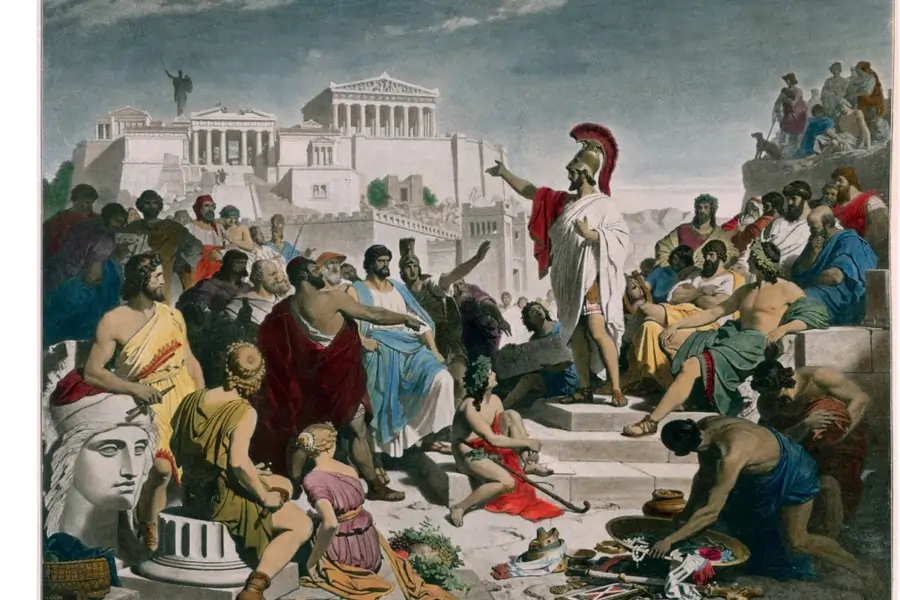
Pericles was the dominant statesman of Athens during the decades preceding the war. He strengthened democracy, expanded Athenian influence, and oversaw major building projects, including the Parthenon. Athens entered a Golden Age of prosperity under his rule.
His wartime strategy was cautious. Rather than confronting Sparta directly on land, he advised Athenians to remain behind the Long Walls and avoid confronting the elite Spartan troops during the campaign season. They would then rely on naval superiority to shift the course of the war. Although strategically sound, the policy forced rural populations into crowded urban conditions. This decision indirectly contributed to one of the greatest disasters in Athenian history.
The Plague of Athens
In 430 BCE, a devastating plague struck Athens. The disease spread rapidly among the overcrowded population and killed a significant portion of the city's inhabitants. The epidemic wiped out 25% to 33% of the population of Athens. Morale collapsed as people believed that the Gods had abandoned them and were aiding the Spartans. Law and order broke down in the city.
Thucydides, who survived the epidemic, described its horrific symptoms in detail. The plague destroyed morale, weakened military manpower, disrupted governance, and undermined confidence in leadership. Pericles himself died during the outbreak in 429 BCE. His death deprived Athens of a capable leader and opened the door for more aggressive and less disciplined political figures.
The Archidamian War (431-421 BCE)
Named after King Archidamus II of Sparta, the first phase of the war began with annual Spartan invasions of Attica. While Spartan armies ravaged the countryside, Athens avoided major land engagements and hid behind their long walls. They then launched naval raids around the Peloponnese. Several important events shaped this phase:
- The Plague of Athens (430-426 BCE)
- Athenian successes at Pylos and Sphacteria
- Campaigns led by Brasidas in northern Greece
- The Battle of Amphipolis (422 BCE)
Following heavy losses on both sides, the Peace of Nicias was signed in 421 BCE. The agreement temporarily halted major fighting but failed to resolve the underlying rivalry between the two powers.
The Sicilian Expedition (415-413 BCE)
The Sicilian Expedition stands among the most disastrous military campaigns in history and deserves mention alongside many of the most decisive conflicts in history. While Sparta was cautious and concentrated its forces in defending the Peloponnese, Athens expanded their influence aggressively. They launched a massive expedition against Syracuse in Sicily. Advocates such as Alcibiades argued that success would bring immense wealth and strategic advantages.
The ambitious campaign quickly fell apart. Alcibiades defected, which sabotaged his country's campaign and gave the strategic edge to the Spartans. Alcibiades was framed by his political rivals and accused of vandalising sacred stone statues of the god Hermes. He was then supposed to be arrested and brought back to face a death sentence. Believing the charges were politically motivated, he escaped and shifted his support to Sparta. Thucydides mentions Alcibiades's speech to the Spartans, where he justifies his betrayal. (Thucydides, 6.89-92)
Alcibiades provided the plans for the Athenian campaign. Spartan advisors aided Syracuse, and Athenian commanders became trapped in a prolonged siege. In 413 BCE, the expedition ended in catastrophe. The Athenian fleet was destroyed, and thousands of soldiers were killed or captured. The loss permanently weakened Athens and dented its naval dominance.
The Decelean (Ionian) War (413-404 BCE)
Following the Sicilian disaster, Sparta adopted a more aggressive strategy. Following the advice of Alcibiades, Spartan forces occupied Decelea in Attica, creating a permanent military fort. This essentially cut off Athens' silver mines and farming produce.
More importantly, Sparta secured Persian financial support. Although the Greeks hated Persia, they were desperate enough to defeat Athens. Persian gold enabled Sparta to build a navy capable of challenging Athens at sea in exchange for control over Greek cities in Asia Minor.
One Athenian ally after another revolted. Athens managed several temporary recoveries, but its resources steadily declined. The decisive moment came at the Battle of Aegospotami in 405 BCE when Spartan commander Lysander destroyed most of the Athenian fleet. Without naval control, Athens could no longer import grain or maintain its empire. The city surrendered in 404 BCE.
Why Did Athens Lose the Peloponnesian War?

Athens did not lose because of a single battle or decision. Rather, a combination of strategic, political, economic, and military factors gradually eroded its advantages.
First, the Plague of Athens dramatically reduced manpower and removed Pericles from leadership. Second, the Sicilian Expedition consumed enormous resources and ended in disaster. The betrayal of Alcibiades shifted the power balance in favour of the Spartans. Third, internal political divisions undermined a consistent strategy. Athenian aggression on city-states that tried to leave the league and forced tribute payments pushed many of them away from Athens.
Fourth, Sparta adapted effectively. With Persian financial assistance, Sparta built a fleet capable of challenging Athenian naval supremacy. Fifth, repeated revolts among Athenian allies reduced revenue and weakened imperial cohesion. Finally, the defeat at Aegospotami eliminated Athens' greatest strength-its navy. Once maritime dominance was lost, the city's position became untenable.
Why Sparta Won the Peloponnesian War
Sparta's victory in the Peloponnesian War emerged from its ability to adapt its strategy while Athens gradually exhausted its military, economic, and political resources. Although Athens possessed the strongest navy in Greece and immense wealth from its empire, a series of setbacks steadily eroded these advantages over the course of the conflict.
Persian Financial Support
One of the most important factors behind Spartan success was Persian financial assistance during the later stages of the war. Persian gold enabled Sparta to construct and maintain a powerful navy capable of challenging Athenian dominance at sea. Without this funding, Sparta would have struggled to compete against Athens' superior maritime resources. The alliance gave Sparta access to the ships, crews, and supplies necessary to sustain prolonged naval operations.
Spartan Strategic Adaptation
At the beginning of the war, Sparta's military strength lay almost entirely in its hoplite infantry. Recognizing that Athens could not be defeated through land campaigns alone, Spartan leaders gradually adapted their strategy. They invested in naval warfare, supported revolts among Athenian allies, and targeted Athens' economic foundations rather than relying solely on traditional invasions of Attica.
The Occupation of Decelea
In 413 BCE, Sparta established a permanent fort at Decelea in Attica on the advice of Alcibiades. This proved to be one of the most damaging blows against Athens. The occupation disrupted agricultural production, denied Athens access to important silver mines, and forced the Athenians to keep large numbers of troops on constant defensive duty. The economic strain further weakened Athens at a time when it was already recovering from the disaster in Sicily.
Exploiting Athenian Mistakes
Sparta benefited greatly from a series of Athenian errors. The Sicilian Expedition consumed vast resources and ended with the destruction of a major Athenian fleet and army. Internal political divisions led to inconsistent leadership and strategic disagreements. Sparta successfully capitalized on these setbacks, transforming Athenian weaknesses into opportunities for military and diplomatic gains.
Leadership and the Victory at Aegospotami
Spartan commander Lysander played a decisive role in the final phase of the war. Through diplomacy, Persian support, and effective naval leadership, he rebuilt Spartan naval power and eventually trapped the Athenian fleet at the Battle of Aegospotami in 405 BCE. The destruction of most of Athens' remaining ships eliminated its ability to protect trade routes, import grain, and maintain control of its empire. Without naval supremacy, Athens could no longer continue the war.
Superior Endurance
Ultimately, Sparta won because it proved more resilient in a prolonged conflict. The Spartans adapted their strategy, secured crucial allies, exploited Athenian mistakes, and gradually dismantled the foundations of Athenian power. By the end of the war, Athens had lost its fleet, its empire, and much of the economic strength that had once made it the dominant power in the Greek world.
Aftermath and Legacy
The Spartan victory in 404 BCE brought an end to the Athenian Empire and established Sparta as the dominant power in Greece. Athens was forced to surrender its fleet, dismantle its Long Walls, and accept a Spartan-backed oligarchic government known as the Thirty Tyrants. Although democracy was eventually restored in Athens, the city never fully regained the political and military dominance it had enjoyed during the height of its empire.
Despite its victory, Sparta struggled to maintain control over the Greek world. Many former allies soon became dissatisfied with Spartan leadership, and new conflicts erupted across Greece. The Corinthian War (395-387 BCE) and later conflicts involving Thebes demonstrated that Sparta lacked the resources necessary to sustain long-term hegemony. The Greek city-states remained divided, weakened, and increasingly exhausted by decades of warfare.
The long-term consequences of the Peloponnesian War extended far beyond the rivalry between Athens and Sparta. The conflict drained manpower, weakened economies, disrupted trade networks, and fostered deep political instability throughout Greece. This fragmentation created an opportunity for the Kingdom of Macedon to rise under Philip II. Through military reforms and diplomatic skill, Philip exploited the divisions among the Greek city-states and eventually brought much of Greece under Macedonian influence after the Battle of Chaeronea in 338 BCE.
The military innovations of Macedon, particularly the Macedonian phalanx, and the later conquests of Alexander the Great would reshape the eastern Mediterranean and spread Greek culture across a vast empire. In many ways, the Peloponnesian War marked the end of the Classical Greek balance of power and laid the foundations for the Hellenistic Age.
The Peloponnesian War remains one of history's most studied conflicts. Its lessons on strategic competition, alliance politics, leadership, overextension, economic warfare, and the dangers of prolonged conflict continue to influence historians, military theorists, and political leaders today.
References and Further Reading
- Thucydides. History of the Peloponnesian War.
- Xenophon, Hellenica.
- Kagan, Donald. The Peloponnesian War.
- Hornblower, Simon. The Greek World 479-323 BCE.
- Lazenby, J. F. The Peloponnesian War: A Military Study.
Recommended Books
This article may contain affiliate links. If you purchase through these links, I may earn a small commission at no extra cost to you.
Related Articles

Frequently Asked Questions
Why was the Peloponnesian War fought between Athens and Sparta?
The Peloponnesian War was fought because of growing tensions between Athens and Sparta after the Persian Wars. Athens expanded its influence through the Delian League and built a powerful maritime empire, while Sparta viewed this growth as a threat to the balance of power in Greece. Disputes involving allied city-states and competing political interests eventually led to open conflict in 431 BCE.
How did the Delian League contribute to the Peloponnesian War?
The Delian League began as a defensive alliance against Persia but gradually became an Athenian empire. Athens used league tribute to strengthen its navy and fund major projects, while many member states lost their independence. Sparta and its allies became increasingly concerned about Athenian dominance, making the Delian League one of the major causes of the Peloponnesian War.
What impact did the Plague of Athens have on the Peloponnesian War?
The Plague of Athens severely weakened the city during the early years of the war. It killed thousands of citizens, soldiers, and sailors, including the statesman Pericles. The epidemic reduced military manpower, damaged public morale, disrupted government operations, and weakened Athens' ability to sustain a long conflict against Sparta.
Why was the Sicilian Expedition a turning point in the Peloponnesian War?
The Sicilian Expedition was a turning point because Athens committed a massive fleet and army to conquer Syracuse in Sicily but suffered a catastrophic defeat. The loss destroyed much of Athens' military strength, depleted financial resources, and encouraged revolts among allied states. Many historians consider it the single greatest strategic mistake of the war.
How did Persia help Sparta win the Peloponnesian War?
Persia provided Sparta with financial support during the later stages of the conflict. Persian funding enabled Sparta to build and maintain a powerful fleet capable of challenging Athenian naval supremacy. This assistance played a crucial role in Sparta's victory, particularly during the Decelean or Ionian War.
What were the long-term consequences of the Peloponnesian War for Greece?
The Peloponnesian War exhausted both Athens and Sparta and weakened the Greek city-state system as a whole. Although Sparta emerged victorious, its dominance was short-lived. Continued conflicts among Greek states created opportunities for Macedon to rise under Philip II and later Alexander the Great, ultimately transforming the political landscape of the ancient Mediterranean.
Add Comment