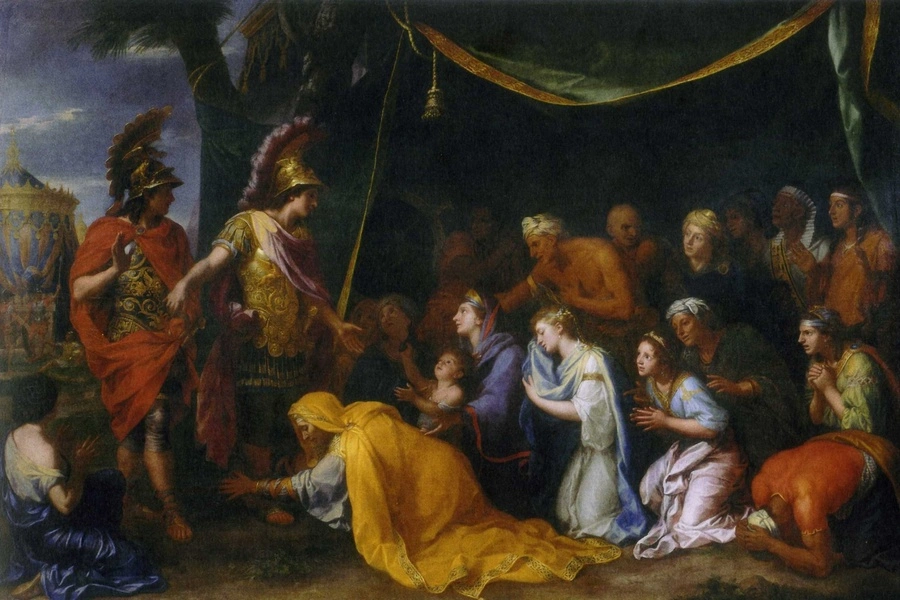
After the Battle of Issus in 333 BC, Alexander the Great captured the family of his greatest enemy, the Persian king Darius III. Instead of treating them as prisoners or using them as bargaining tools, Alexander showed extraordinary respect toward Darius' mother, wife, daughters, and young son. His actions surprised both the Greek and Persian worlds, strengthened his claim as the legitimate King of Asia, and helped shape one of the most enduring stories of his character. This article explores the events that led to the capture of the Persian royal family, Alexander's treatment, the unique relationship he developed with Darius' mother Sisygambis, what these events reveal about his leadership, and what ultimately became of Darius' family after Alexander's death.
Table of Contents
- Alexander and Darius Before Issus
- Who Was Captured After the Battle of Issus?
- How Alexander Treated Darius' Family
- Alexander and Sisygambis: A Unique Royal Relationship
- Why Alexander Showed Mercy
- How Unusual Was Alexander's Mercy?
- What Alexander's Actions Reveal About His Character
- What Happened to Darius' Family After Alexander's Death?
- The Historical Legacy of Alexander's Treatment of Darius' Family
- References
Alexander and Darius Before Issus
When Alexander the Great crossed into Asia in 334 BC, his objective was initially presented as a campaign of revenge against Persia for the invasions of Greece. However, as his victories accumulated, his ambitions expanded dramatically. Rather than merely defeating the Persian Empire, he increasingly sought to replace it.
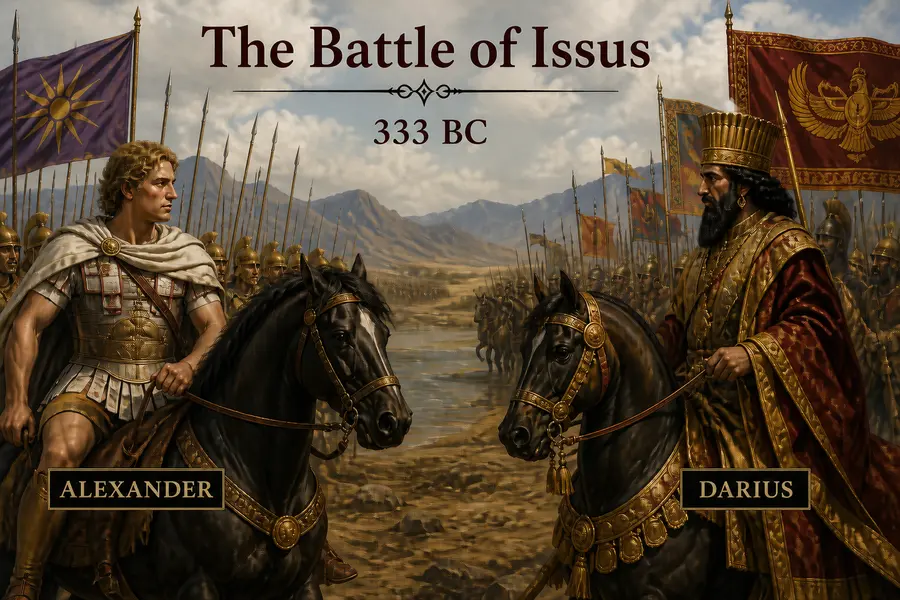
His first major victory came at the Battle of the Granicus River, where he defeated the Persian satraps of Asia Minor and opened the gateway into the empire. Determined to stop the Macedonian advance, King Darius III personally assembled one of the largest armies in the ancient world. Their first meeting occurred in 333 BC at the Battle of Issus, one of the most decisive engagements in military history and a battle that transformed the fate of the Persian royal family.
Who Was Captured After the Battle of Issus?
The Battle of Issus ended in a complete Persian defeat. As Alexander's Companion Cavalry smashed through the Persian center, Darius abandoned the battlefield in his chariot before escaping on horseback. His sudden flight caused panic throughout the Persian army, leading to its collapse. In the abandoned royal camp, Alexander discovered that much of Darius' immediate family had been left behind.
| Member of Darius' Family | Relationship | Captured? |
|---|---|---|
| Sisygambis | Darius' mother | Yes |
| Stateira I | Darius' wife | Yes |
| Stateira II | Daughter | Yes |
| Drypetis | Daughter | Yes |
| Ochus | Young son | Yes |
These were not ordinary prisoners. They represented the heart of the Achaemenid royal dynasty. In most ancient wars, the capture of a defeated king's family often resulted in enslavement, ransom, humiliation, or execution. Instead, Alexander responded in a way that astonished contemporaries.
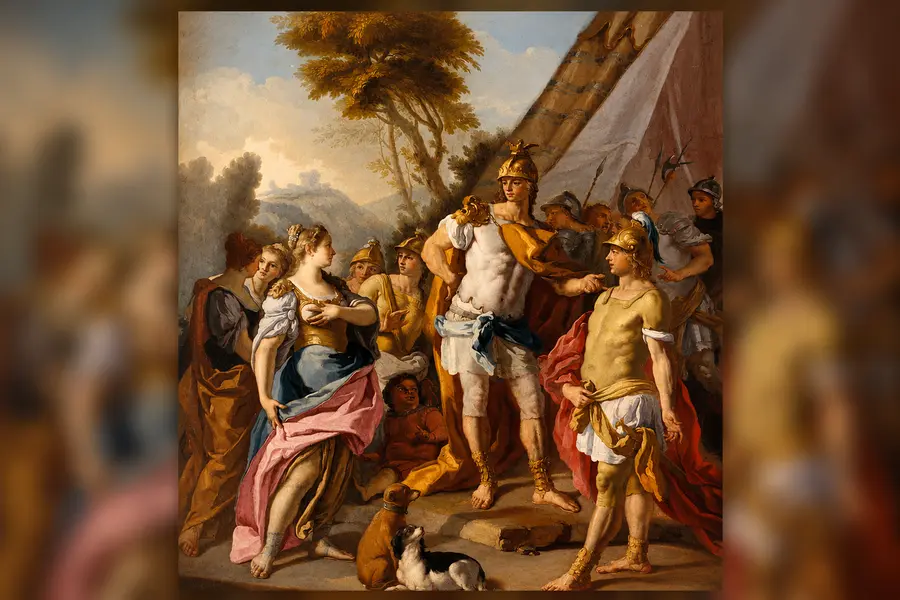
According to Arrian (Anabasis II.12), Curtius Rufus (History of Alexander III.12), and Plutarch (Life of Alexander 21), the Persian women initially believed Darius had been killed because they heard Macedonian celebrations after the battle. Alexander personally sent messengers to reassure them that Darius was alive and that they would not be harmed. Instead of allowing the Persian royal family to suffer in uncertainty, he acted swiftly to comfort them, demonstrating a rare combination of magnanimity, self-restraint, and respect for royal dignity that impressed even ancient historians.
How Alexander Treated Darius' Family
Alexander ordered that the Persian royal family should continue living with the dignity expected of royalty. Their attendants remained with them, their household organization was preserved, and they retained access to their possessions. Most importantly, Alexander forbade any insult or mistreatment.
Ancient writers repeatedly emphasize that Alexander never exploited the women as trophies of war. Although Stateira was renowned for her beauty, several ancient historians, including Arrian and Plutarch, state that Alexander deliberately refused to take advantage of her position despite the customs of conquest.
Instead, he treated the family almost as honored guests under royal protection. This decision carried enormous symbolic weight. Alexander wanted both Macedonians and Persians to see that he intended to inherit the Persian Empire, not destroy its royal traditions.
The Famous Mistaken Identity Incident
One of the best-known episodes occurred when Alexander visited the captured family alongside his close friend Hephaestion. Because Hephaestion was taller and physically more imposing, Sisygambis mistakenly believed he was Alexander and bowed before him. Realizing her error, she became deeply embarrassed. Alexander famously responded:
"You were not mistaken. He too is Alexander."
Although the exact wording varies slightly between ancient authors, the story appears in Arrian (II.12) and Plutarch (21), illustrating both Alexander's affection for Hephaestion and his kindness toward Sisygambis.
Alexander and Sisygambis: A Unique Royal Relationship
Among all members of Darius' family, Alexander developed the closest relationship with Sisygambis, the mother of Darius. After Issus, she increasingly regarded Alexander as a son rather than as the conqueror who had defeated her family. Ancient historians suggest this relationship deepened over the following years as Alexander continued his campaigns through the Persian Empire.
Alexander consistently treated Sisygambis with exceptional respect. He addressed her with royal dignity, protected her status, and allowed her to maintain the ceremonial life expected of the Queen Mother. For Sisygambis, Alexander gradually became the legitimate successor to Darius rather than merely his conqueror. This relationship became especially significant after Darius III was murdered in 330 BC by the satrap Bessus while fleeing east.
Alexander ordered that Darius receive a royal Persian funeral and ensured his body was returned for burial according to Achaemenid custom. This act reinforced Sisygambis' growing respect for him and strengthened Alexander's claim to be the lawful King of Asia. Years later, when Alexander unexpectedly died in Babylon in 323 BC, Sisygambis reportedly refused food in grief and died only a few days later (Curtius Rufus X.5). Whether every detail is historically precise remains debated. Still, the account illustrates how deeply ancient writers believed their relationship had evolved.
Why Alexander Showed Mercy
Alexander's generosity was undoubtedly influenced by genuine personal values, but it also served important political objectives. Conquering the largest empire in the world required more than battlefield victories. It required convincing Persian nobles that Alexander deserved to rule them. By honoring Darius' family, Alexander presented himself as the rightful successor to the Achaemenid kings instead of a foreign destroyer. His broader campaign reflected this strategy:
- He adopted selected Persian royal customs.
- He retained many experienced Persian administrators.
- He respected important religious traditions.
- He later encouraged marriages between Macedonian officers and Persian noblewomen.
These policies became even more apparent after the Siege of Tyre and especially following his decisive victory at the Battle of Gaugamela, where he finally secured control over the Persian Empire. Alexander's treatment of Darius' family therefore combined compassion with sophisticated statecraft.
How Unusual Was Alexander's Mercy?
By the standards of the ancient world, Alexander's treatment of Darius III's family was extraordinary. Victorious rulers rarely showed such restraint toward the defeated king's relatives. Royal women often became valuable political hostages, while princes could be imprisoned or executed to eliminate future claimants to the throne. In many cases, captured cities were plundered, noble families were enslaved, and members of the defeated dynasty were publicly humiliated to demonstrate the victor's supremacy.
Neither Greek nor Near Eastern history lacked examples of harsh treatment. Assyrian kings frequently deported conquered royal families to prevent rebellion, while Greek warfare often saw defeated populations sold into slavery after a city was captured. Although Persian rulers generally treated surrendered nobles with greater dignity than the Assyrians had, the family of a defeated Great King still represented a powerful political asset that could be exploited for ransom or leverage.
Alexander chose a remarkably different course. Rather than humiliating Darius' mother, wife, daughters, and young son, he allowed them to retain their royal household, servants, possessions, and courtly customs. He forbade his soldiers from insulting or mistreating them and ensured they continued to receive the respect due to members of the Achaemenid royal family. Even after Darius himself was murdered in 330 BC, Alexander honored his former rival with a royal Persian funeral instead of celebrating his downfall.
This generosity reflected both Alexander's personal ideals and his political vision. By treating the Persian royal family with dignity, he presented himself not as a foreign conqueror seeking to destroy the Achaemenid dynasty, but as its rightful successor. His conduct impressed many Persian nobles and helped persuade them that the Macedonian king intended to preserve the empire's institutions rather than replace them through terror alone. In an age when mercy toward defeated enemies was the exception rather than the rule, Alexander's actions became one of the defining episodes of his reputation for magnanimity.
What Alexander's Actions Reveal About His Character
Alexander remains one of history's most complex military leaders. He could be ruthless during prolonged sieges, as seen at Tyre, yet remarkably generous toward defeated enemies under different circumstances. The treatment of Darius' family highlights several important aspects of his leadership.
| Trait | Evidence |
|---|---|
| Respect for royalty | Protected Persian royal dignity after Issus. |
| Political intelligence | Used mercy to legitimize his rule over Persia. |
| Self-discipline | Refused to exploit captured royal women. |
| Cultural flexibility | Gradually embraced Persian traditions. |
| Long-term vision | Sought to unite Macedonian and Persian elites. |
These events also challenge the simplistic image of Alexander the Great as merely a conqueror driven by military ambition. He understood that empires were governed through legitimacy as much as through force. His ability to combine battlefield brilliance with diplomacy helps explain why he built one of history's largest empires before the age of thirty-three.
What Happened to Darius' Family After Alexander's Death?
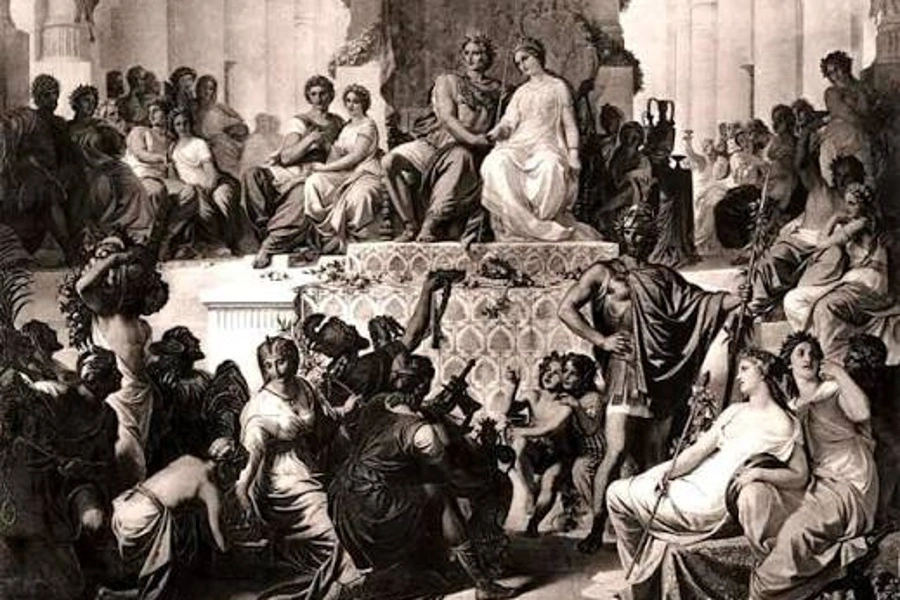
Alexander's sudden death in Babylon in 323 BC plunged his empire into chaos. The Wars of the Successors quickly shattered the unity he had created. The fate of Darius' surviving family became uncertain amid the political struggle. Stateira II, one of Darius' daughters, had married Alexander during the mass wedding ceremony at Susa in 324 BC. Her sister Drypetis simultaneously married Hephaestion, Alexander's close companion.
After Alexander died, his pregnant wife Roxana viewed Stateira as a potential rival because any child born to her could challenge the succession. According to Plutarch and Justin, Roxana secretly arranged for Stateira II to be murdered shortly after Alexander's death. Drypetis may also have been killed at the same time, although the surviving sources are less certain.
The young prince Ochus disappears from the historical record, and historians remain uncertain about his ultimate fate. Sisygambis, devastated by Alexander's death, reportedly refused food and died soon afterward. Ancient writers portrayed her death as a final demonstration of her loyalty toward the Macedonian king who had become like a son. Thus, despite Alexander's efforts to preserve the Persian royal household, the violent struggle among his successors ultimately brought an end to the remaining members of Darius' immediate family.
The Historical Legacy of Alexander's Treatment of Darius' Family
The capture of Darius' family after Issus remains one of antiquity's most remarkable examples of mercy following a decisive military victory. Alexander the Great certainly understood its political advantages, but ancient historians consistently describe genuine respect in his behavior. His kindness toward Sisygambis, his refusal to humiliate the Persian women, and his decision to honor Darius after his death all contributed to his image as a ruler capable of transcending cultural boundaries.
These actions also help explain why many Persian nobles eventually accepted Alexander's authority. Rather than destroying the Achaemenid monarchy, he carefully positioned himself as its successor. Combined with victories at Issus and Gaugamela, both among the most decisive battles in history, this diplomatic approach transformed Alexander from the king of Macedon into the ruler of a vast multinational empire. It remains one of the strongest reasons he is consistently ranked among the greatest military commanders in history.
References
- Arrian, Anabasis of Alexander, Book II
- Plutarch, Life of Alexander, Chapters 21-30
- Quintus Curtius Rufus (History of Alexander), Books III and X
- Diodorus Siculus, Bibliotheca Historica, Book XVII
- Justin. Epitome of Pompeius Trogus, Books XI-XIII.
- Bosworth, A. B. Conquest and Empire: The Reign of Alexander the Great. Cambridge University Press.
- Robin Lane Fox. Alexander the Great. Penguin Books.
- Pierre Briant. Alexander the Great and His Empire. Princeton University Press.
- Peter Green. Alexander of Macedon, 356-323 BC. University of California Press.
Books and Memorables
This article may contain affiliate links. If you purchase through these links, I may earn a small commission at no extra cost to you.



Related Articles


Frequently Asked Questions
Who was captured from Darius III's family after the Battle of Issus?
After the Battle of Issus in 333 BC, Alexander the Great captured Darius III's mother Sisygambis, his wife Stateira I, his daughters Stateira II and Drypetis, and his young son Ochus. Darius himself escaped the battlefield, leaving his family in the royal camp, where they were taken into Alexander's protection.
Why did Alexander the Great spare Darius' family after Issus?
Alexander spared Darius' family because he wanted to present himself as the legitimate successor to the Persian throne rather than a foreign conqueror. He also believed that royal women should be treated with dignity. By protecting the Persian royal family, he gained respect from many Persian nobles and strengthened his political position.
How did Alexander the Great treat Darius' mother Sisygambis?
Alexander treated Sisygambis with exceptional respect, allowing her to retain her royal status and household. Ancient sources describe how he comforted her after Issus and even forgave her when she mistakenly bowed to Hephaestion instead of him. Over time, Sisygambis came to regard Alexander almost as an adopted son.
Did Alexander the Great ever marry a daughter of Darius III?
Yes. In 324 BC, Alexander married Stateira II, one of Darius III's daughters, during the mass wedding ceremony at Susa. The marriage formed part of Alexander's broader policy of uniting the Macedonian and Persian elites under a single empire.
What happened to Darius III's family after Alexander the Great died?
After Alexander died in 323 BC, Darius' family lost his protection. Stateira II was reportedly murdered on the orders of Roxana, while Drypetis may also have been killed. Sisygambis is said to have died shortly afterward from grief. The fate of Darius' young son Ochus remains uncertain because he disappears from the historical record.
What does Alexander's treatment of Darius' family reveal about his leadership?
Alexander's treatment of Darius' family demonstrates that he combined military success with diplomacy and political foresight. His decision to protect the Persian royal family helped legitimize his rule over the Achaemenid Empire, while also earning him a reputation among ancient historians for magnanimity, self-restraint, and respect toward defeated royalty.
Add Comment